
Solitaire ring
The solitaire ring: one stone, nothing else
A solitaire ring is the purest form of an engagement ring: a single diamond, held in a simple setting, nothing else. No halo, no side stones, no distraction, just the stone and the person wearing it. That reduction is exactly what makes a solitaire timeless, it looks just as good in ten years as it did on the day of the proposal.
At émin we build your solitaire around the exact stone you choose: carat, cut and setting height are matched to each other, so the diamond sits well and catches the light as well as it can. Whether classic round, an elongated oval or crisp princess-cut corners, the setting stays quiet and the stone gets all the attention.
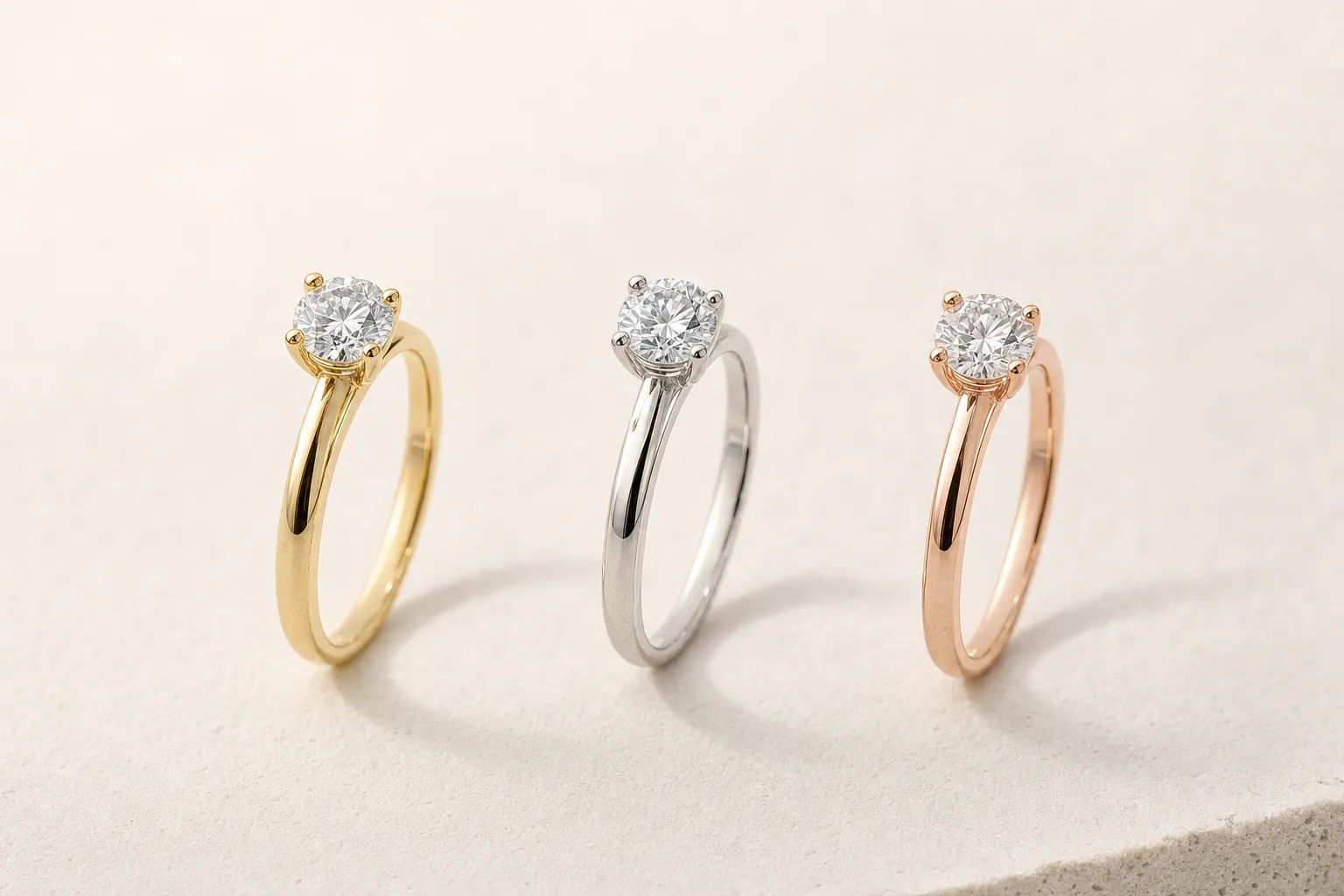
Why couples choose a solitaire
Timeless, not trendy
A solitaire doesn't follow trends. The shape has stayed the same for decades because it simply works, whether your style is classic or modern.
The stone takes centre stage
Without side stones or a halo, nothing distracts from the main stone. The size, colour and sparkle of the diamond stay right where they belong.
Freely combinable
Every cut, every metal, every setting height works with a solitaire. Despite its simple form, the ring stays entirely yours.
The setting matters more than you'd think
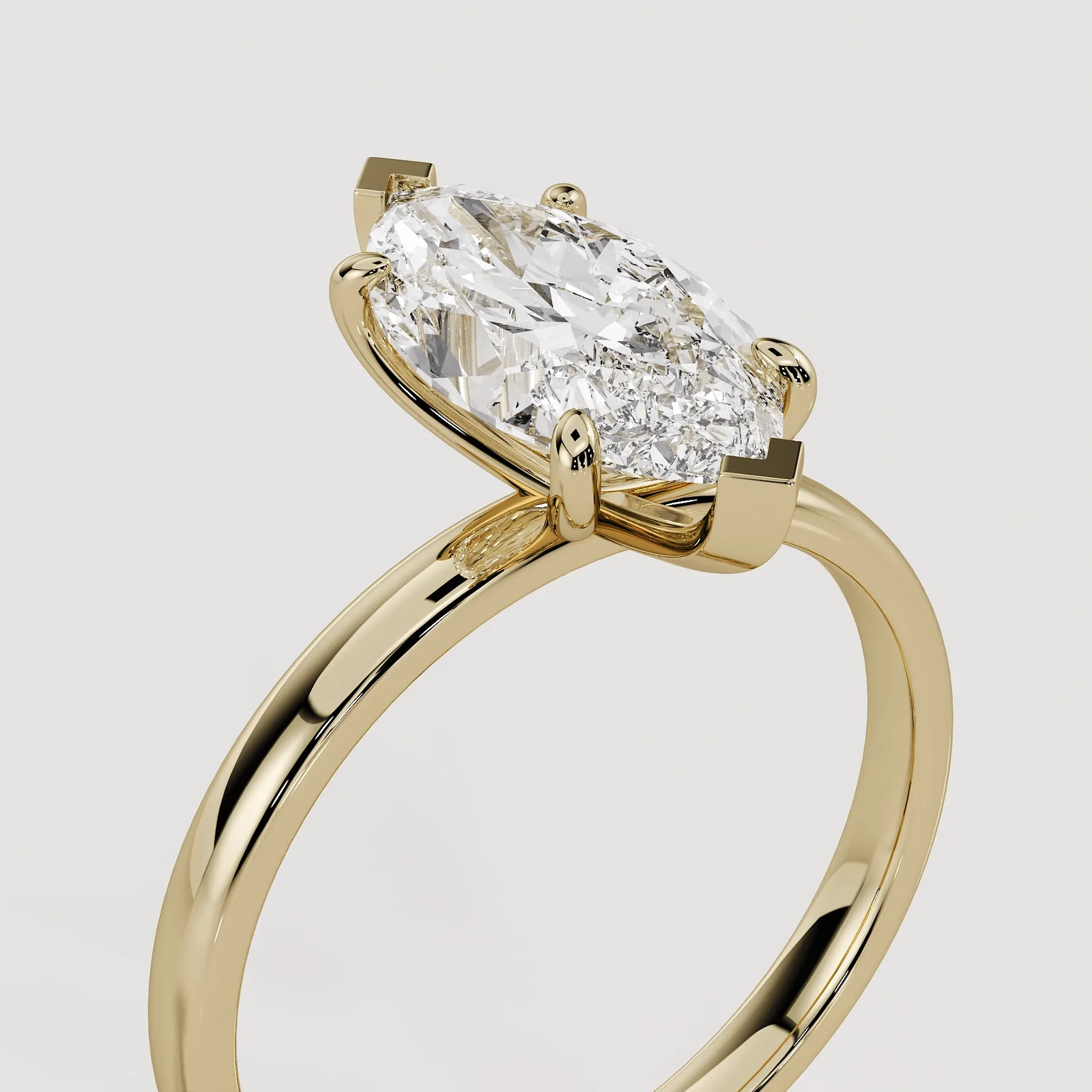
A solitaire looks simple, but the setting still needs real care. A classic prong setting holds the stone with four or six slender metal claws, letting as much light as possible into the diamond so it reads larger than it is. A bezel setting wraps the stone fully in metal instead, protecting the edges better and reading more modern, at the cost of a little light entering the stone.
We show you both versions on the real stone during your consultation, so you can see how the sparkle differs. Setting height matters too: too high and the ring catches on sweaters, too low and the stone reads less present. We work that out together, matched to your hand and your everyday life, before any work begins.
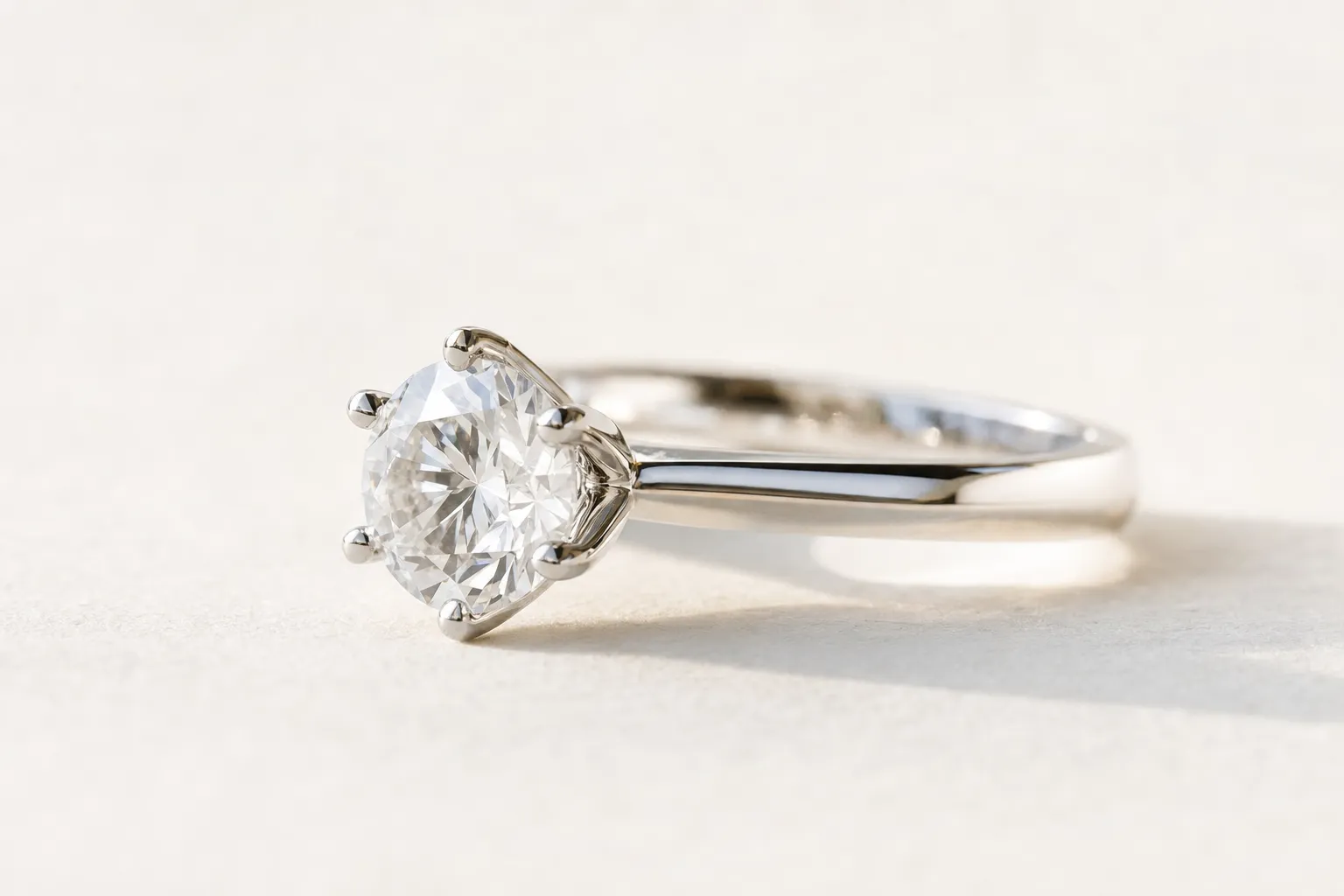
Our solitaire models
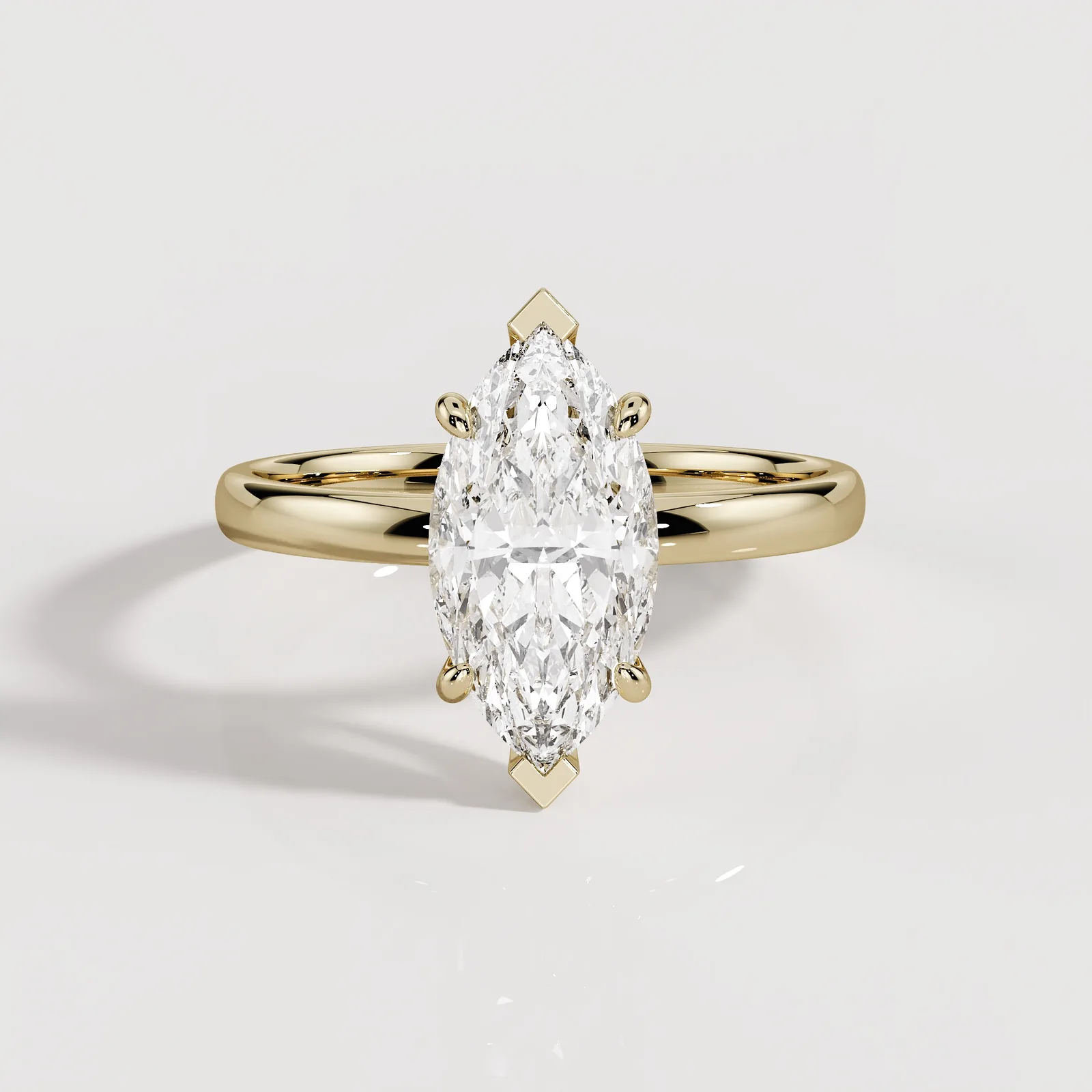
Four models from our collection, each adjustable in metal, stone size and cut.
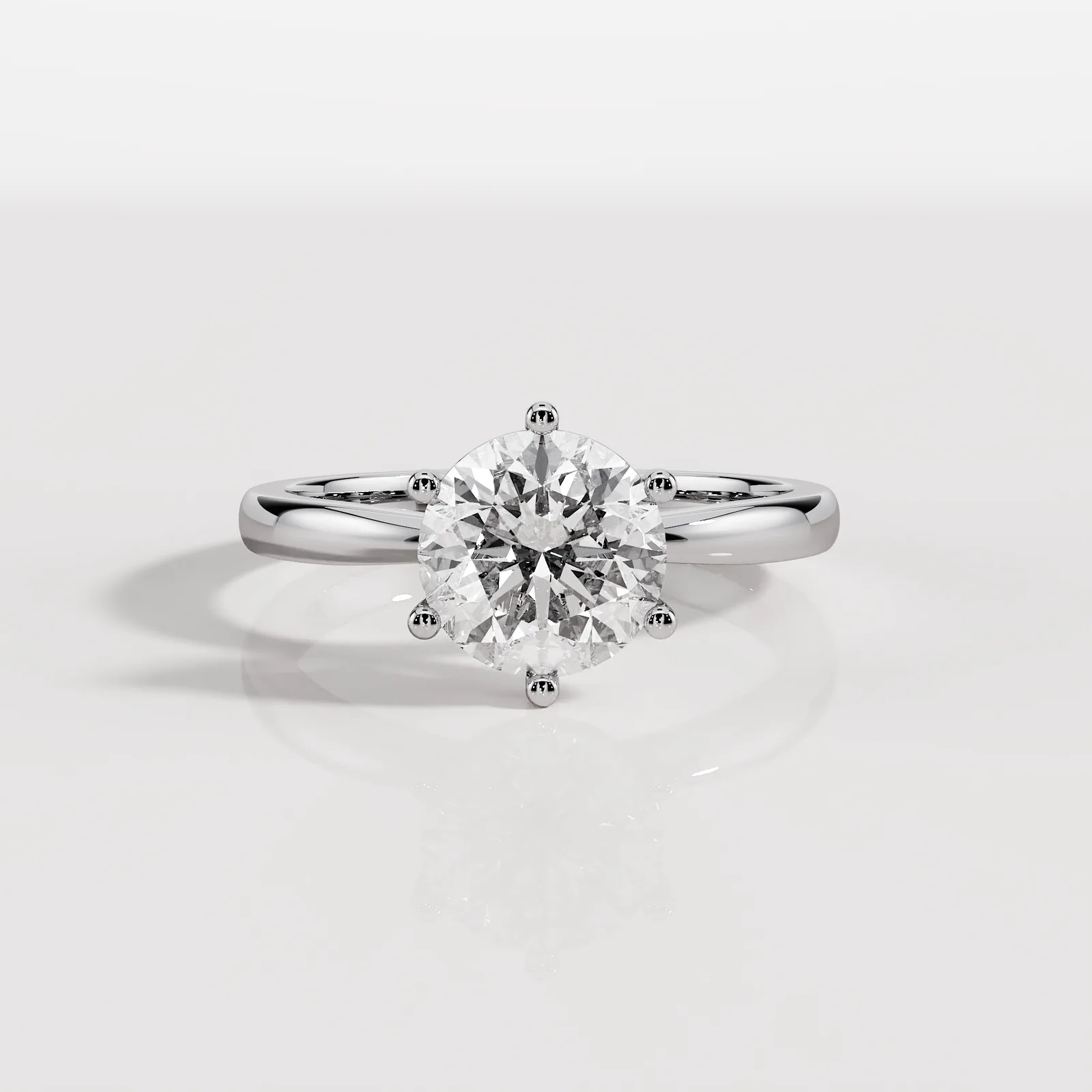
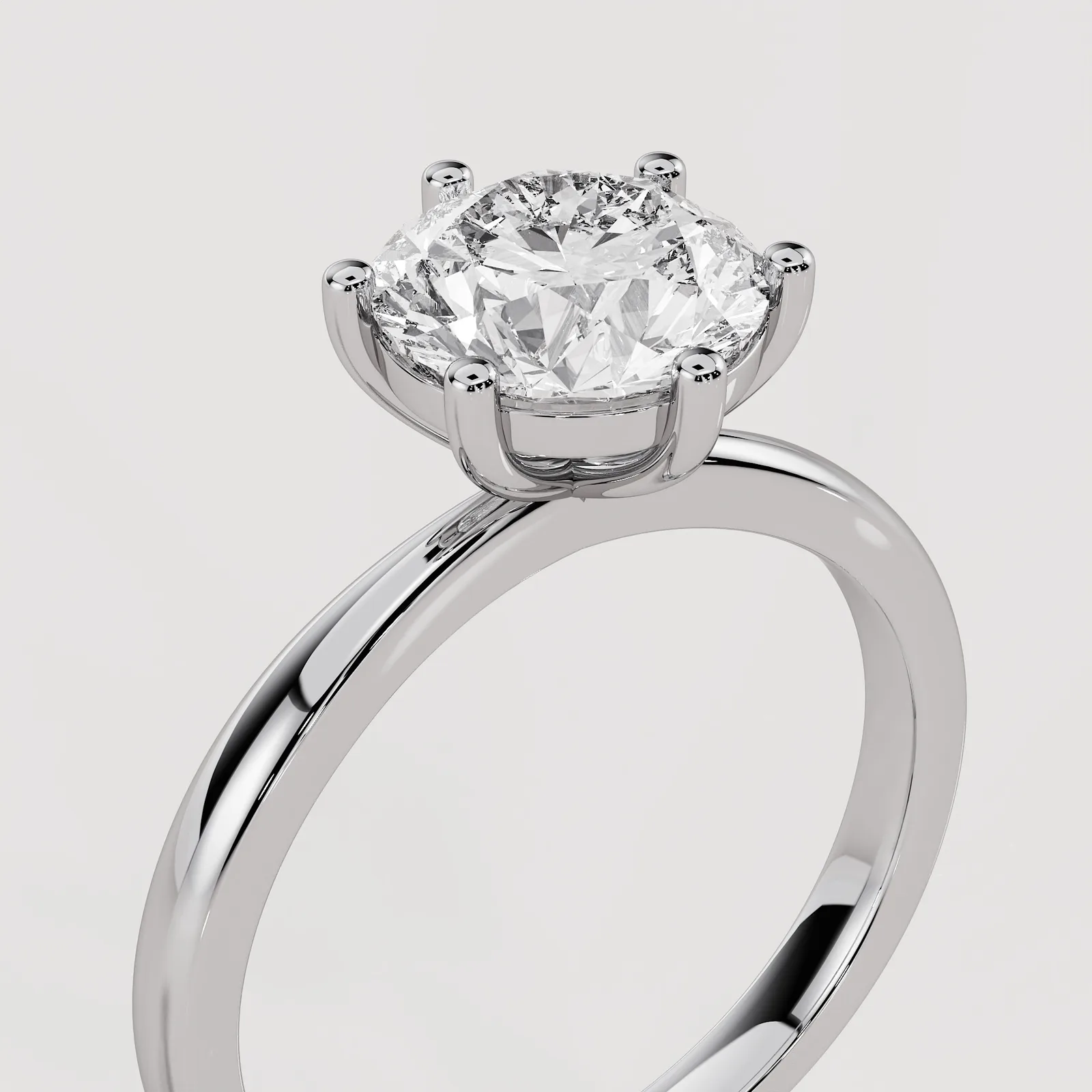
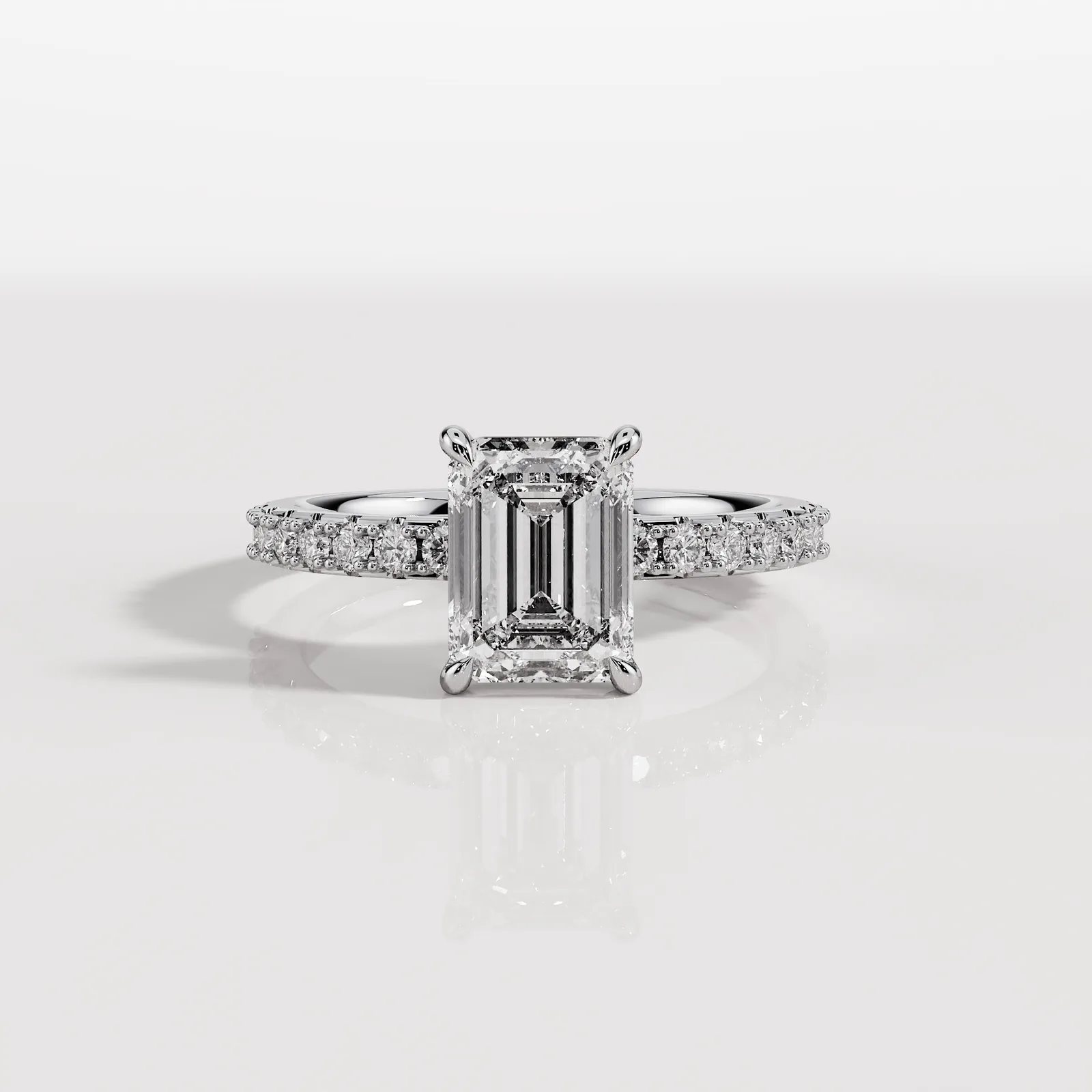
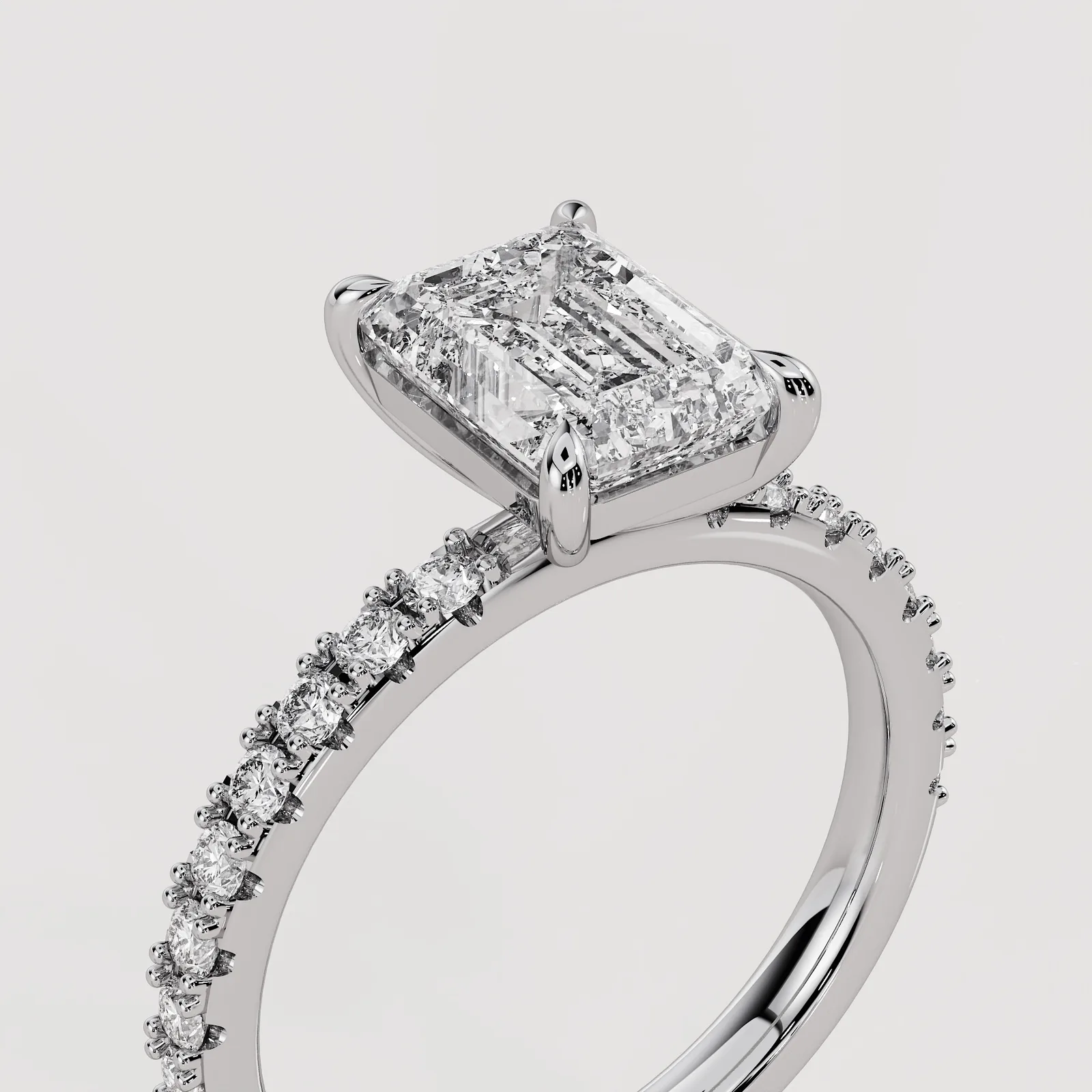
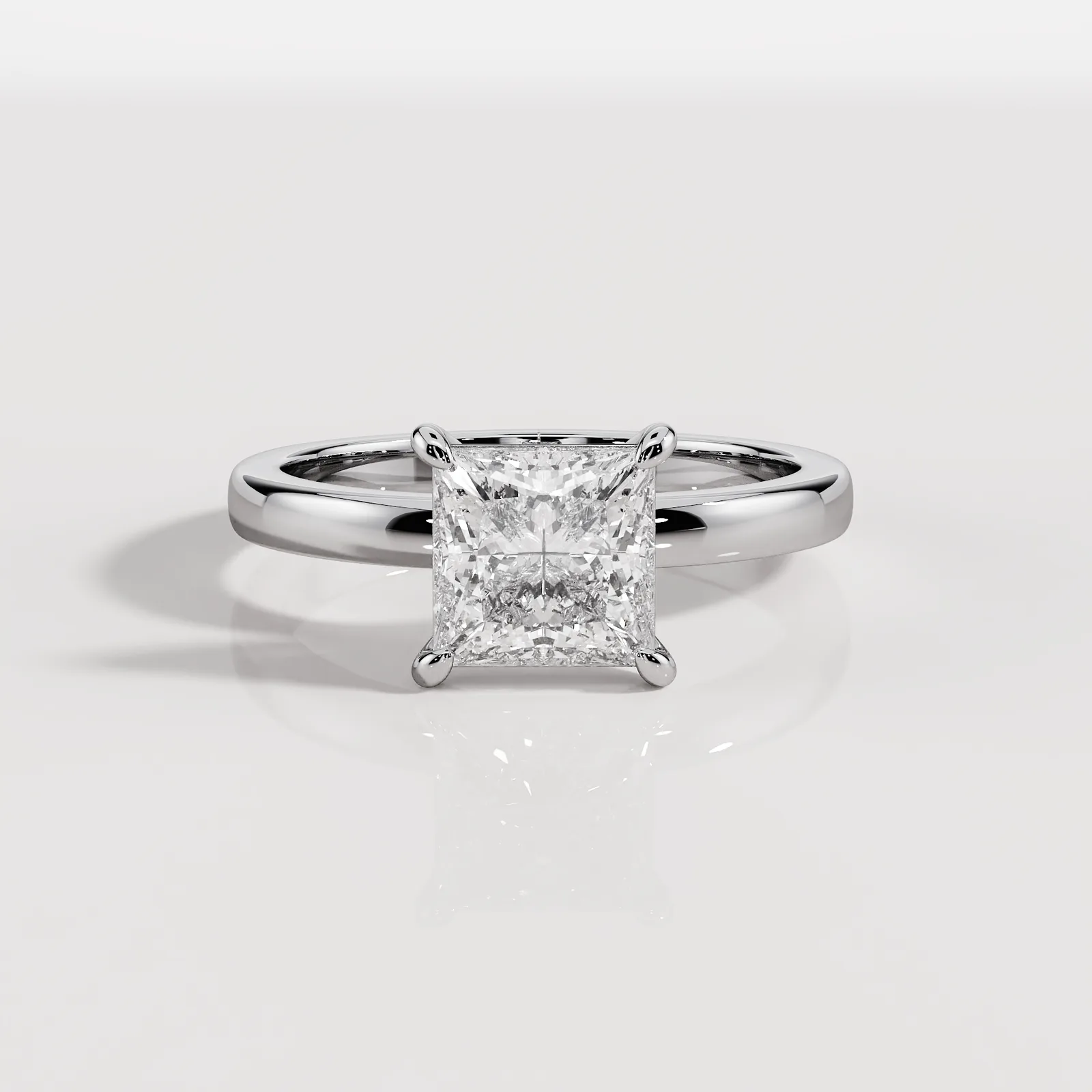
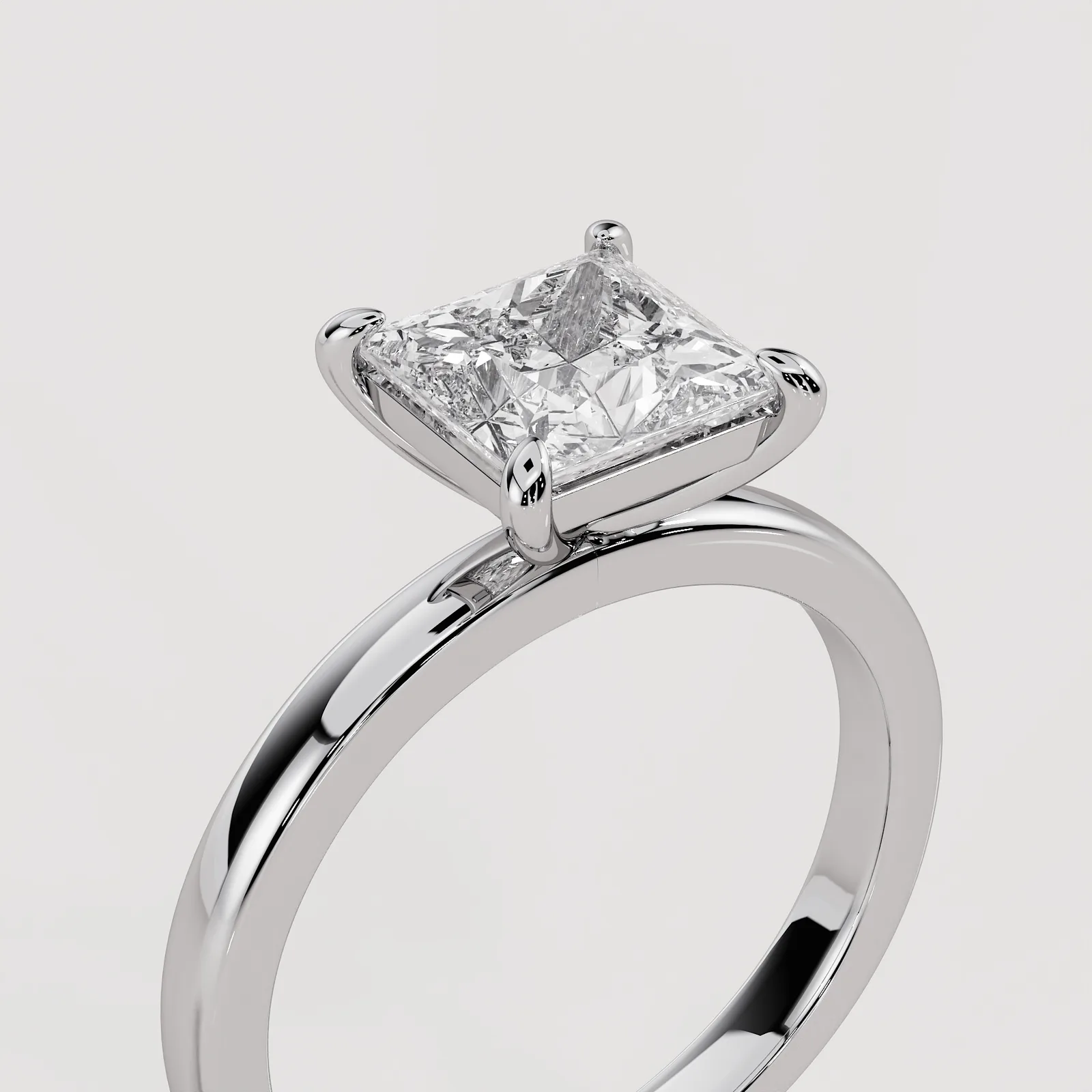
Which cut suits your solitaire?
The round brilliant is the most common choice for a solitaire, because it sparkles the strongest and a prong setting lets the most light into the stone. If you want something more individual, an elongated oval, a clean emerald cut or an angular marquise work just as well, each shape noticeably changes the ring's character.
Not sure which shape suits you? We show you several cuts side by side on your own hand in the atelier, so you see the difference directly instead of having to imagine it.
How your solitaire ring comes together
Four steps from the first conversation to handover.
Consultation
We listen: budget, style, occasion. You get an honest sense of what's possible within your range.
Choose the stone
You compare several diamonds side by side, under a loupe and in daylight, with a certificate for each stone.
Set the mount
We decide together on a prong or bezel setting, metal and shank, matched to the stone and your hand.
Making and handover
Your ring is made to order. We usually plan two to four weeks until handover at the atelier.
What a solitaire ring costs
Guide prices so you can get your bearings in advance. We always discuss the exact price in person.
Price depends on the work involved. We calculate openly, no surprises.
Guide prices, as of 2026, incl. VAT. The exact price depends on stone, metal and work.
Frequently asked questions
Yes, with a larger stone a solitaire shows its true size the most honestly, without a halo artificially inflating the impression. A simple setting also puts a bigger share of your budget directly into the stone rather than extra side stones, which pays off especially from around one carat upward.
Plain doesn't mean unnoticeable. A well-chosen diamond in a cleanly crafted setting stands out just as much as a ring with lots of detail, often more, because the eye isn't pulled anywhere else. Many couples find exactly this clarity to be the real statement.
Yes, every one of our solitaire models comes in yellow gold, white gold, rose gold or platinum. The metal colour changes the ring's character noticeably, yellow gold reads warm and classic, white gold and platinum cool and modern, rose gold romantic. We show you all the options on your own finger at the atelier.
That depends on budget, finger size and personal taste, there's no fixed rule. As a rough guide, 0.5 to 1 carat looks balanced on most hands, from about 1.5 carats the stone becomes a clear focal point. We show you several sizes directly on your finger during the consultation, so you get a real feel for it.
A complete solitaire with a 1 carat lab-grown diamond in a classic prong setting, in 18k gold or platinum, also available in 14k gold on request, starts at CHF 1'900. A larger stone or a higher quality costs more, that depends heavily on the diamond's size and clarity. We break down every item openly before you decide, with no hidden extras.
Yes, a cleanly made prong setting with four or six claws holds the stone reliably, even in everyday life. We check the prongs at every atelier visit, which we recommend about once a year. If you want extra protection for the edges, a bezel setting is the more robust alternative.
With some settings that's possible afterwards, with others it isn't, it depends on the design. If you want to keep that option open, tell us during the consultation so we can plan the setting accordingly. Usually it's simpler and cheaper to build that in from the first design instead.
Quick enquiry
Ready for your solitaire ring?
Send us a short message about the stone and budget you have in mind. We reply within one working day with a suggested appointment.