
Carat guide
Diamond engagement rings: which carat is right for you?
A diamond engagement ring is the classic choice, which is exactly why it pays to understand carat before you decide. Carat measures only the weight of a stone, not automatically its size or how it looks on your finger. At émin we show you six sizes from 0.5 to 3 carats side by side, so you see what you're actually getting, not just a number on paper.
Lab-grown or natural, round brilliant or another shape: we advise you honestly on every size, calculate the price openly, and show you where a bigger carat is worth it and where a better setting does more than an extra tenth of a carat.
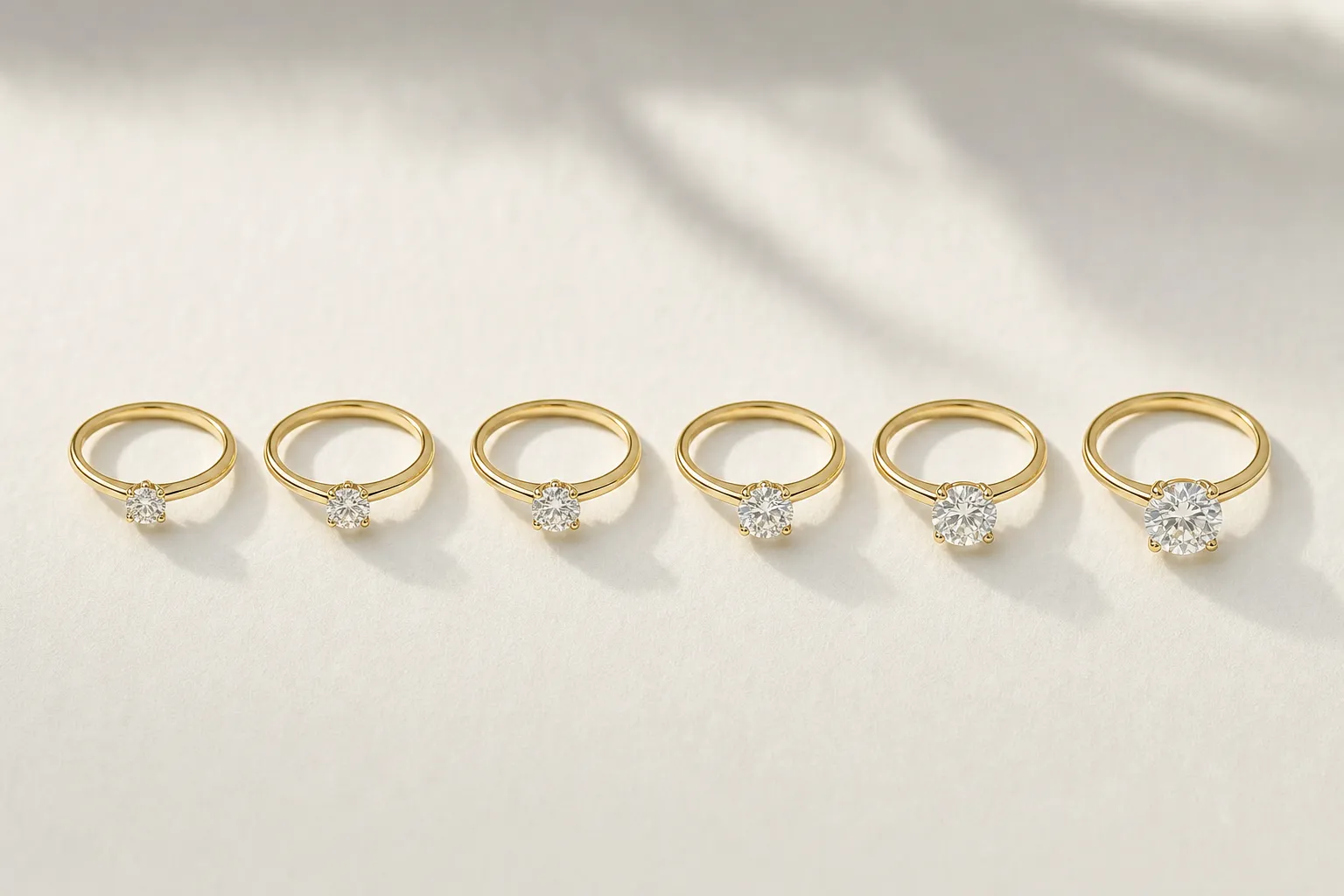
Why émin gives you honest advice on carat
Carat explained clearly
We show you the difference between weight, diameter and how a stone looks on your hand using real diamonds, not just a chart. That way you know exactly what you're paying for.
Lab-grown and natural side by side
For every carat size we show you a lab-grown and a natural diamond next to each other, with certificate and price. The decision is yours, not ours.
The setting matters too
A bigger stone often needs a different setting. We advise you honestly on whether a higher carat is worth it, or whether a finer prong setting makes the stone look larger.
What carat really tells you about your ring
Carat is a unit of weight, one carat equals 0.2 grams. Two diamonds of the same weight can still look different in size, depending on how deep or shallow they're cut. A well-cut stone shows more fire and often looks larger than a stone of the same weight with poorer proportions.
Carat is only one of the 4Cs, alongside colour, clarity and cut. A large stone with an average cut can look duller than a smaller, well-cut diamond. We explain the 4Cs calmly and in plain language, so you know where a bigger budget actually pays off.
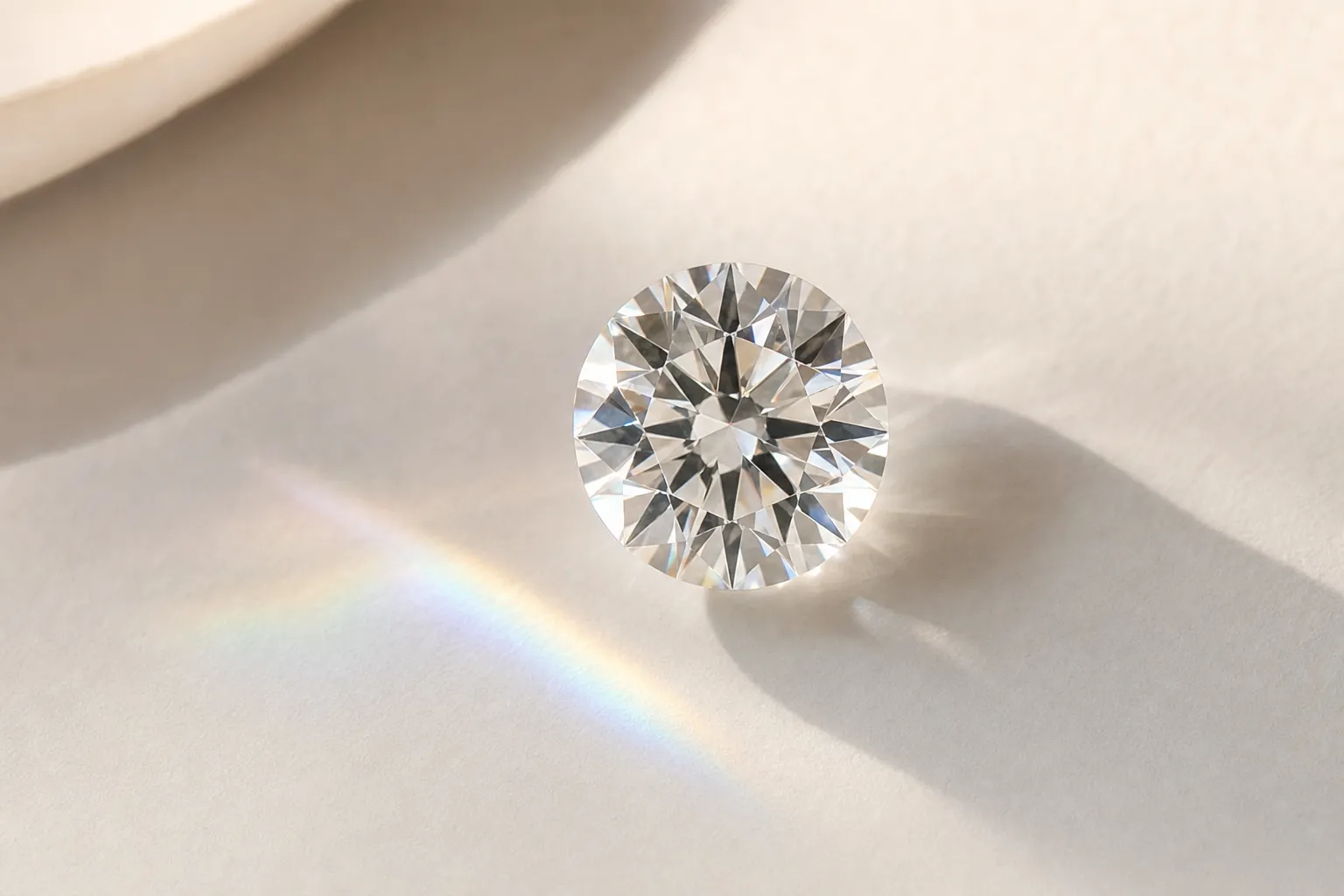
Carat compared: size, look, price level
Guide values for a round brilliant cut. Other shapes often look larger or smaller at the same carat weight.
| Carat | Diameter (round brilliant) | Look on the hand | Price level | Lab-grown vs. natural |
|---|---|---|---|---|
| 0.5 ct | approx. 5.1 mm | Delicate, everyday-friendly, noticeable only on close look | Entry level | Difference noticeable but moderate |
| 0.7 ct | approx. 5.7 mm | Clearly visible, already elegant, still everyday-friendly | Mid | Difference becomes clearer |
| 1.0 ct | approx. 6.4 mm | Classic size, clearly reads as an engagement ring | Upper mid | Clear difference, often decisive |
| 1.5 ct | approx. 7.4 mm | Prominent, draws attention, needs a solid setting | High | Large difference |
| 2.0 ct | approx. 8.1 mm | Striking, statement-like, usually a sturdier band | Very high | Very large difference |
| 3.0 ct | approx. 9.3 mm | Very striking, rare for everyday wear, more for special occasions | Premium | Enormous difference, natural stones get very expensive |
Diameter applies to round brilliant cuts. Oval or cushion shapes often look larger at the same carat.
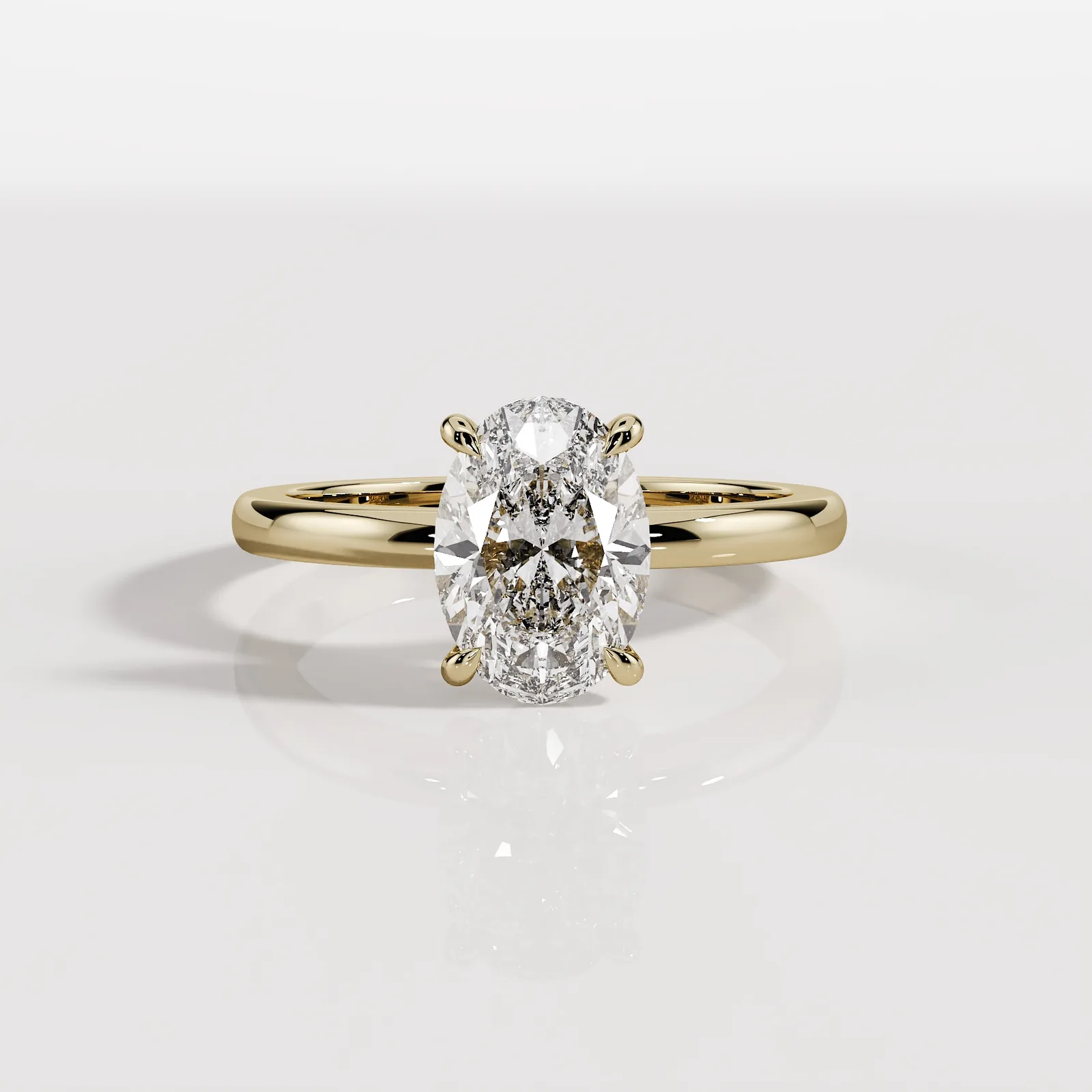
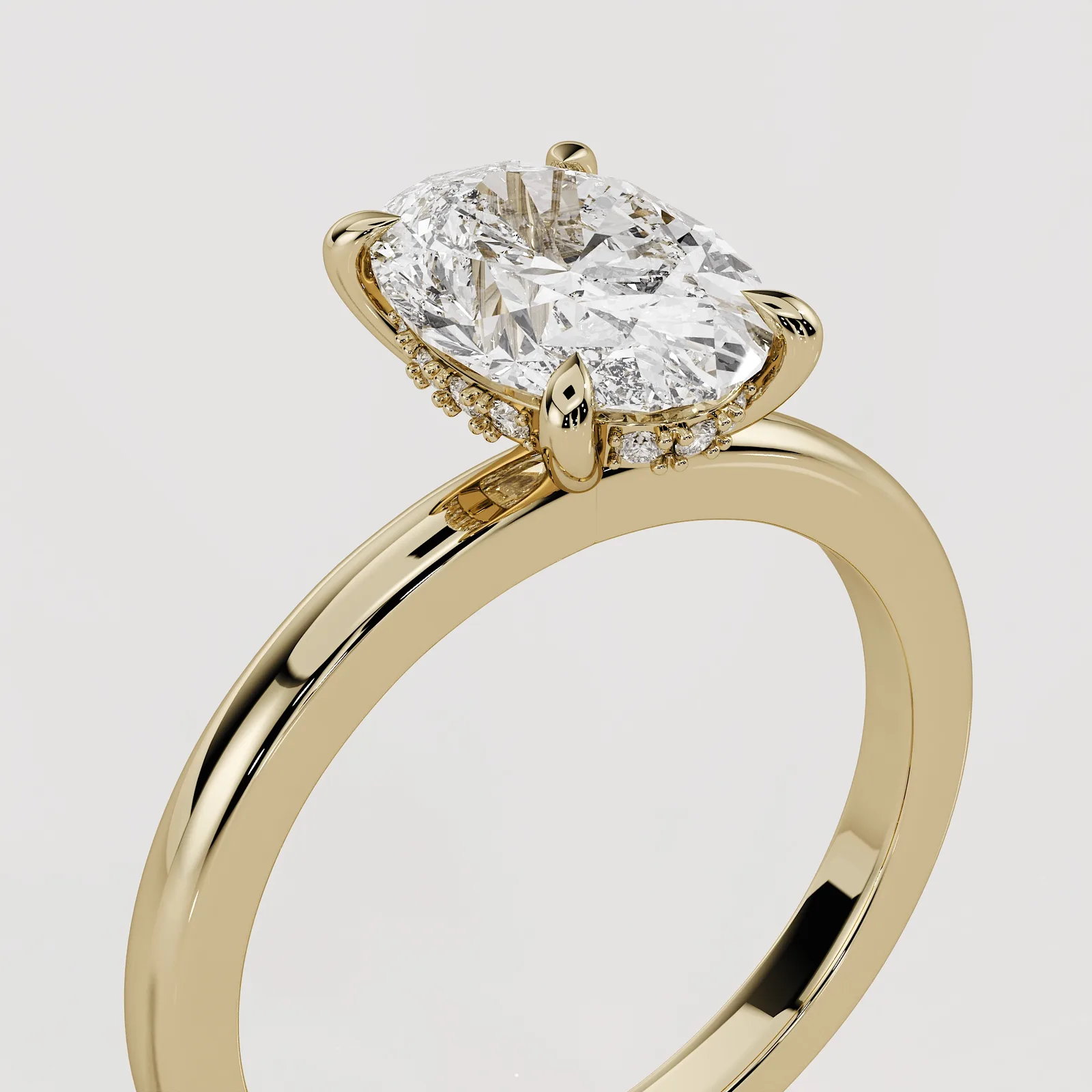
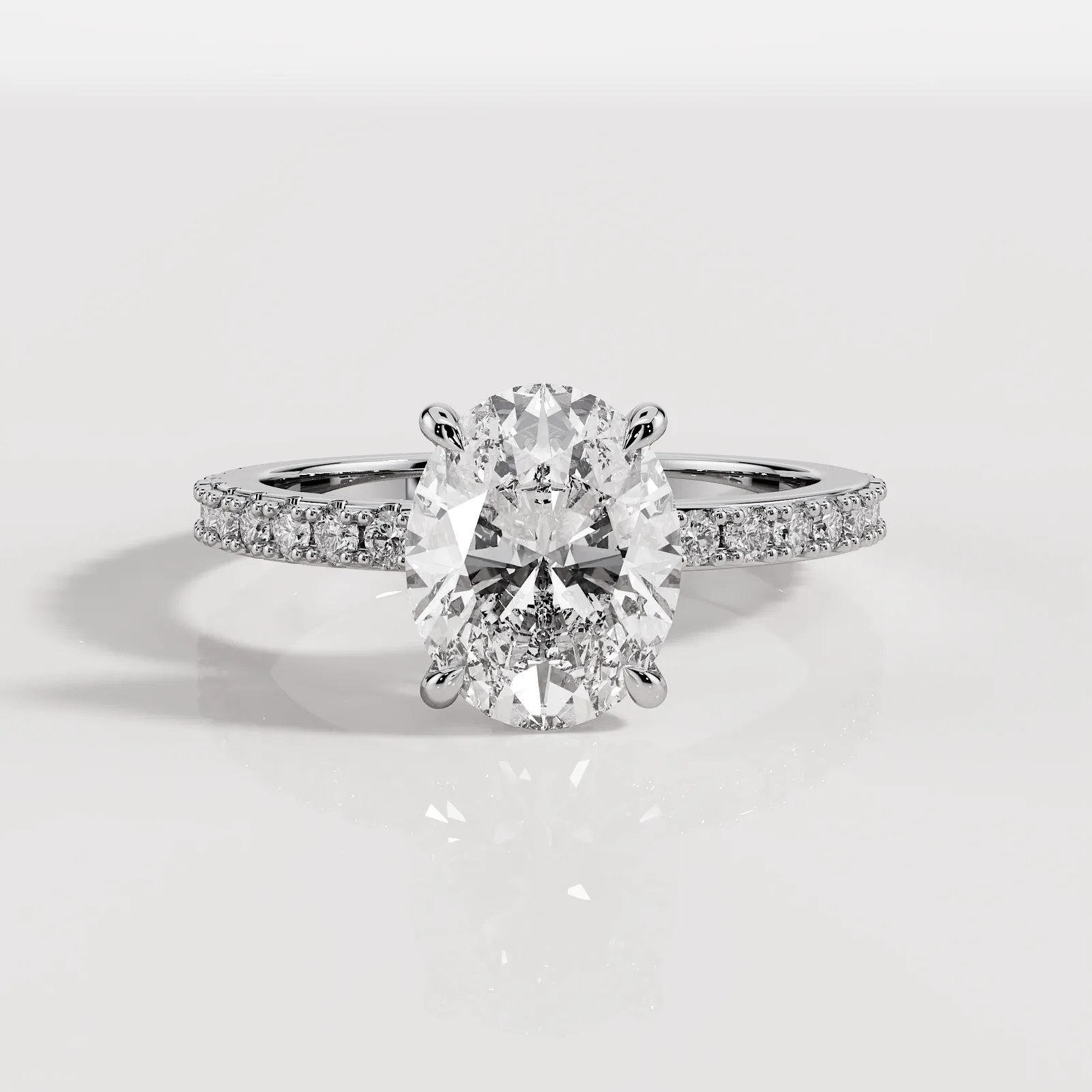
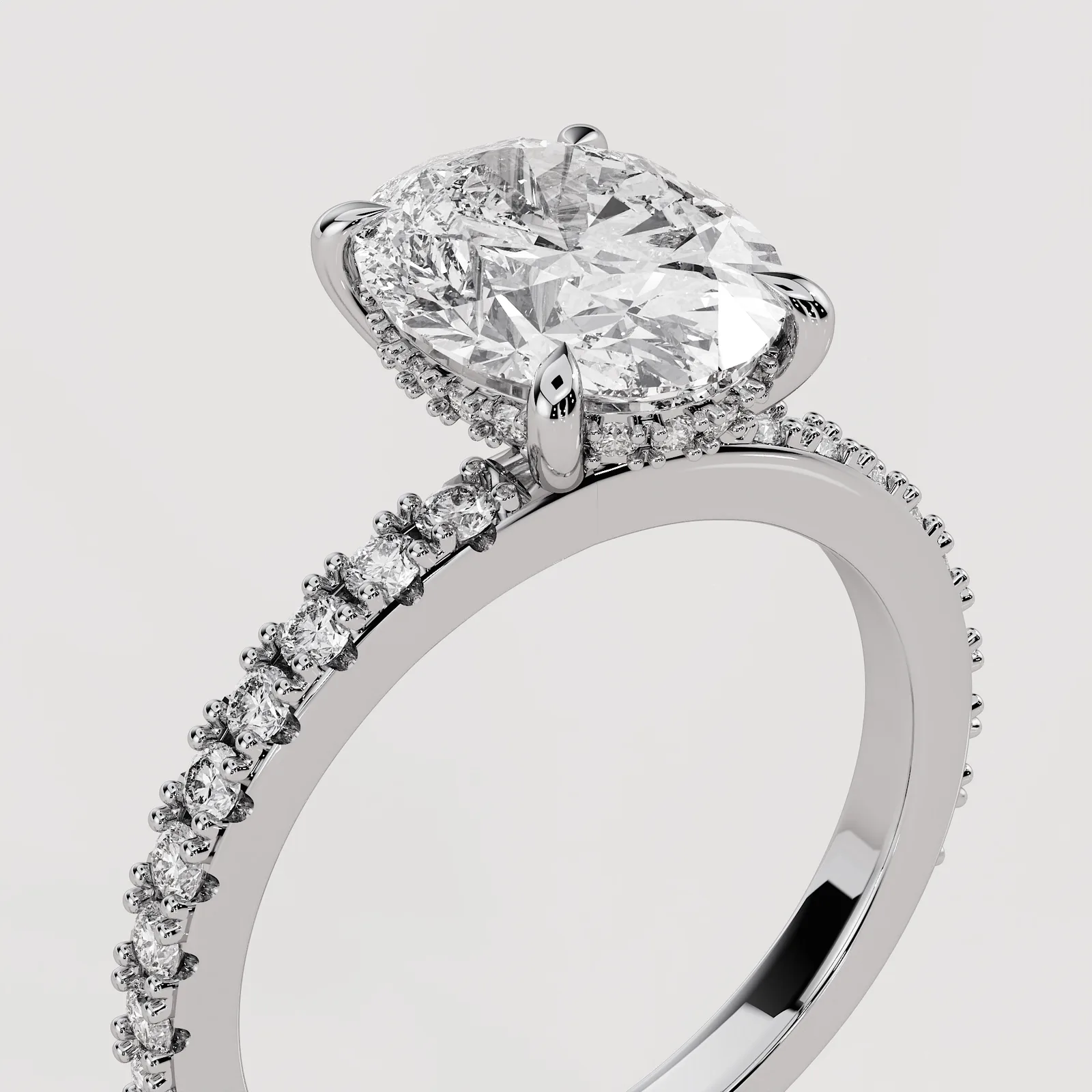
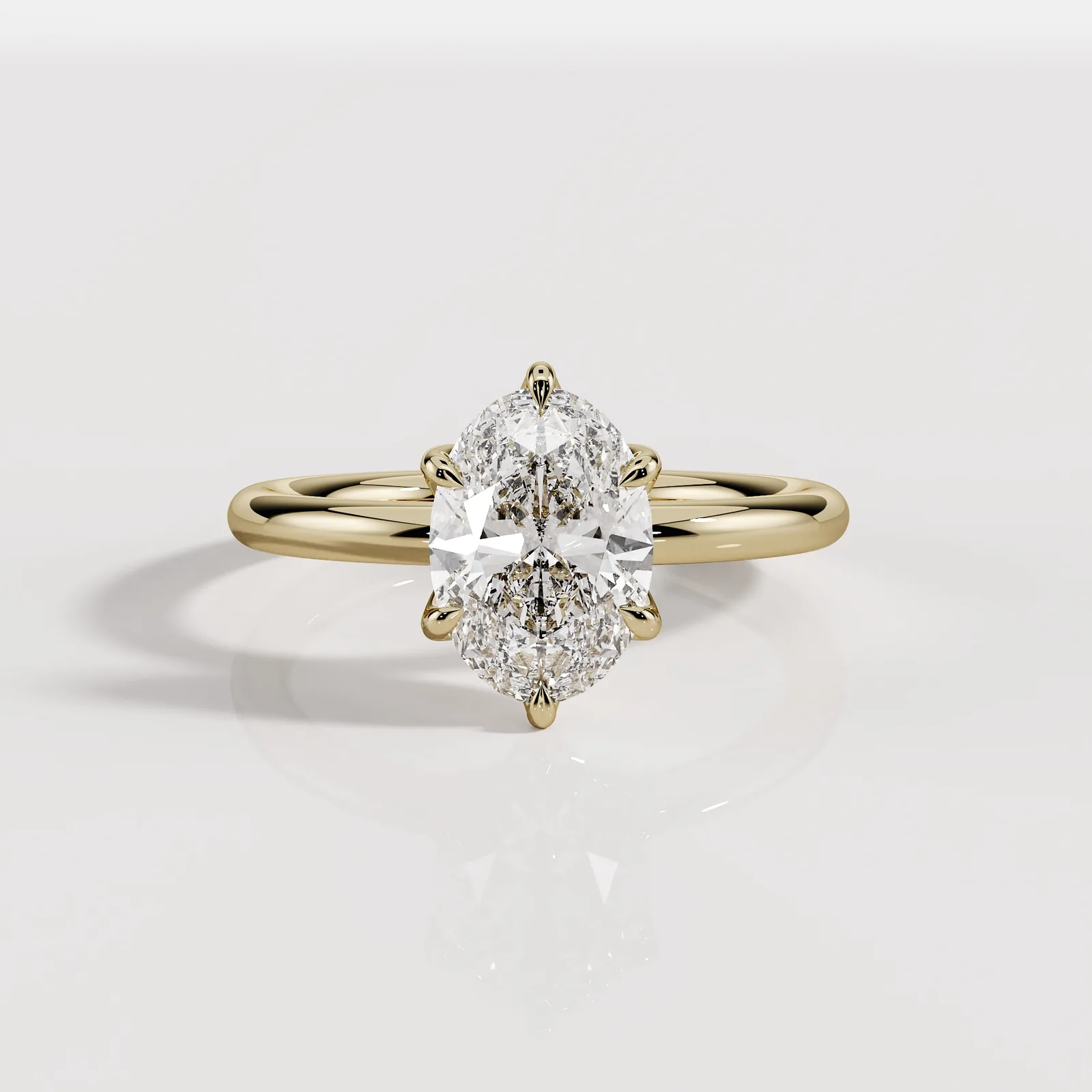
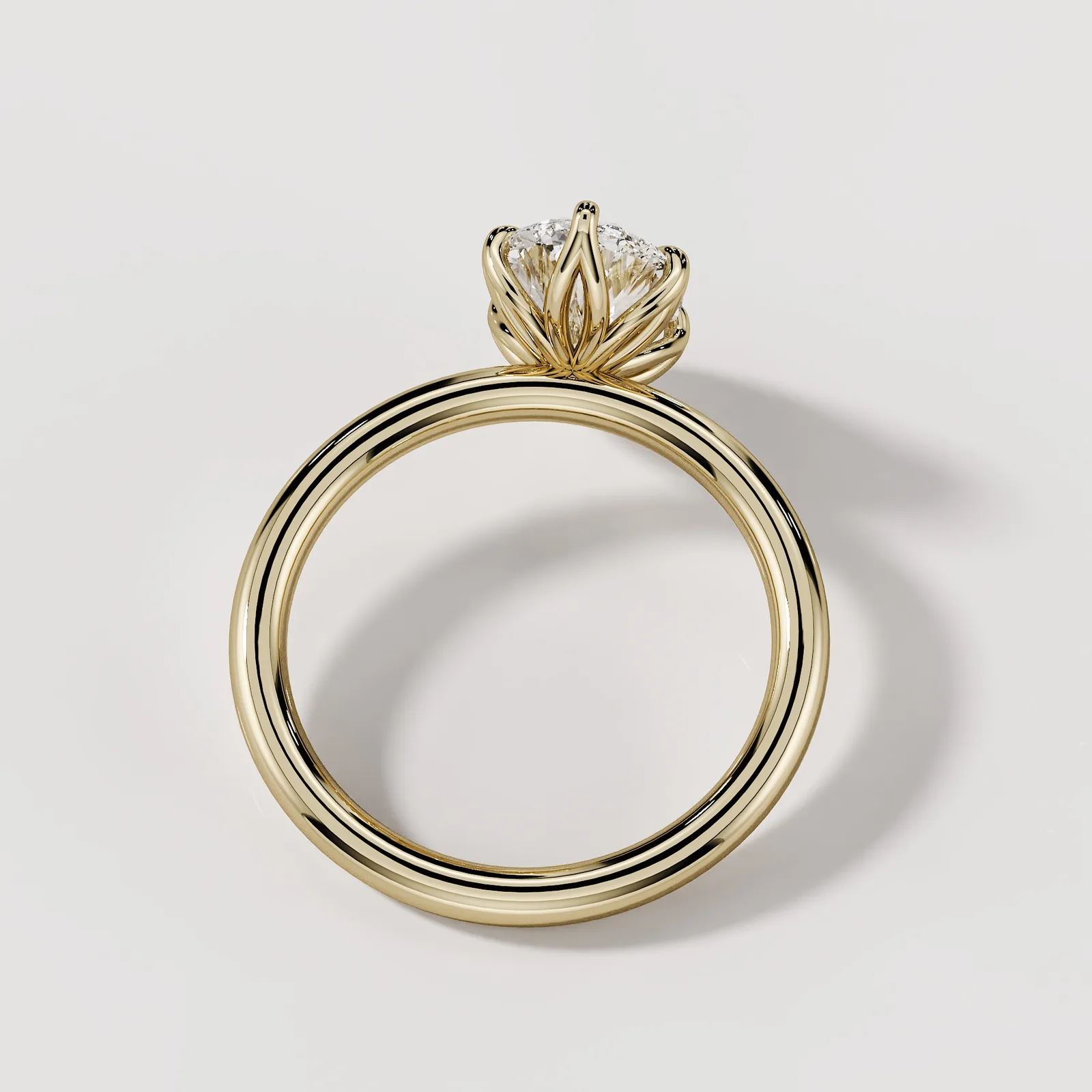
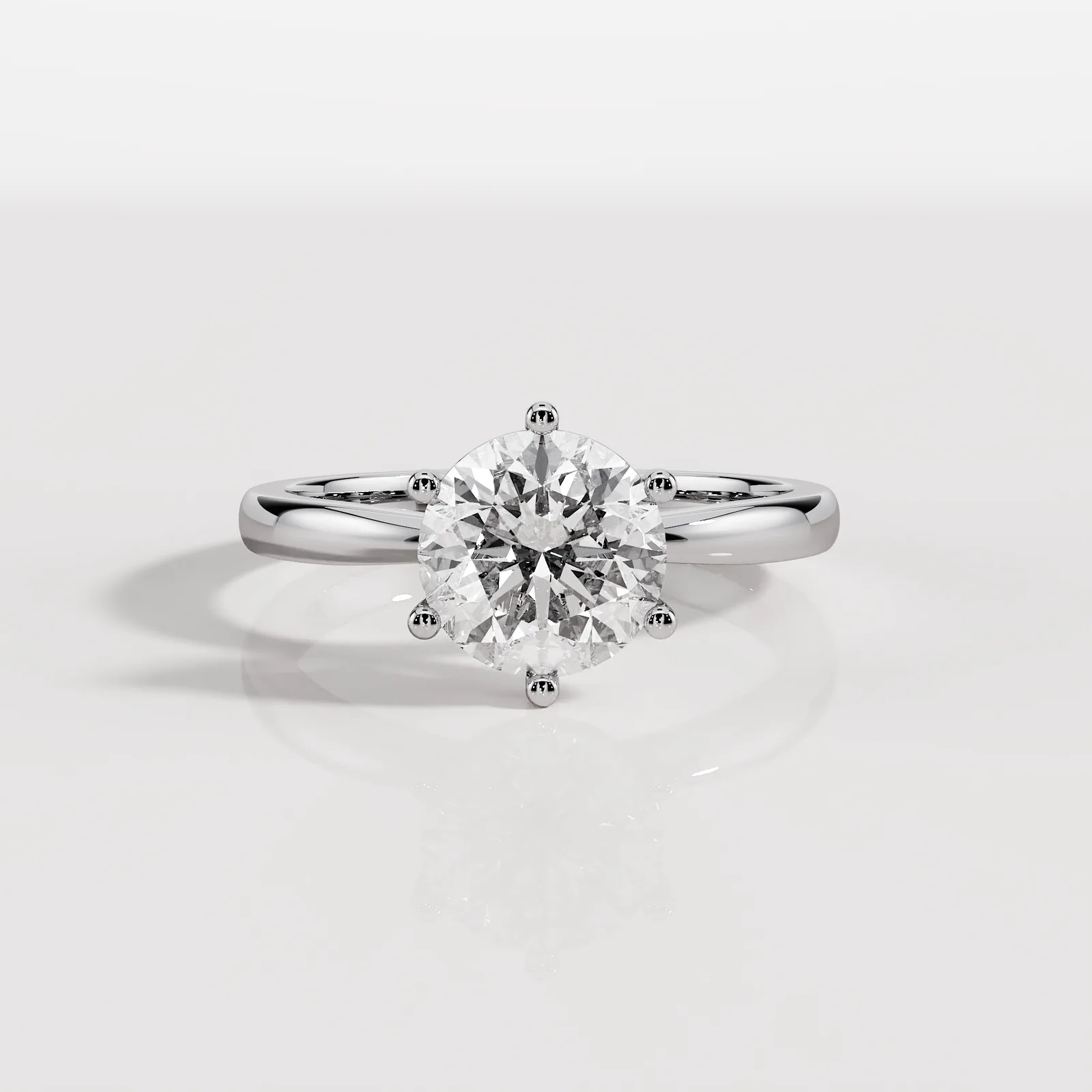
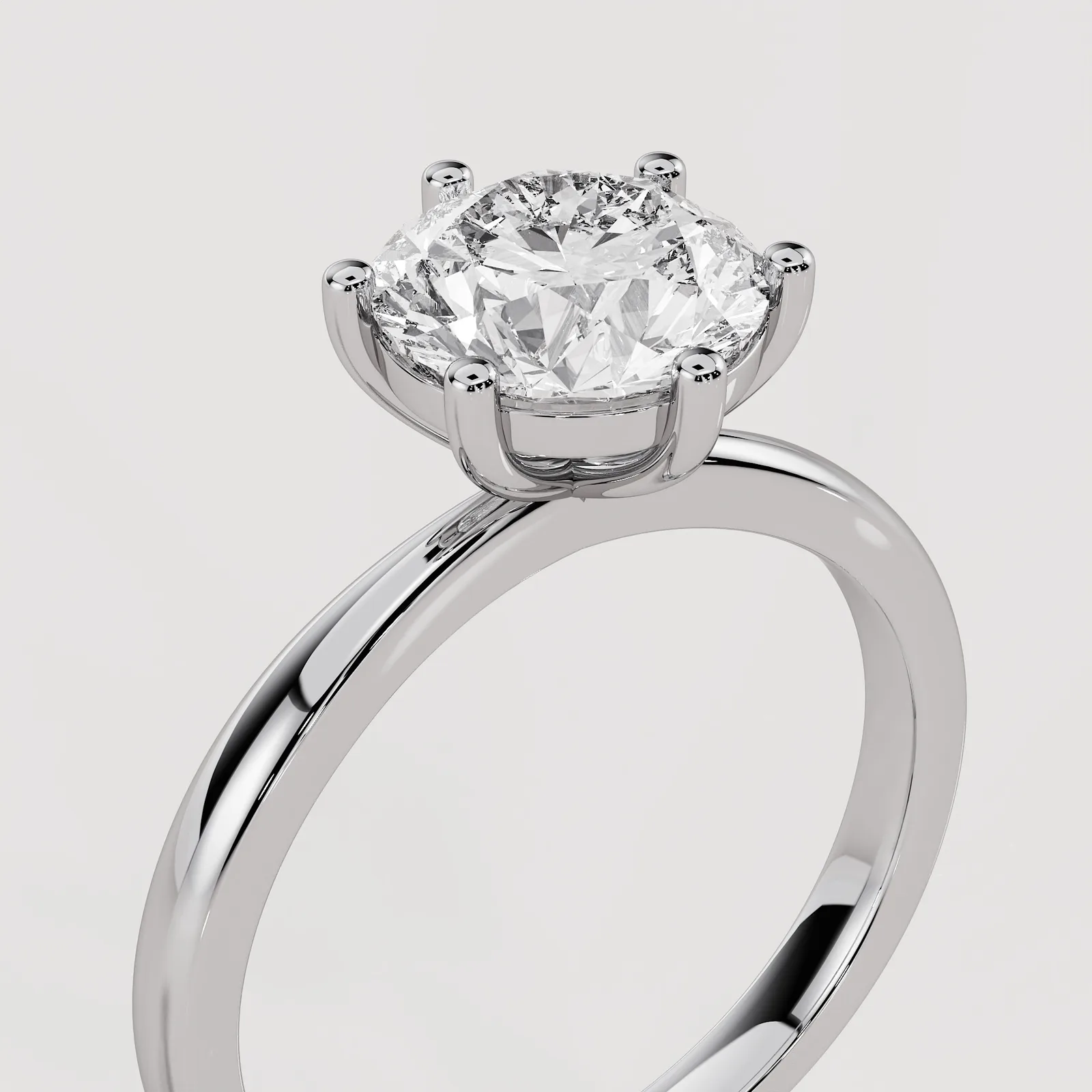
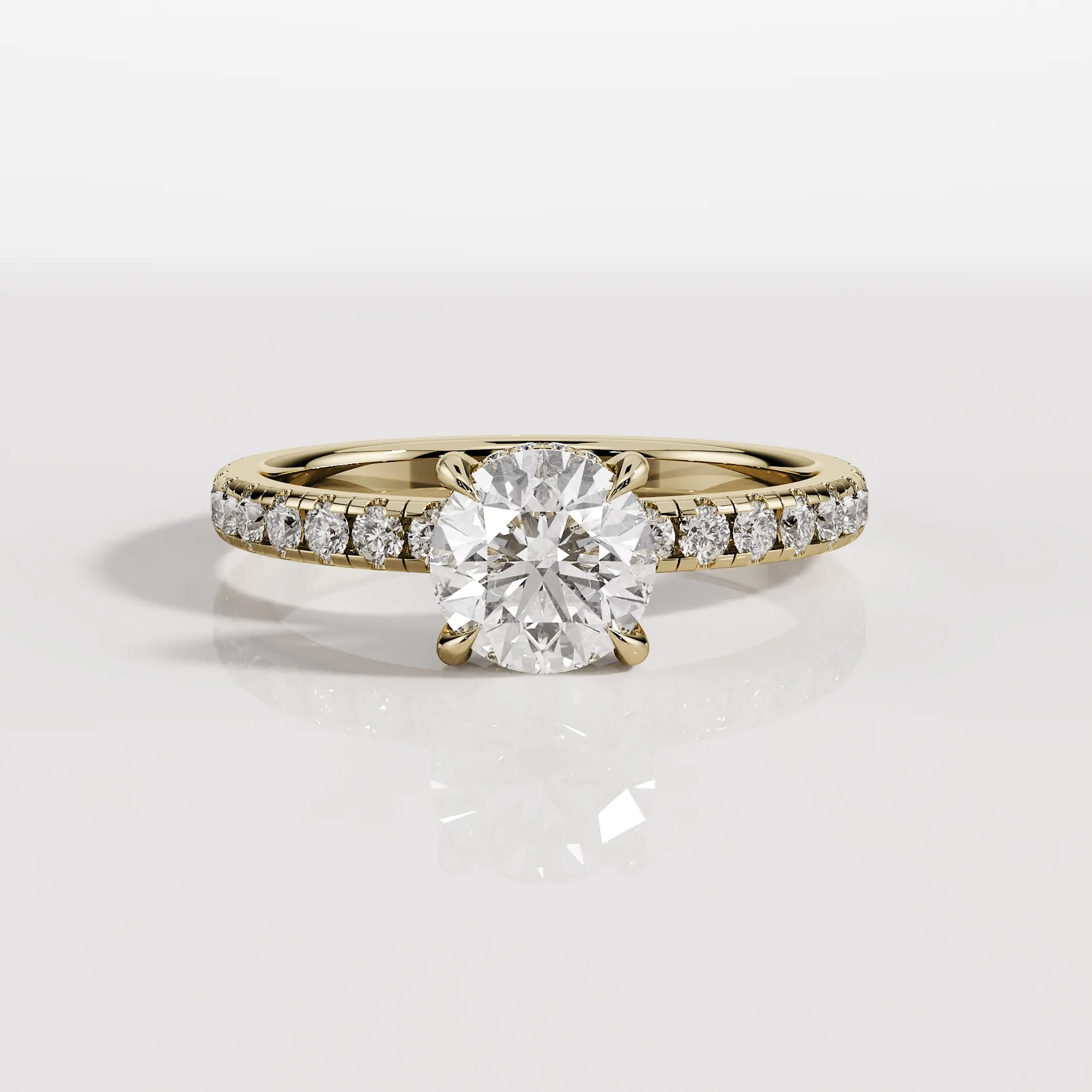
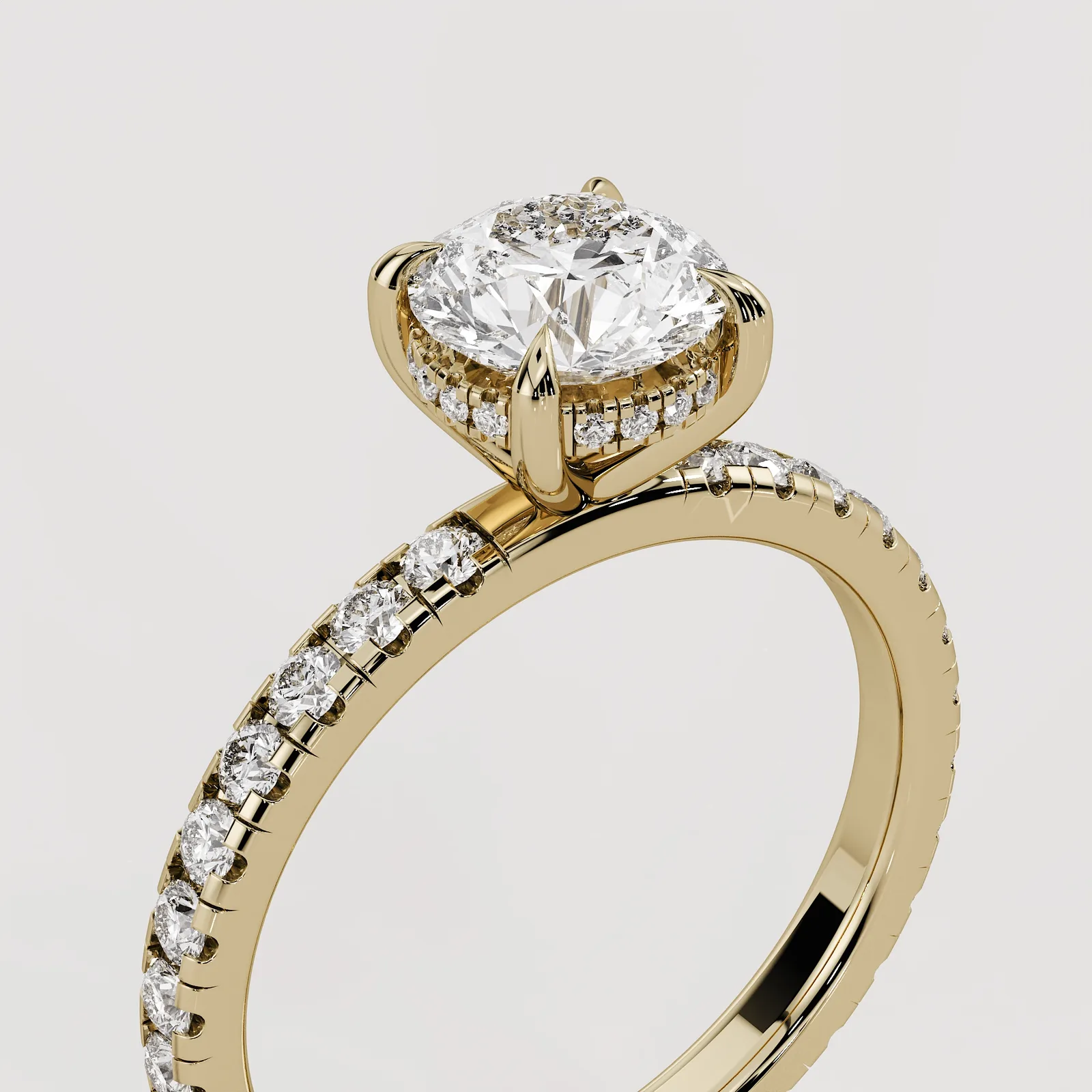
Six settings for your diamond
Whatever carat you choose, the setting shapes the look at least as much. A small selection from our collection, every model can be adjusted.
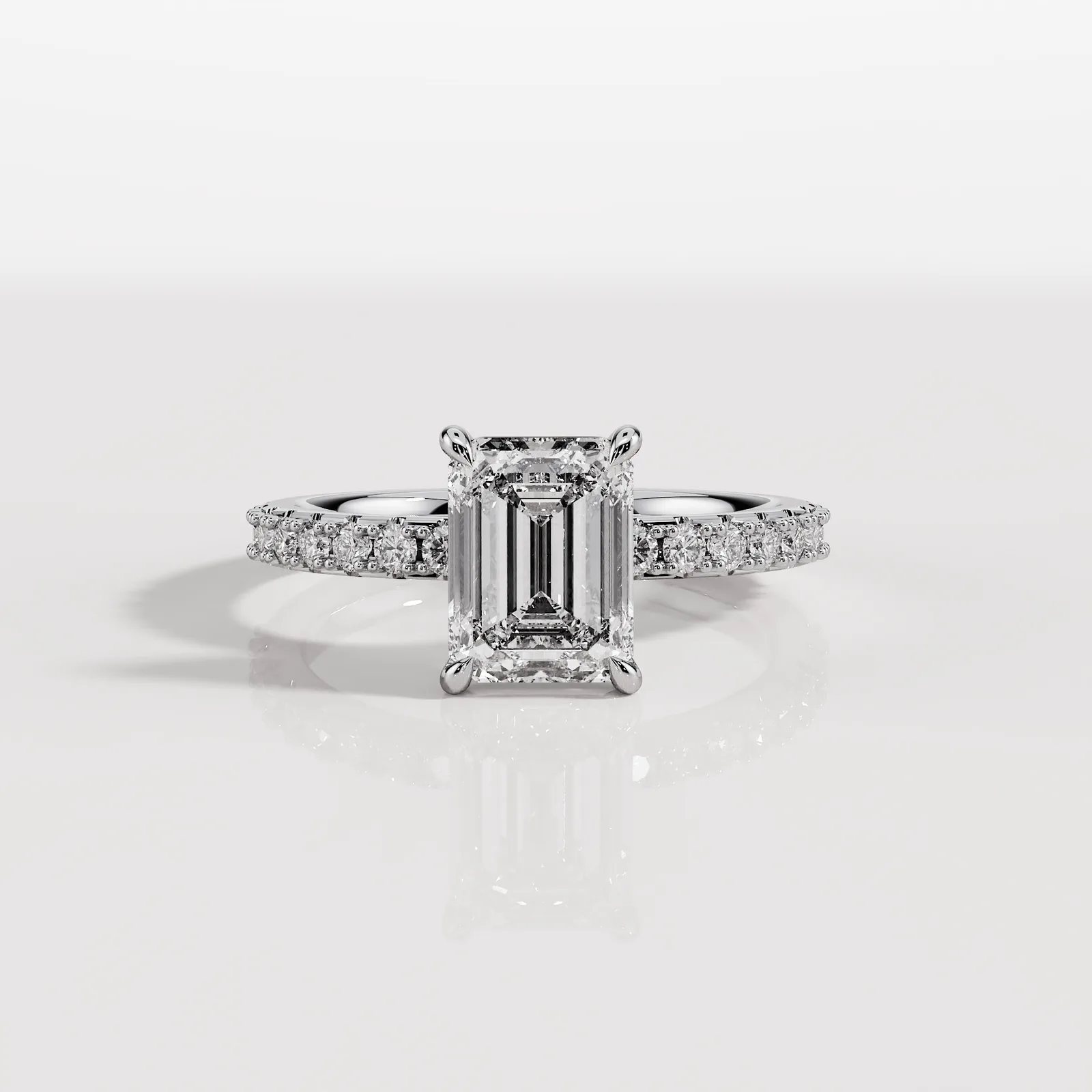
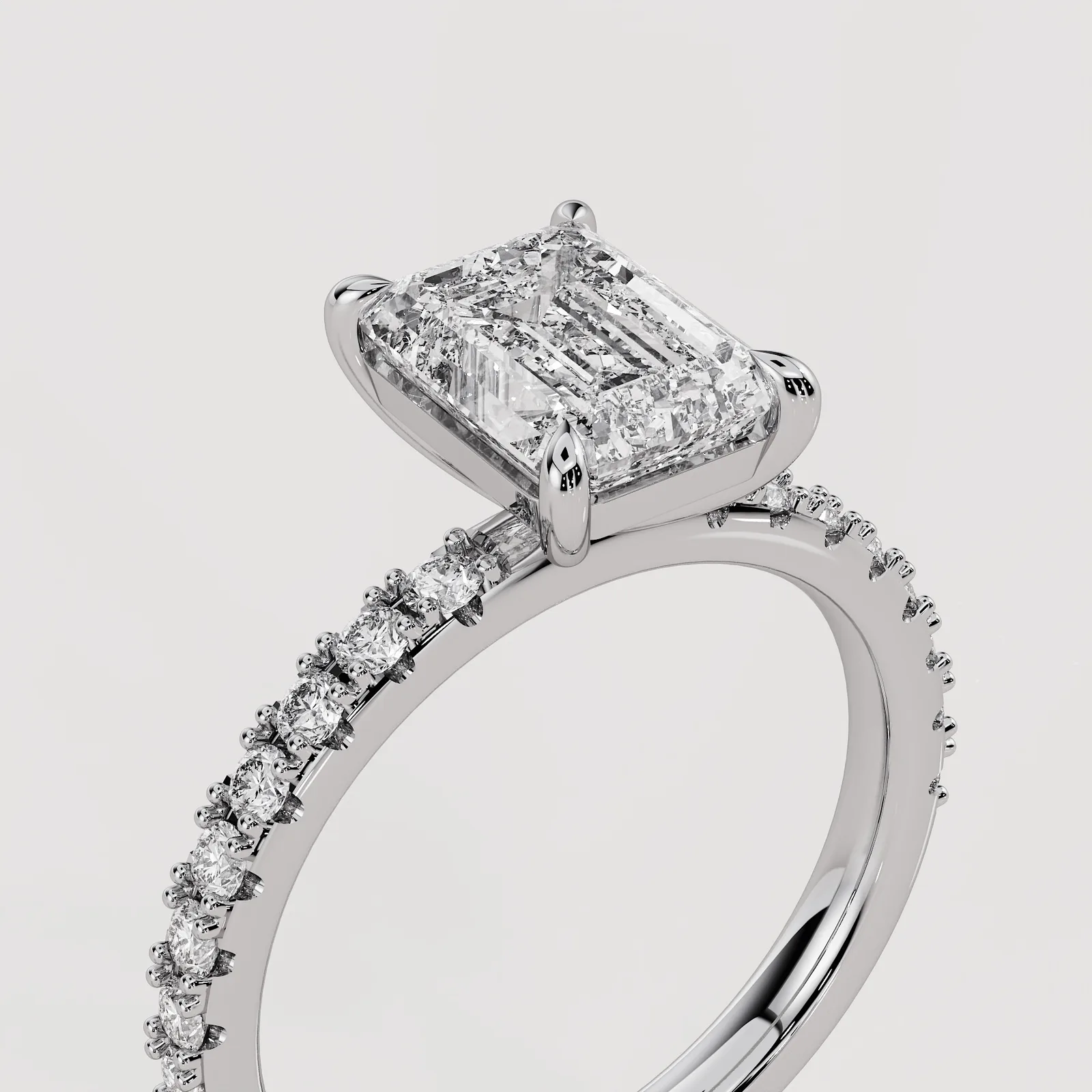
What a diamond costs by carat
Guide values to help you get your bearings. We calculate the exact figure for your chosen stone openly during your consultation.
Price depends on the work involved. We calculate openly, no surprises.
Guide prices, as of 2026, incl. VAT. The exact price depends on stone, metal and work.
Carat isn't everything
A bigger stone doesn't automatically look better. Cut, colour and clarity affect how a diamond sparkles in the light, often more than raw weight. We'll tell you honestly when a smaller carat with a better cut is the smarter choice, even if it means we earn less.
Frequently asked questions
That depends on your budget, hand size and personal taste, there's no fixed rule. Many couples lean toward 0.7 to 1 carat, because the stone is clearly visible yet still practical for everyday wear. During your consultation we show you several sizes on your hand, so you get a real feel before deciding.
Carat measures the diamond's weight, diameter describes how large the stone looks from above. Two stones of the same carat can look different in size depending on their cut proportions and shape. For a round brilliant, one carat measures roughly 6.4 millimetres across, other shapes vary from that.
That depends on your priorities. A slightly smaller stone with a very good cut often looks brighter and livelier than a larger stone with average proportions. We show you both options side by side so you can decide for yourself what matters more to you.
The price gap between lab-grown and natural widens as carat size increases, because large natural diamonds are noticeably rarer. For smaller stones the difference is more moderate. We calculate both options openly for your chosen carat so you can compare directly.
A 1-carat round brilliant diamond measures around 6.4 millimetres across and is considered a classic engagement ring size by many. On a slender hand it looks more prominent, on a larger hand a bit more subtle. The best way is to try different sizes at our atelier.
Once a stone is set, it usually can't simply be swapped without changing the setting. If you're unsure, mention it before ordering, we can advise you on settings that are easier to adjust or extend later on.
Price doesn't rise in a straight line with carat, it jumps noticeably around round numbers like 1 or 2 carats. Colour, clarity and cut also play a role. The table above gives you guide values for lab-grown and natural diamonds, we discuss the exact figure in person.
Quick enquiry
Ready to find your carat?
Send us a short message about the carat you have in mind and your budget. We'll show you matching stones and settings, in Zurich or by video.