
Lab-grown diamonds
Lab-grown diamonds, without the marketing fog
Lab-grown diamonds are diamonds. Not "almost", not "like real ones", but chemically, optically and physically the same mineral as a stone that grew deep inside the earth over millions of years. The only difference is where it formed: in a lab instead of the earth's mantle, in weeks instead of millennia.
At émin we show you both side by side, in daylight and with a certificate, and explain honestly where the real difference lies: in the price and in the origin, not in hardness or sparkle. What ends up in your ring is your decision, not ours.
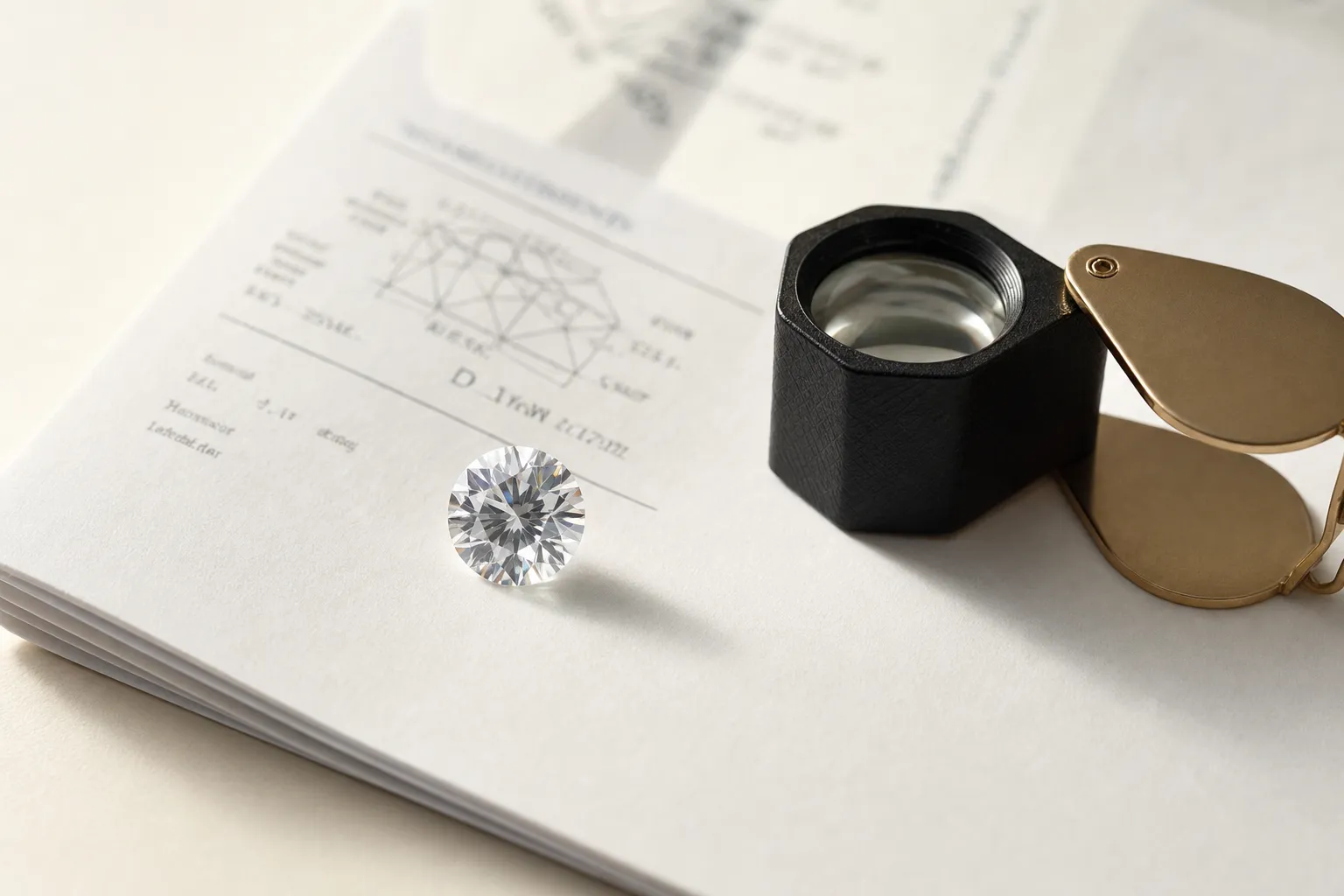
Why a lab-grown diamond can be a smart choice
Just as real
A lab-grown diamond is pure carbon, exactly like a natural diamond. Under a loupe, in sparkle and in hardness there is no visible difference, only a specialised lab can determine the origin with certainty.
More stone for your budget
Because production is faster and more predictable, a lab-grown diamond costs noticeably less than a natural one at the same size and clarity. That means more carat, or more budget left for the setting.
Certified like a natural diamond
Lab-grown diamonds are also graded by independent institutes such as IGI and sold with a certificate. You see exactly what you're buying, and can have it checked again at any time.
Available faster
Since production doesn't depend on the luck of geology, many sizes and shapes are ready sooner. Useful if your proposal date is already fixed.
How a lab-grown diamond is made
A lab-grown diamond forms in one of two ways. With HPHT (High Pressure High Temperature), a machine exposes a tiny diamond seed to extreme pressure and heat, similar to conditions deep inside the earth, until a larger crystal grows around it.
With CVD (Chemical Vapour Deposition), the diamond grows layer by layer from carbon gas in a chamber, controlled and without the huge pressure of HPHT. Both methods take weeks to a few months and produce rough stones that are then cut and certified just like any other diamond.
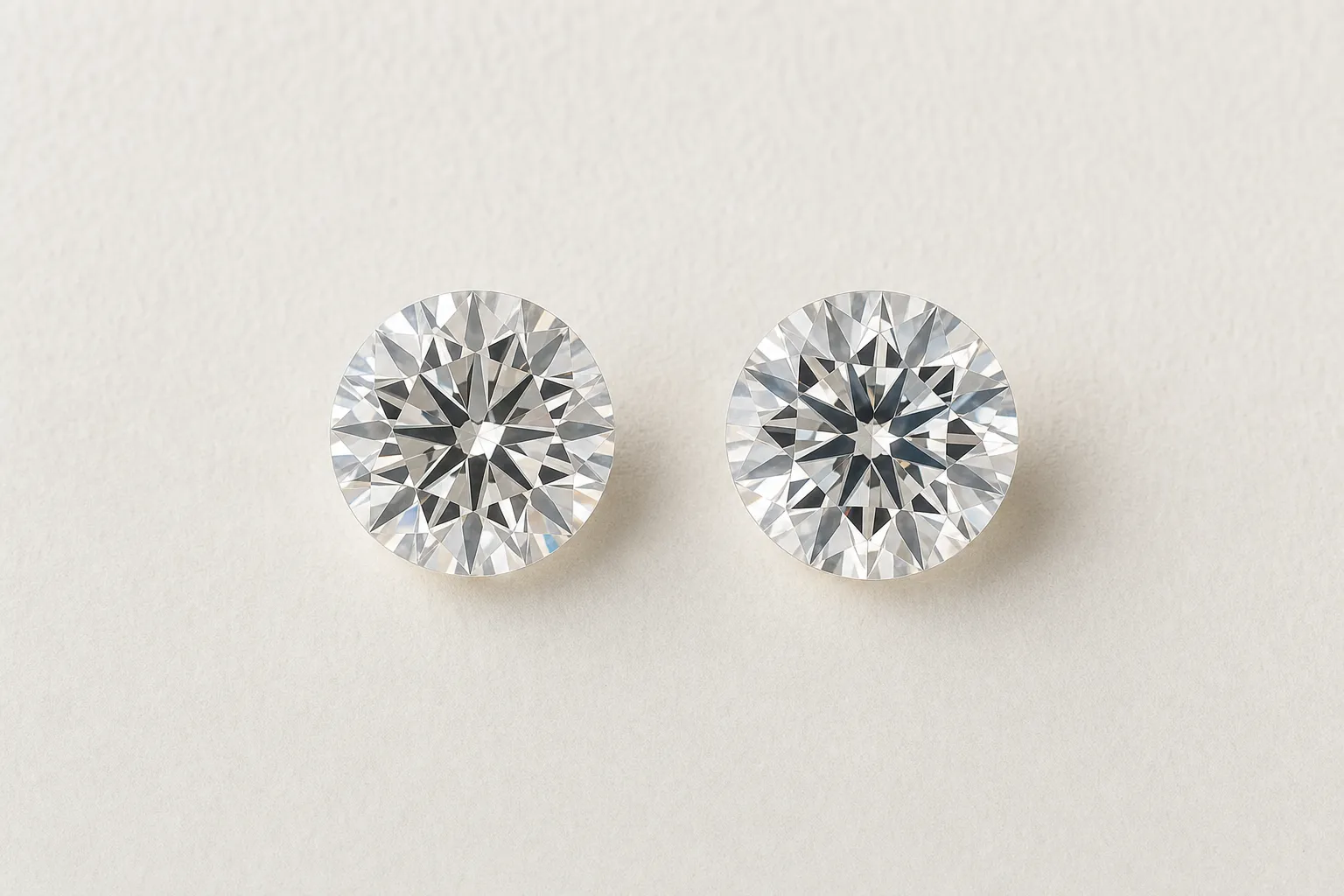
Natural or lab-grown diamond: the differences at a glance
Both are real diamonds. The difference isn't in the stone, it's in its history.
| Feature | Natural diamond | Lab-grown diamond |
|---|---|---|
| Hardness | 10 on the Mohs scale | 10 on the Mohs scale, identical |
| Optics | Fire and sparkle as expected | Fire and sparkle as expected, no visible difference |
| Price | Higher, especially from 1 carat up | Noticeably lower at the same size and clarity |
| Resale | Usually well below purchase price | Usually even further below purchase price |
| Origin | Grown in the earth, millions of years old | Grown in a lab, weeks to months |
Guide values for orientation, not a substitute for an individual certificate.
Honest about resale value
A diamond is not an investment, natural or lab-grown. Lab-grown diamonds lose noticeable value on resale, because production keeps getting cheaper and new stones keep entering the market. Natural diamonds usually lose value on resale too, dealers almost always pay less than the original price. Buy a diamond because you love it and it fits your story, not as a financial asset.
Certificates: what IGI actually checks
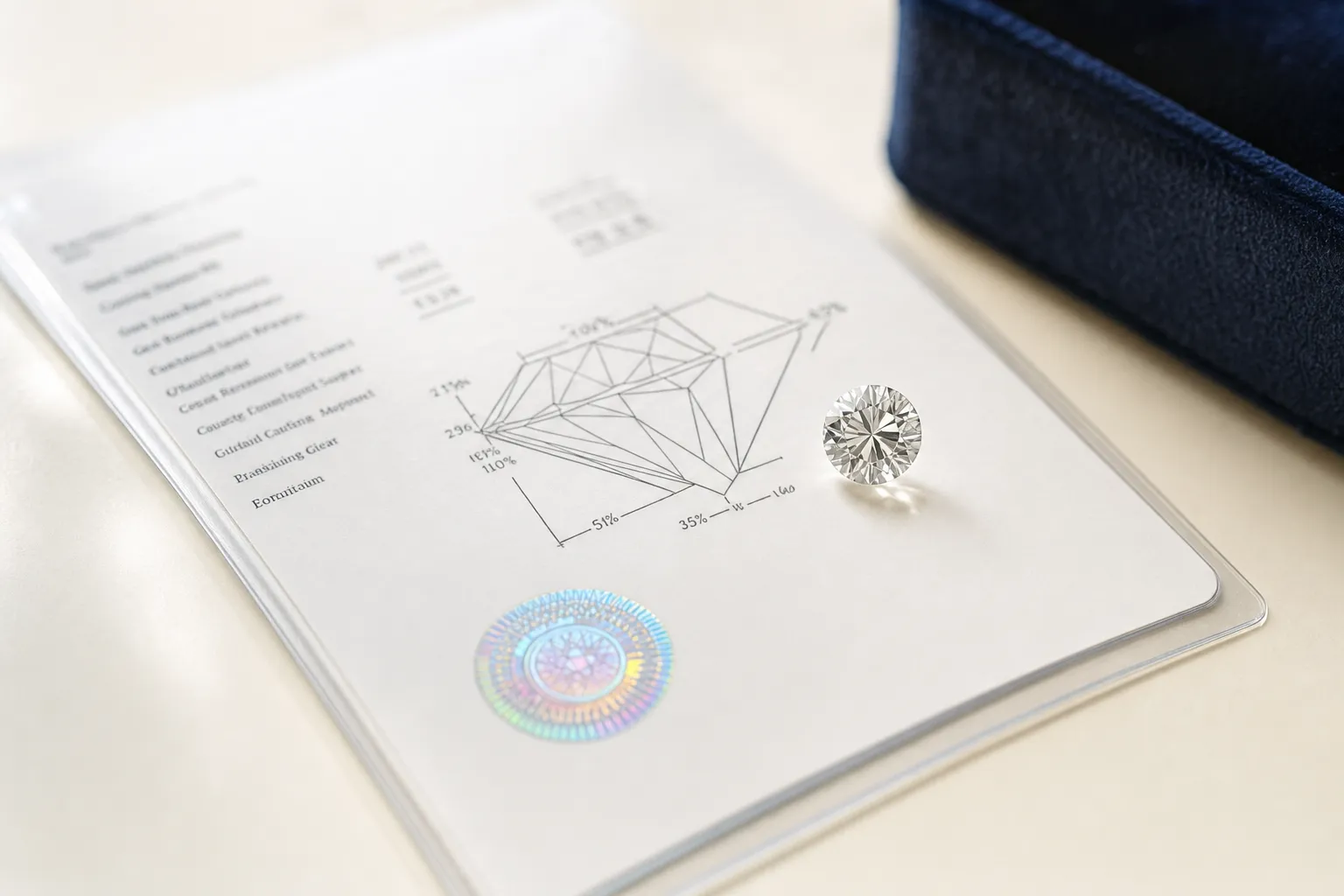
Every larger lab-grown diamond we sell comes with an independent certificate, usually from IGI. The institute grades carat, colour, clarity and cut by the same standards used for natural diamonds, and clearly notes that the stone is lab-grown.
That way you know exactly what you're paying for, and can have the stone checked by another appraiser if you want. We walk you through the certificate line by line during your consultation, in plain language.
Lab-grown diamonds: guide prices per carat
The exact price depends on colour, clarity and cut, so these are guide values. You'll get the precise figure during your consultation.
Price depends on the work involved. We calculate openly, no surprises.
Guide prices, as of 2026, incl. VAT. The exact price depends on stone, metal and work.
Frequently asked questions
Yes. A lab-grown diamond is chemically, optically and physically the same pure carbon as a natural diamond. The only difference is where it formed: in a lab rather than deep inside the earth. Terms like "cubic zirconia" or "synthetic stone" don't apply here, those are different materials entirely.
Not with the naked eye or an ordinary loupe. Only a specialised lab with the right equipment can identify tiny growth patterns that reveal whether a stone formed underground or in a lab. That's exactly why every larger diamond comes with a certificate that clearly states its origin.
Less than you paid, and we'll say that honestly. As production keeps getting cheaper and the market keeps growing, lab-grown diamonds lose noticeable value on resale, sometimes more than natural diamonds do. Buy one for the moment and the joy, not as an investment.
Yes, every larger lab-grown diamond at émin comes with an independent certificate, usually from IGI. Carat, colour, clarity and cut are graded by the same standards as natural diamonds, with a clear note stating the stone is lab-grown, so the origin stays unambiguous for you and for any appraiser later on.
That depends heavily on colour, clarity and cut, which is why we give guide values rather than a single number. On average a lab-grown diamond costs noticeably less than a comparable natural one. We work out the exact figure for your chosen stone openly during your consultation.
As a buyer it barely matters, both methods produce real diamonds with the same properties. CVD often suits larger, cleaner rough stones slightly better, HPHT is cheaper and faster. What matters in the end is the finished certificate, not the growing method.
Anywhere you want a larger or cleaner stone for the same budget: engagement rings, stud earrings or a fine pendant necklace. The price advantage is especially noticeable for larger stones from around 2 carats up, where natural diamonds become disproportionately more expensive.
Quick enquiry
Questions about lab-grown diamonds?
Send us a short message about what you're looking for. We'll give you honest advice on lab-grown versus natural diamonds and suggest an appointment, in Zurich or by video.