
Coloured gemstones
Sapphire, emerald or ruby engagement rings: an honest comparison
An engagement ring doesn't have to carry a diamond. Sapphire, emerald and ruby bring colour, character and often a personal story of their own, and they work just as well as the centre stone of a proposal as a classic diamond. At émin we advise you honestly on all three stones, including hardness, origin and the treatments they usually receive.
Not every coloured stone suits everyday wear equally well. We'll show you where sapphire and ruby are tough enough for daily life, where an emerald needs more care, and how you can still get the stone that fits your story.
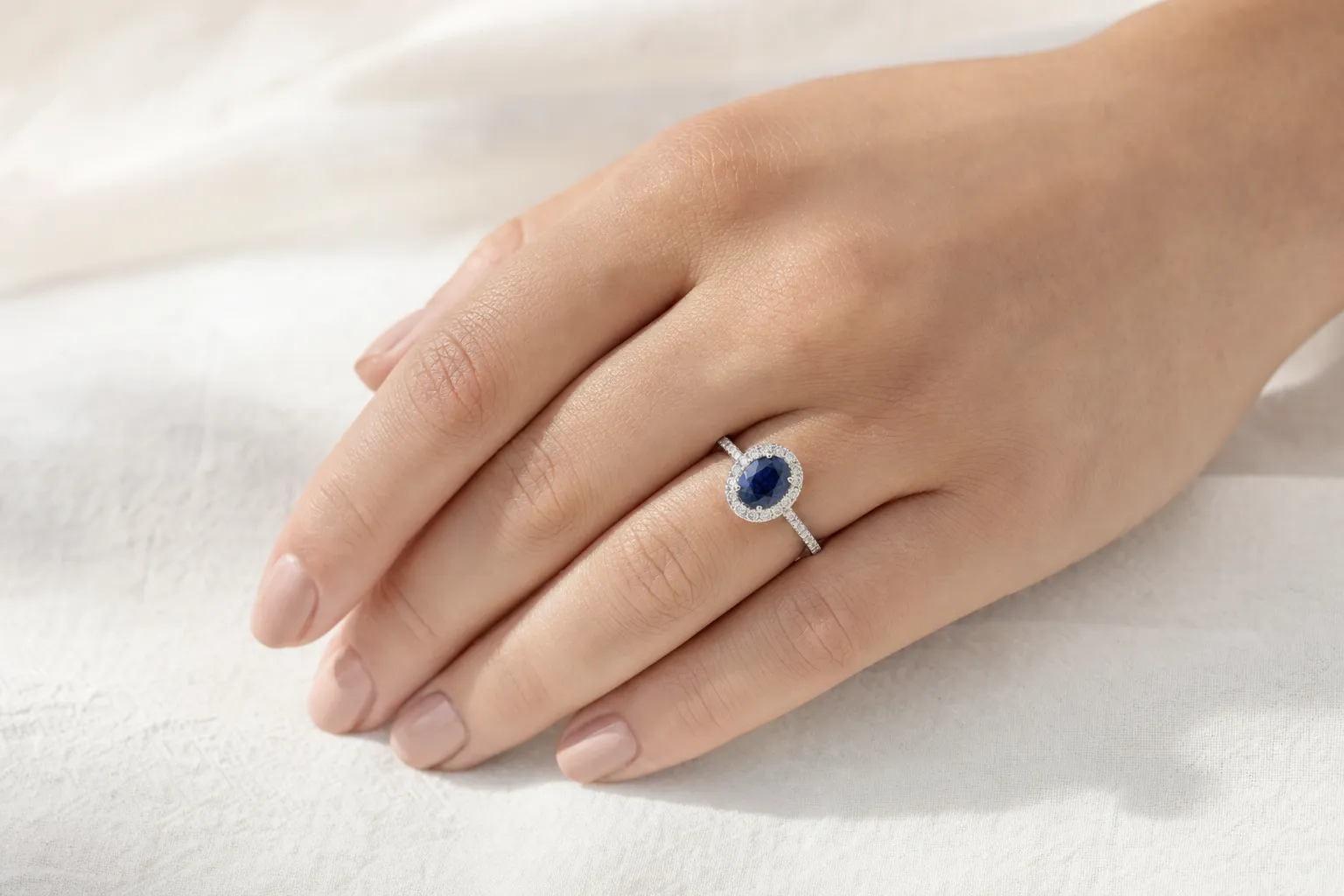
Why we give you an honest read on coloured stones
Honest about hardness
Sapphire and ruby sit at 9 out of 10 on the Mohs scale, nearly as hard as a diamond. Emerald sits at 7.5 to 8 and is more sensitive to knocks, and we tell you that openly before you decide.
Traceable origin
We explain where your stone comes from, whether Sri Lanka, Madagascar or Zambia, and what that means for colour and price.
Treatment stated clearly
Almost all coloured gemstones are treated, usually heated or oiled, to improve colour and clarity. We always tell you exactly which treatment your stone received, no fine print.
Hardness, everyday wear and care: what to know before you buy
Sapphire and ruby both belong to the corundum family and reach 9 out of 10 on the Mohs scale, only a diamond is harder. That makes both well suited to an engagement ring worn every day. Emerald sits at 7.5 to 8 and often carries fine inclusions, known as the jardin, which make it more prone to knocks and scratches.
Origin shapes both colour and price: sapphires often come from Sri Lanka, Madagascar or Australia, rubies frequently from Myanmar or Mozambique, emeralds mostly from Colombia or Zambia. Almost every coloured gemstone is treated, sapphire and ruby usually by heating, emerald usually by oiling to fill tiny fissures and deepen the colour. That's standard industry practice, but we'll always tell you exactly which treatment your stone had.
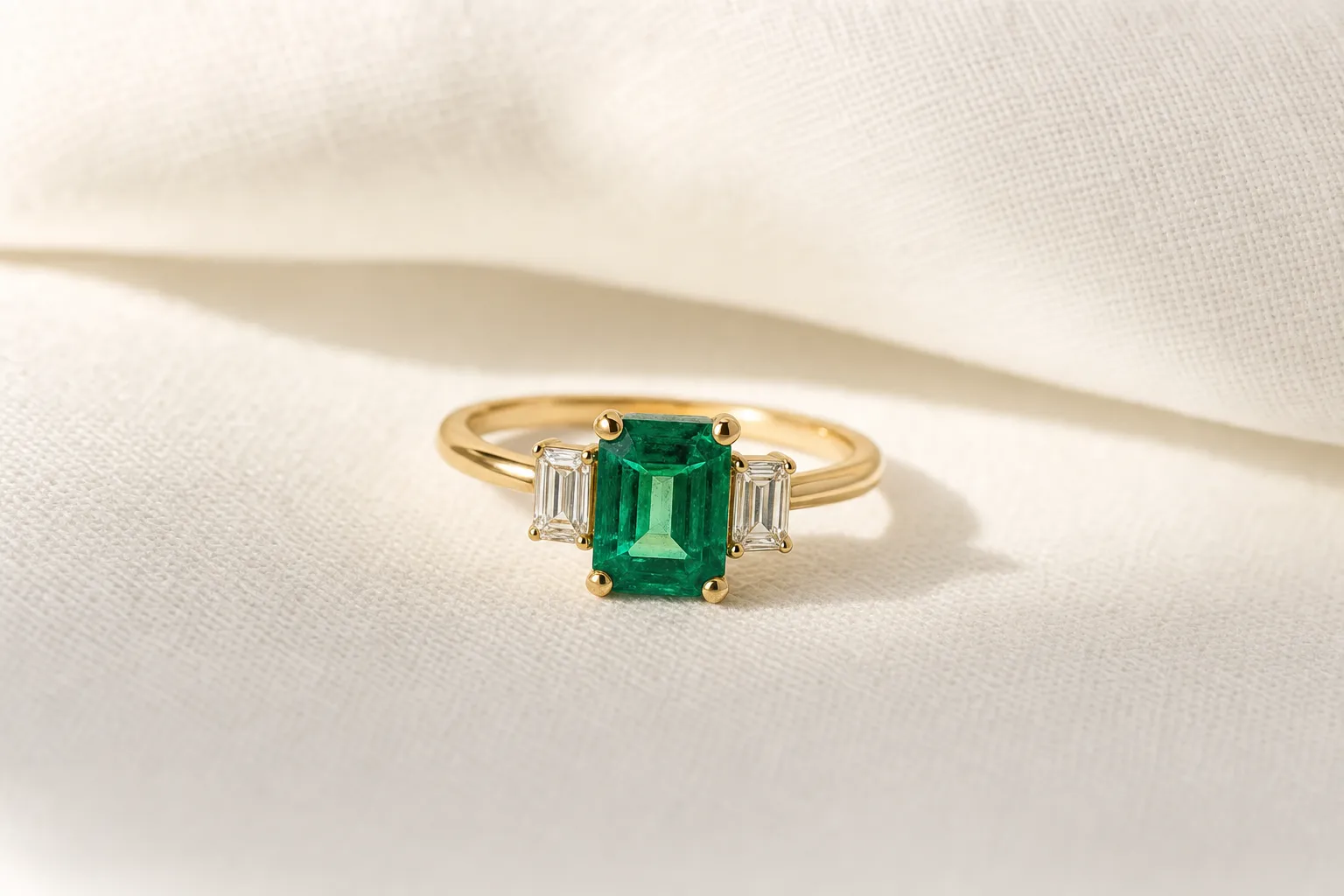
Sapphire, emerald and ruby in pictures
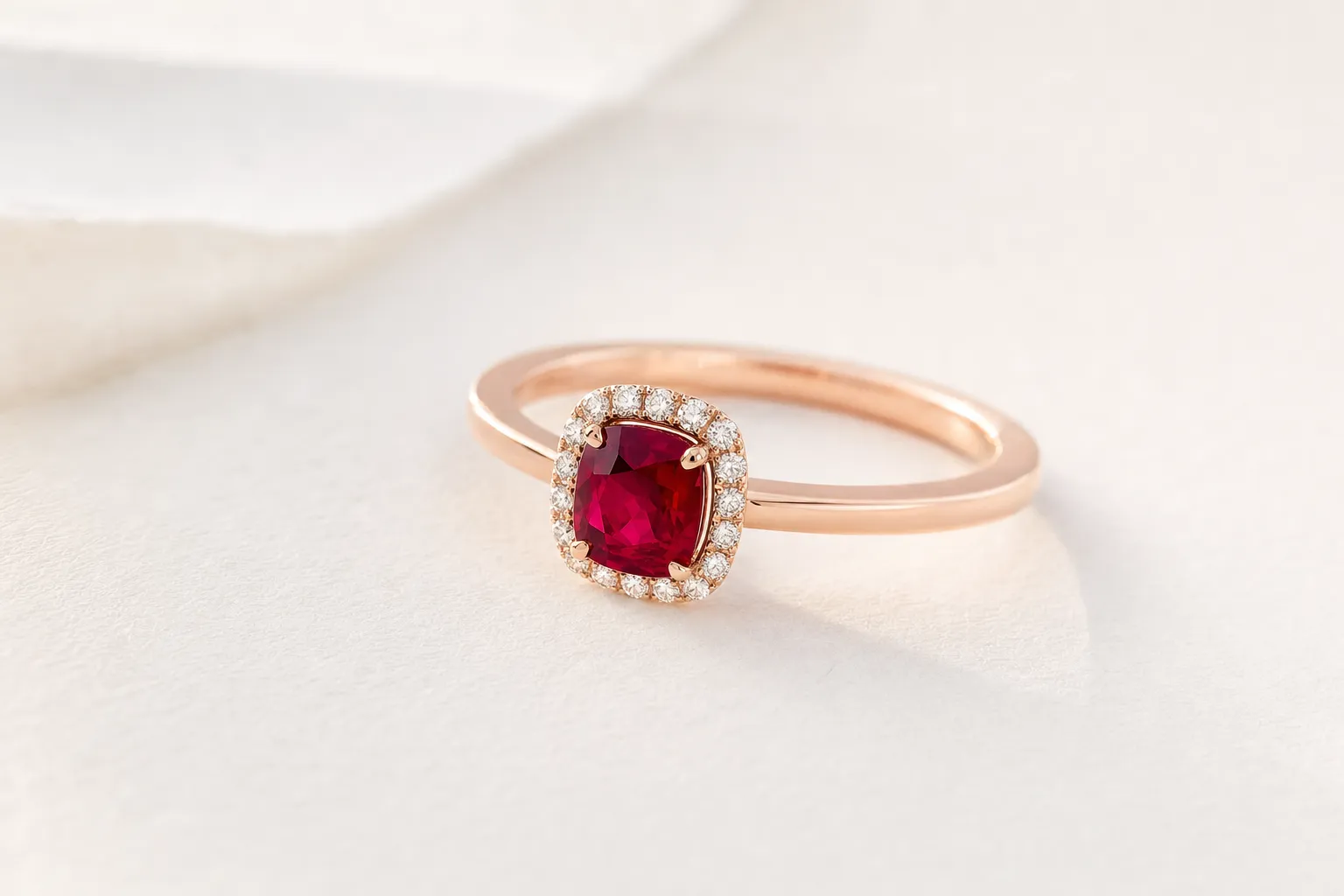
Sapphire, emerald and ruby compared
Three coloured stones, three different characters. Here's how to weigh them before deciding.
| Feature | Sapphire | Emerald | Ruby |
|---|---|---|---|
| Hardness (Mohs) | 9 | 7.5 to 8 | 9 |
| Everyday wear | Very good, holds up well daily | More delicate, better for gentler days | Very good, holds up well daily |
| Typical origin | Sri Lanka, Madagascar, Australia | Colombia, Zambia, Brazil | Myanmar, Mozambique, Thailand |
| Common treatment | Usually heated | Usually oiled | Usually heated |
Origin and treatment vary stone by stone, we'll give you the details for your chosen stone during your consultation.
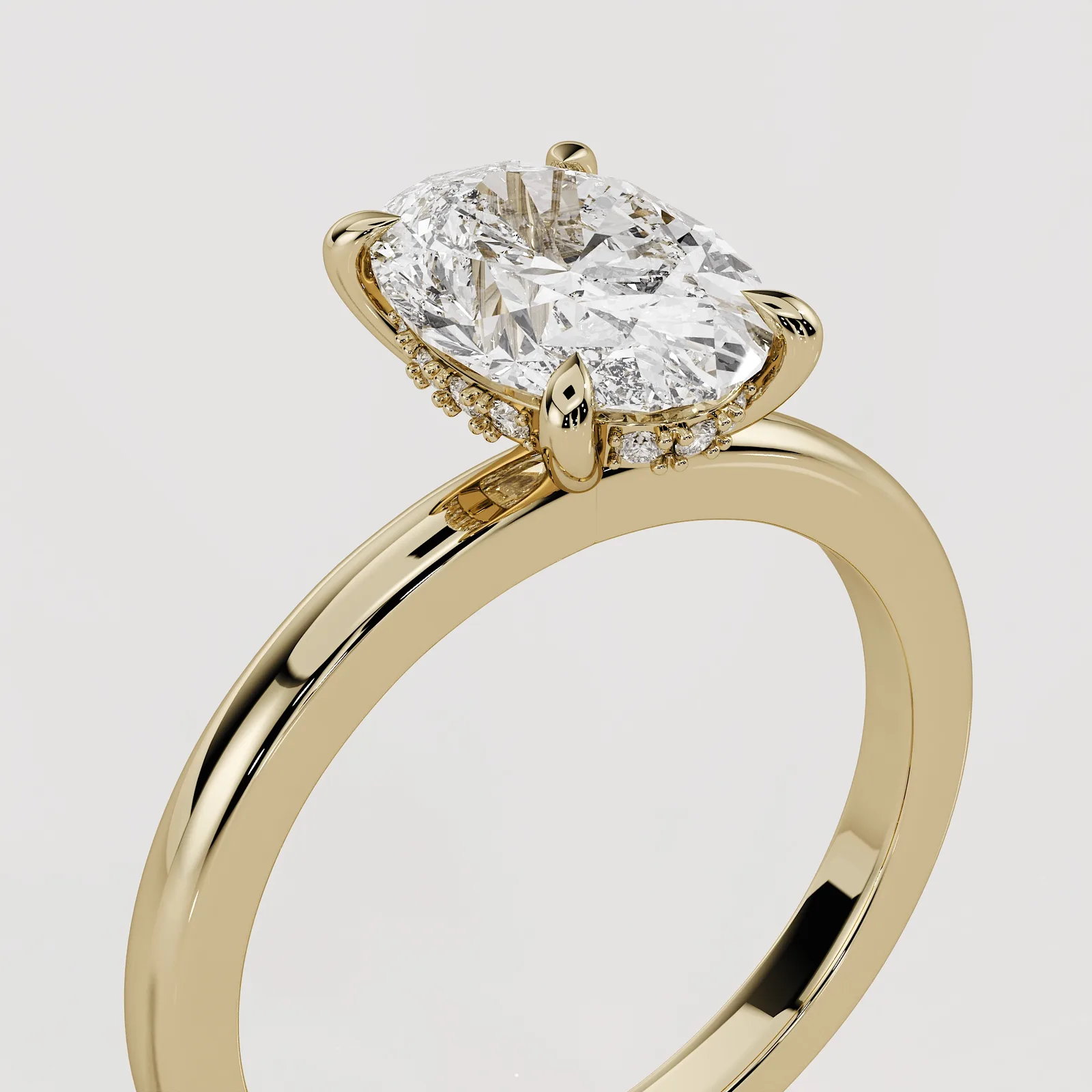
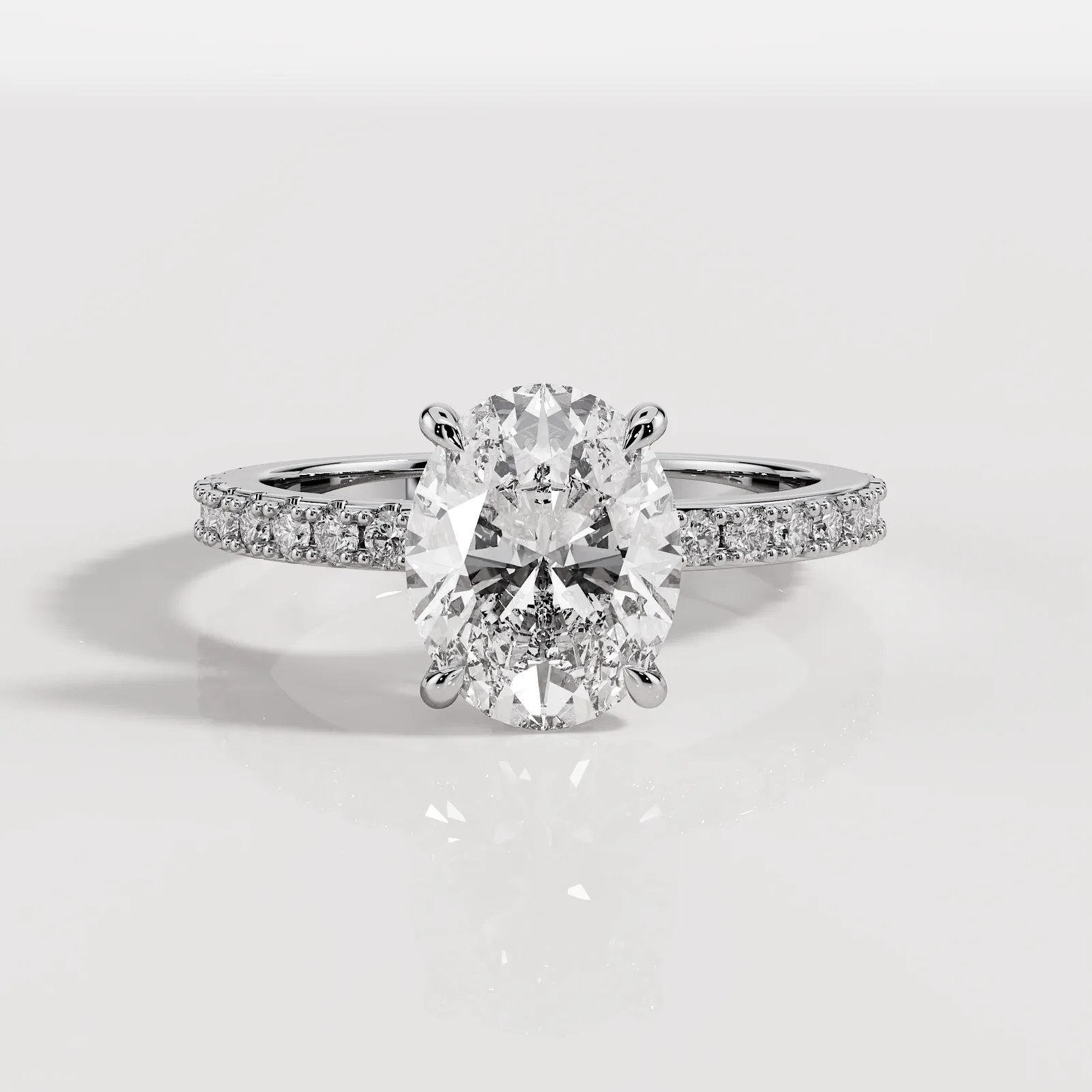
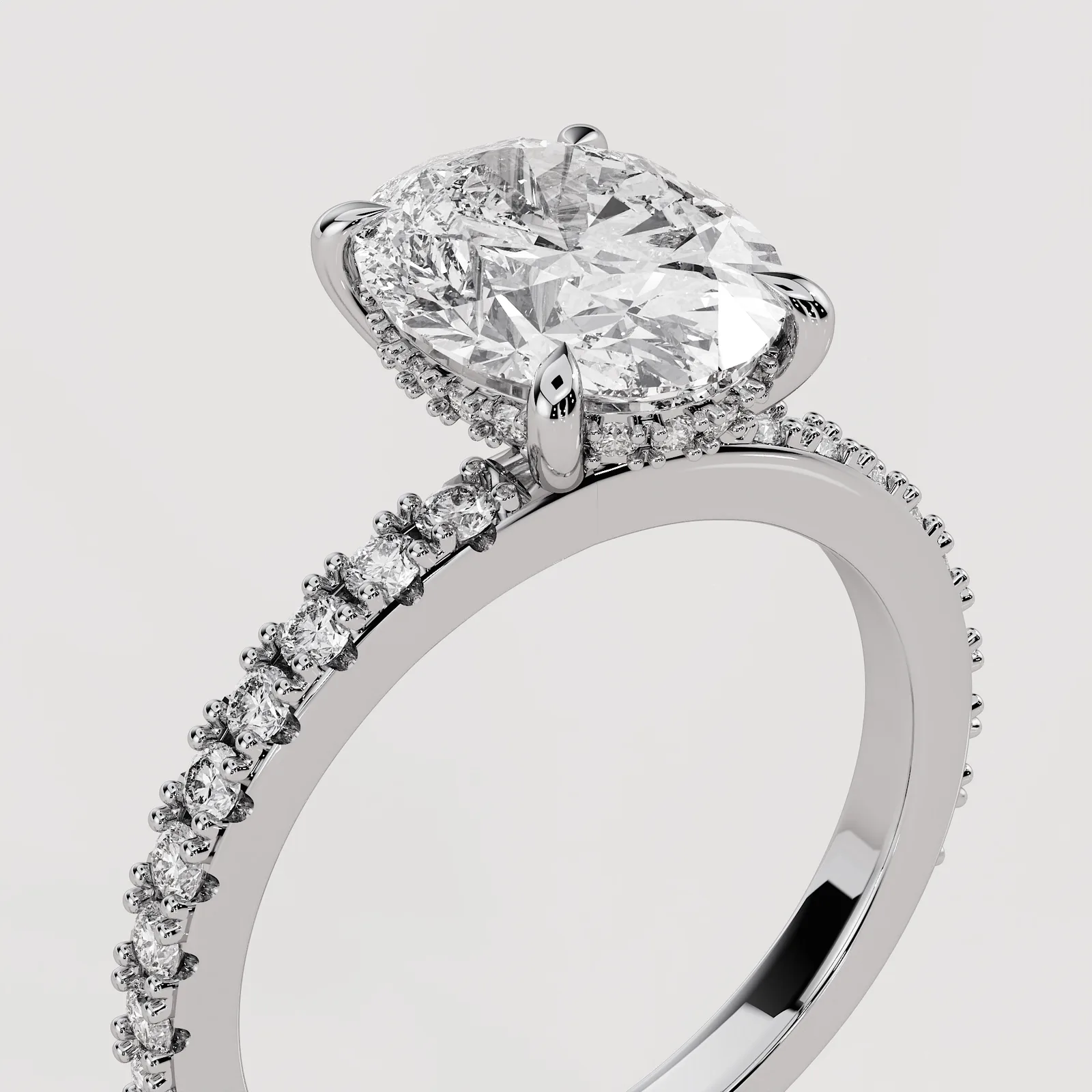
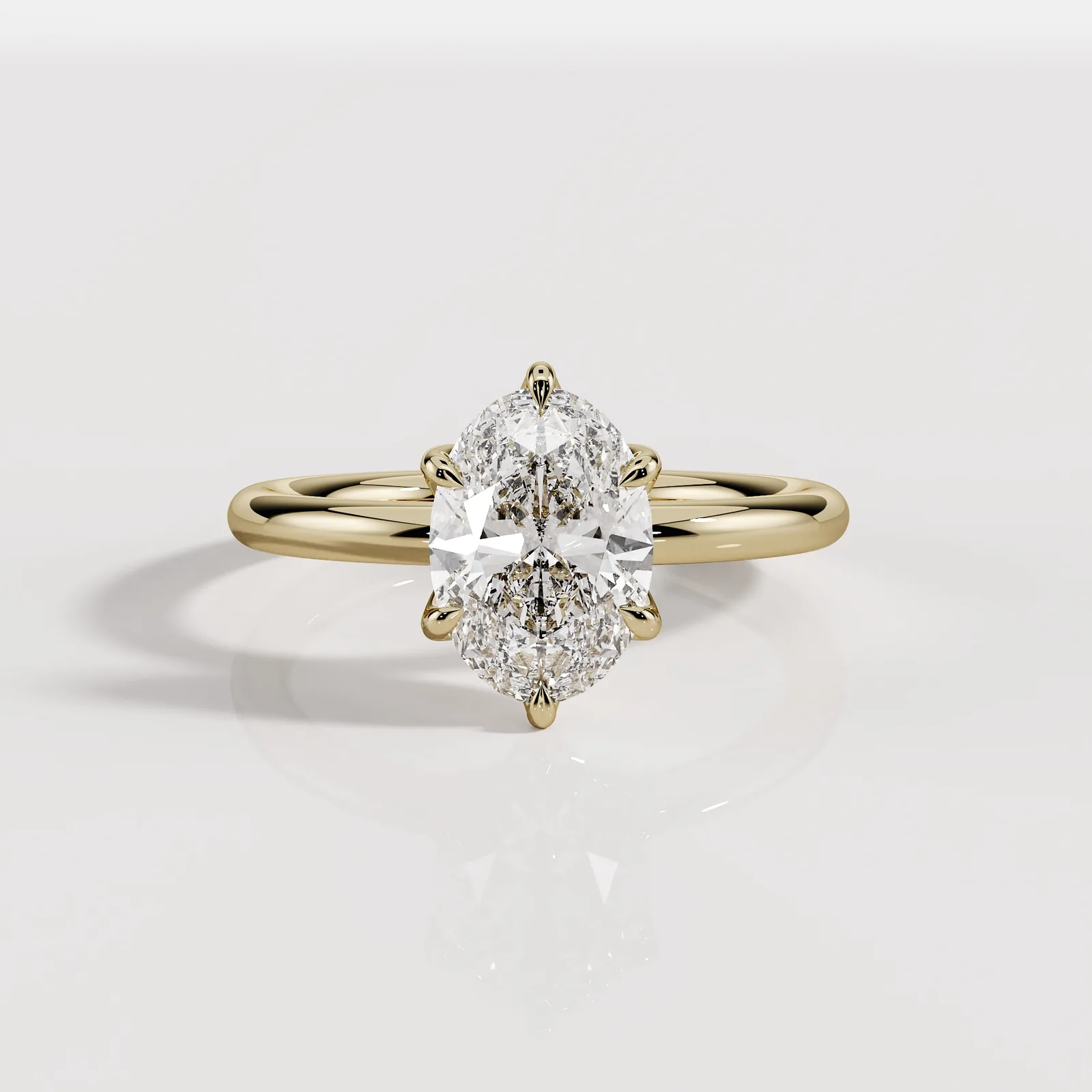
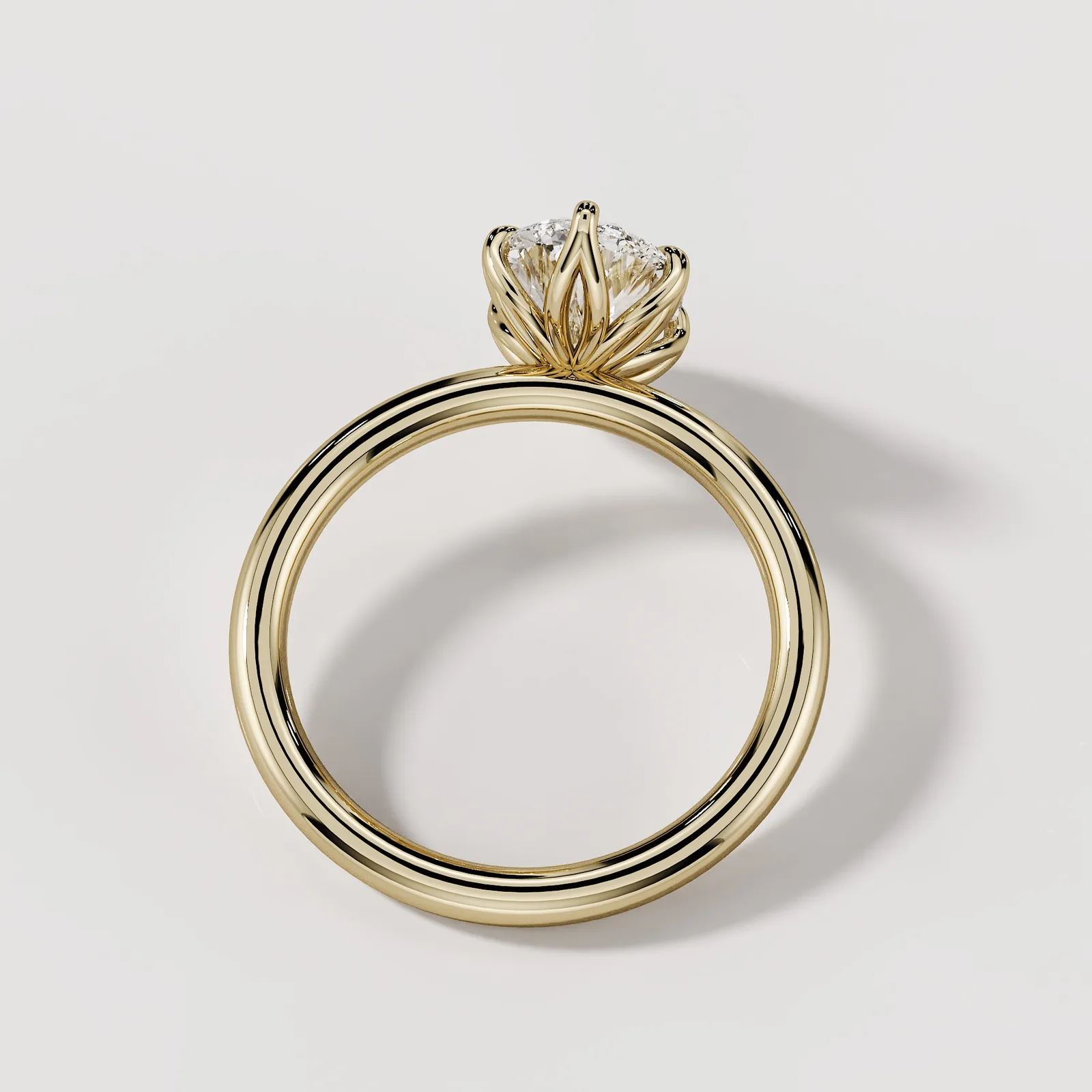
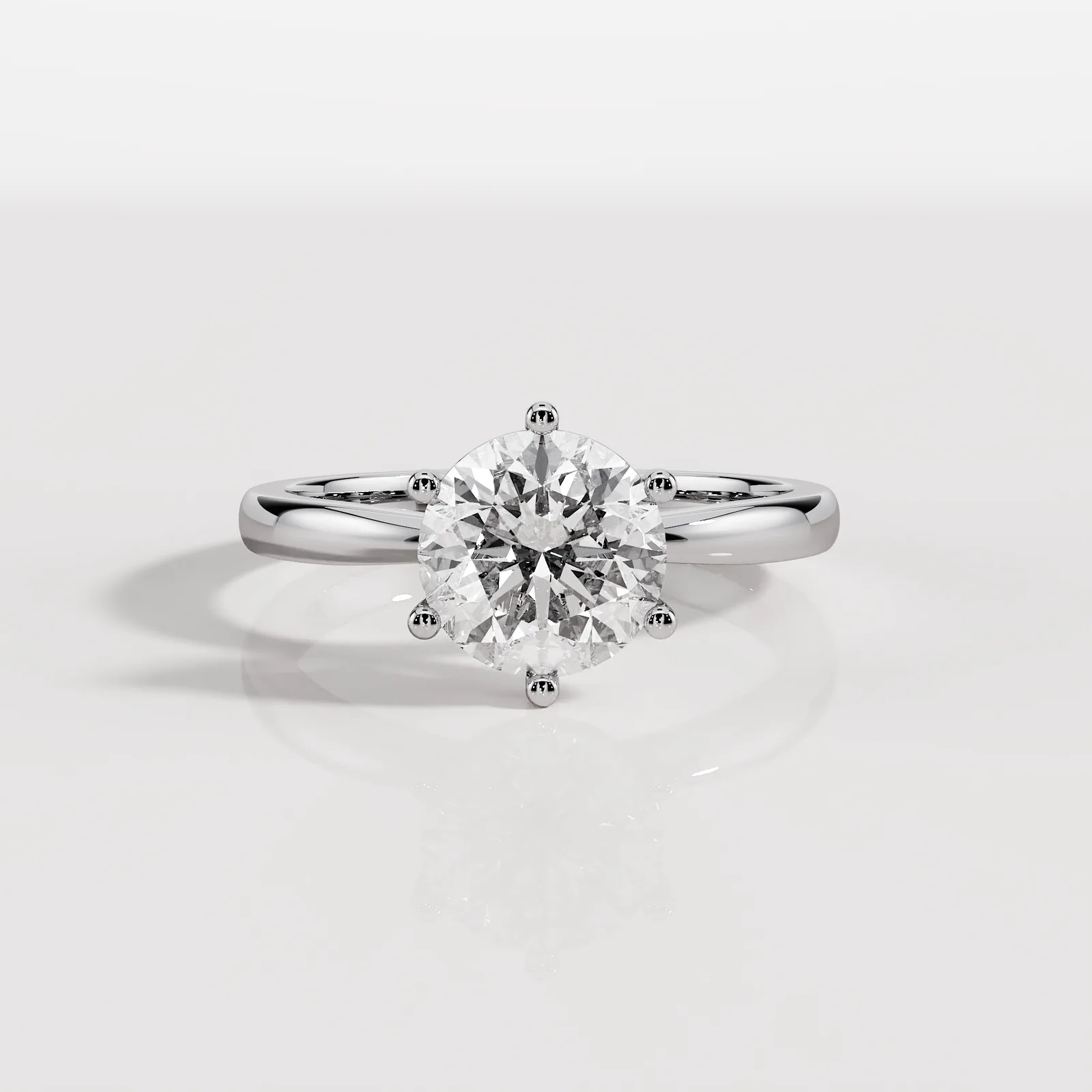
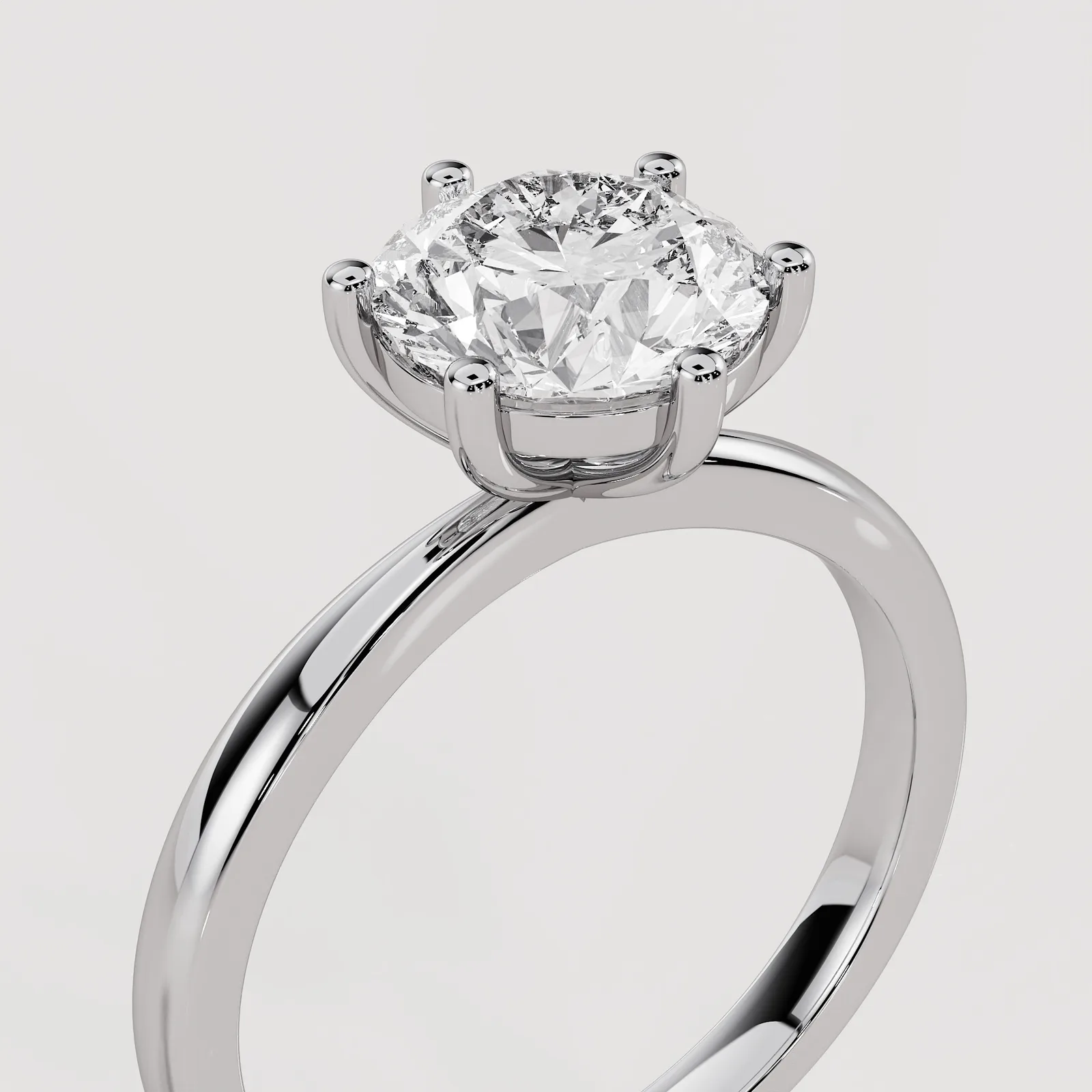
Settings for your coloured stone
These settings also work with sapphire, emerald or ruby instead of a diamond.
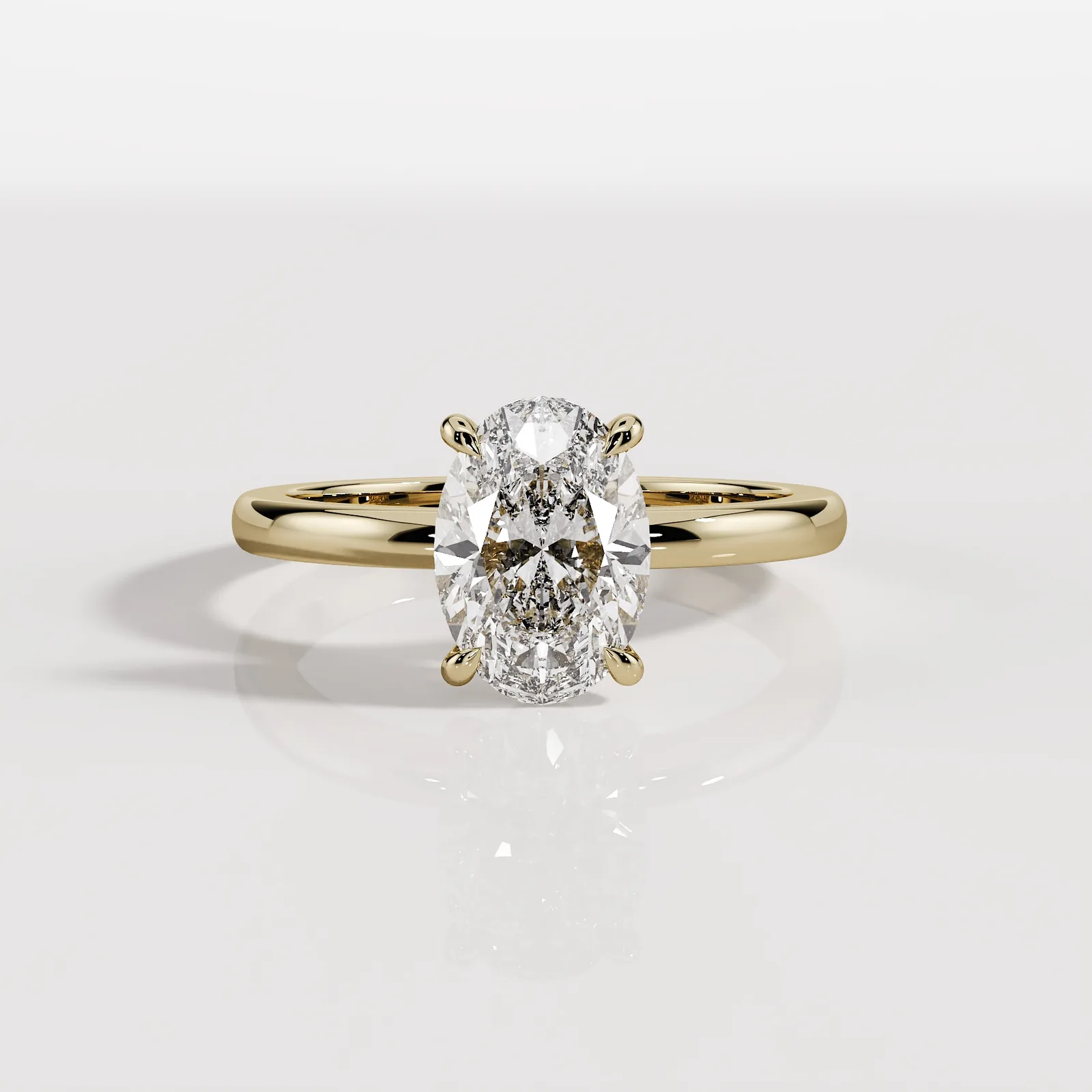
What a coloured gemstone engagement ring costs
Guide values depending on stone, size and quality. We discuss the exact figure during your consultation.
Price depends on the work involved. We calculate openly, no surprises.
Guide prices, as of 2026, incl. VAT. The exact price depends on stone, metal and work.
Frequently asked questions
Sapphire and ruby are, both sit at 9 out of 10 on the Mohs scale, nearly as hard as a diamond, and hold up well to daily life. Emerald, at 7.5 to 8, is more delicate and often has fine inclusions that make it more prone to knocks. For a ring worn every day, we tend to recommend sapphire or ruby, but tell us if emerald has your heart.
Yes, almost every coloured gemstone on the market is treated, usually by heating for sapphire and ruby, or oiling for emerald. That's standard industry practice and affects how stable the colour is. We tell you openly, for every stone, exactly what treatment it received and what that means for care and value.
That depends on the specific stone. We often source sapphires from Sri Lanka, Madagascar or Australia, rubies from Myanmar or Mozambique, emeralds mostly from Colombia or Zambia. Larger stones also come with a certificate documenting origin and treatment.
Emeralds almost always contain fine natural inclusions, known as the jardin, which weaken the stone in certain spots. Combined with its lower hardness of 7.5 to 8 on the Mohs scale, that makes emerald more prone to scratches or chipping than sapphire or ruby, both of which sit at 9.
Yes, that's one of the most popular combinations. A sapphire, emerald or ruby as a centre stone with a halo or pavé of small diamonds looks especially elegant. We'll show you different options during your consultation and advise on which setting brings out your stone best.
That depends heavily on the stone, its size, colour and clarity, which is why we give guide values rather than a fixed number. Sapphire and ruby tend to be priced closer together, while a very fine emerald can get noticeably more expensive depending on origin. We calculate the exact figure openly during your consultation.
For larger or particularly valuable stones, yes, an independent lab confirms origin, treatment and quality. For smaller stones a certificate isn't always standard, we'll tell you during your consultation what makes sense for your chosen stone.
Quick enquiry
Ready for your coloured stone ring?
Send us a short message about which stone you have in mind, sapphire, emerald or ruby. We'll give you honest advice and suggest an appointment, in Zurich or by video.