
Lab-grown diamonds in colour
Coloured lab-grown diamonds: pink, blue and yellow, explained honestly
Coloured lab-grown diamonds are real diamonds with the exact same chemical structure as a classic white stone, just grown in pink, blue or yellow. At émin we explain how these colours are created, how they differ from natural fancy-coloured diamonds, and who a coloured stone genuinely makes sense for.
Natural fancy-coloured diamonds are among the rarest and most expensive stones in the world, a pink diamond in ring size can easily cost tens of thousands of francs. Coloured lab-grown diamonds bring the same look at a fraction of the price, and we tell you honestly where the differences lie and where they don't.
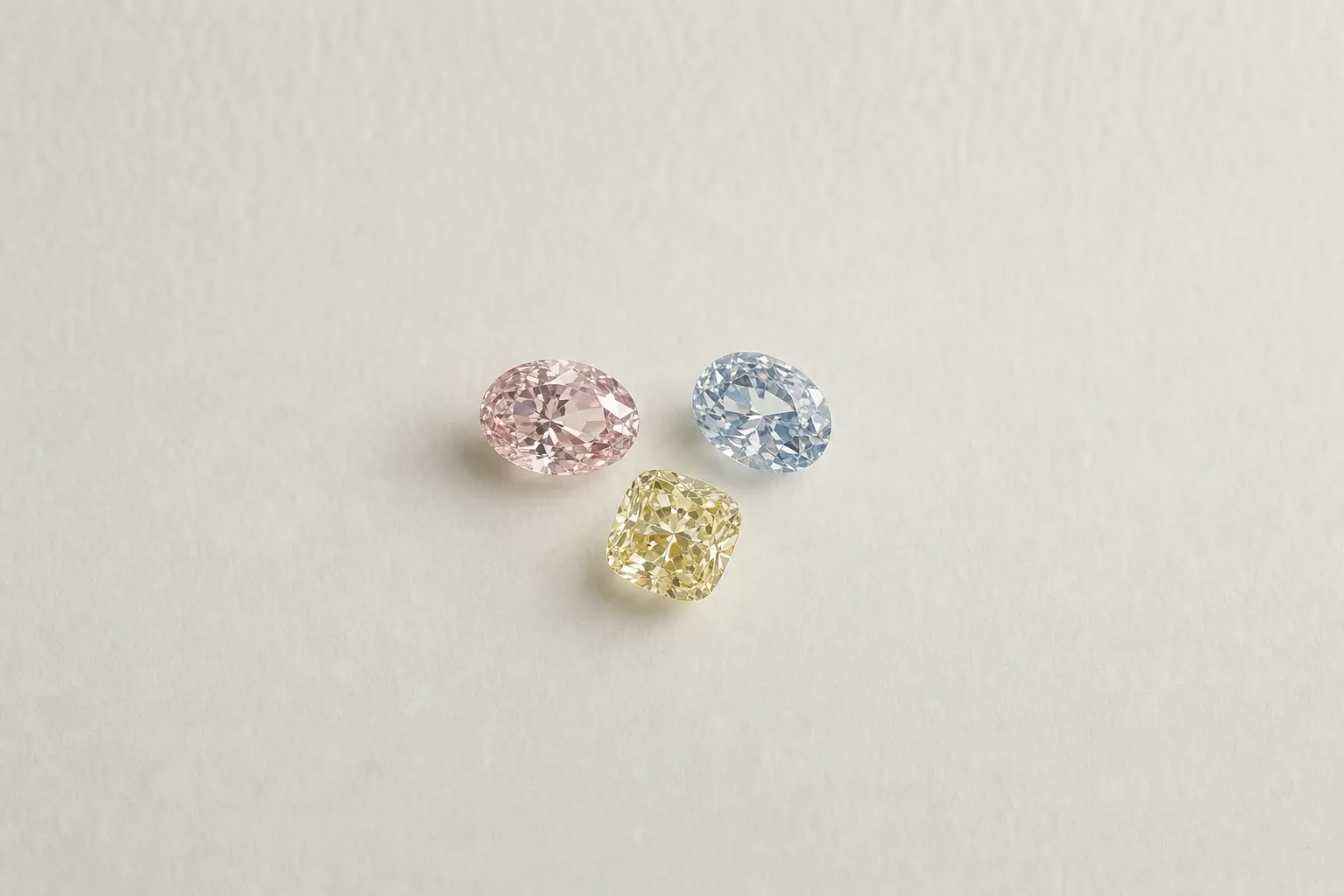
How a lab-grown diamond gets its colour
A lab-grown diamond forms either through HPHT, under extreme pressure and heat, or through CVD, where carbon builds up layer by layer on a seed crystal. To create colour, tiny amounts of other elements are added during growth, or the finished stone is treated afterwards with controlled irradiation and heat, much like how some natural coloured stones are treated too.
Blue usually comes from boron, yellow from nitrogen, pink is often the result of a later treatment. What matters is that a proper certificate, from IGI for example, always states whether and how a stone was treated. We show you the certificate for every coloured stone and explain exactly what it says.
Coloured lab-grown diamond, natural fancy diamond, or coloured gemstone
Three ways to bring colour into a ring, each with its own price and rarity.
| Coloured lab-grown diamond | Natural fancy diamond | Coloured gemstone (sapphire, ruby) | |
|---|---|---|---|
| Look | Strong, even colour | Often more nuanced, with subtle variation | Its own vivid colour world, depending on the stone |
| Hardness | As hard as any diamond | As hard as any diamond | Hard, but softer than a diamond |
| Price level | Medium | Very high | Low to medium |
| Availability | Easy to plan, even in larger carats | Rare, often a long search | Widely available |
Price level is a rough guide in words, not a figure. We discuss the exact price in person.
Settings for your coloured stone
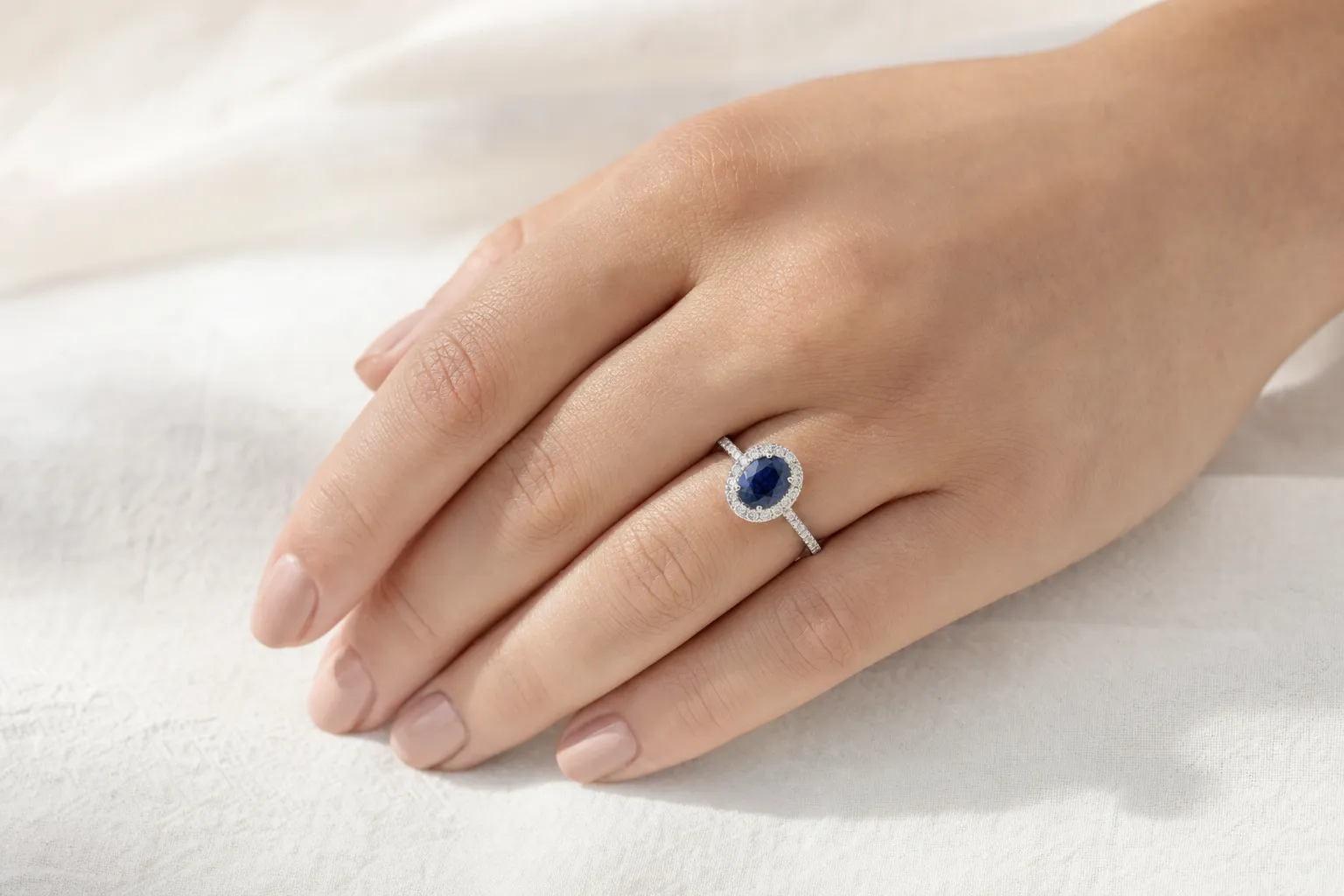
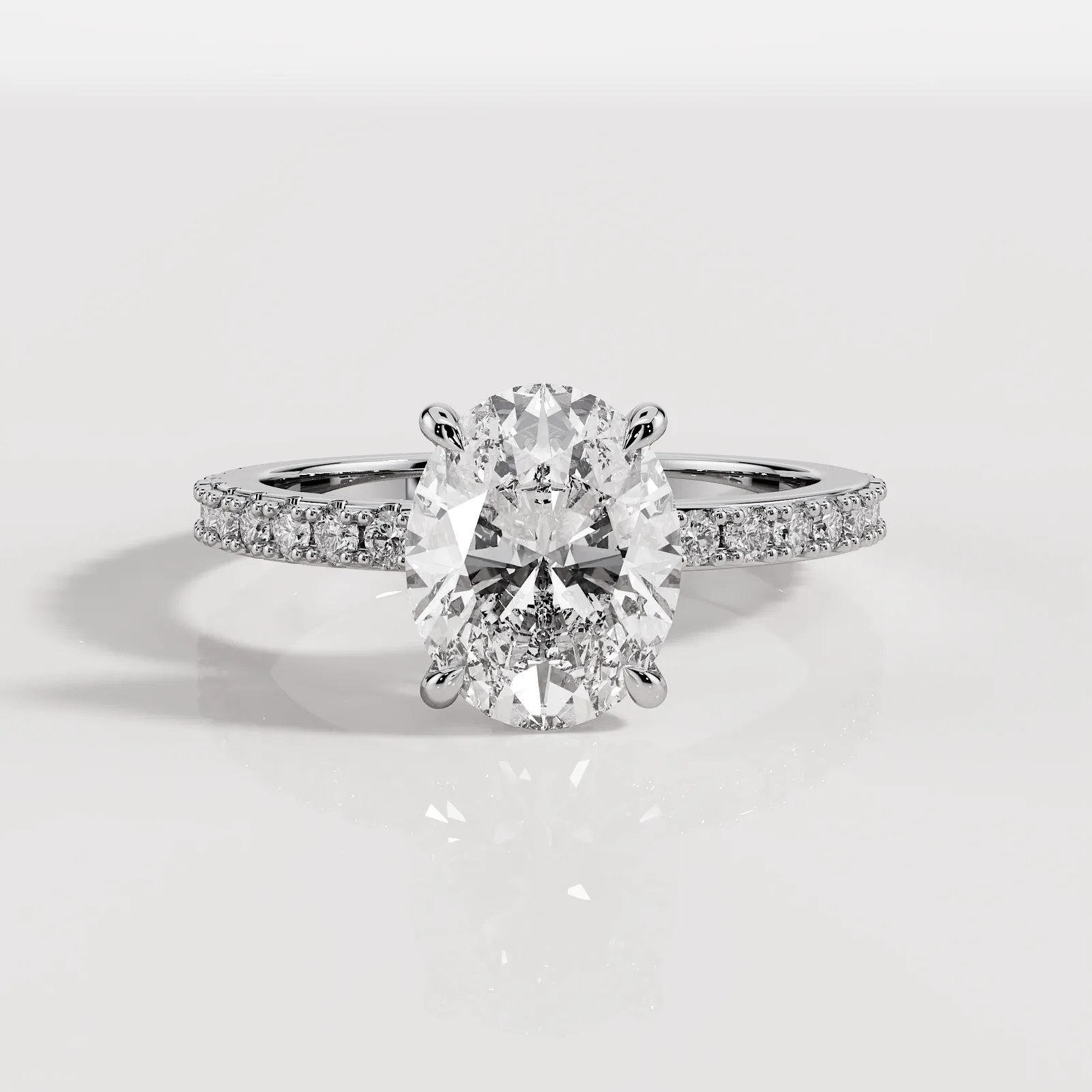
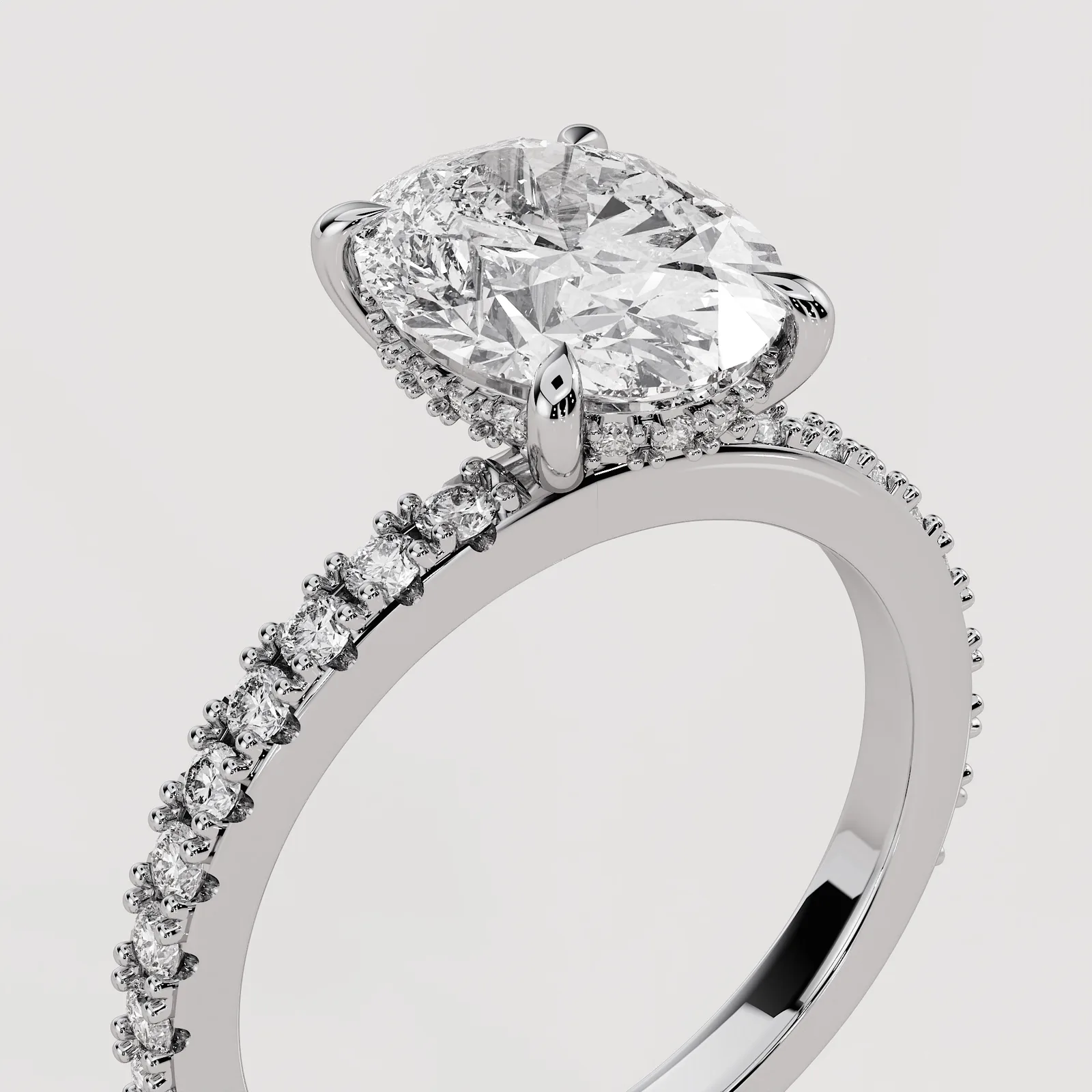
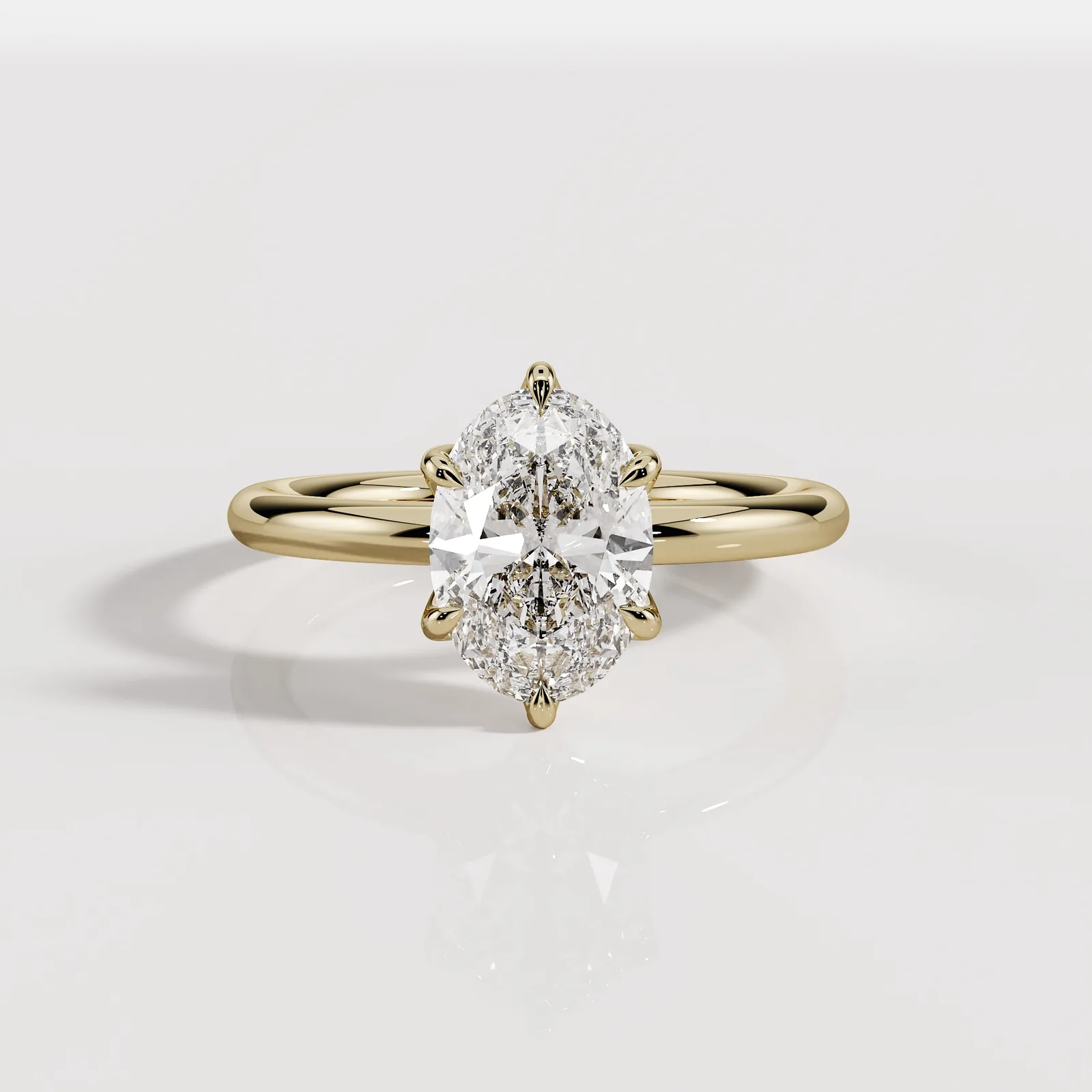
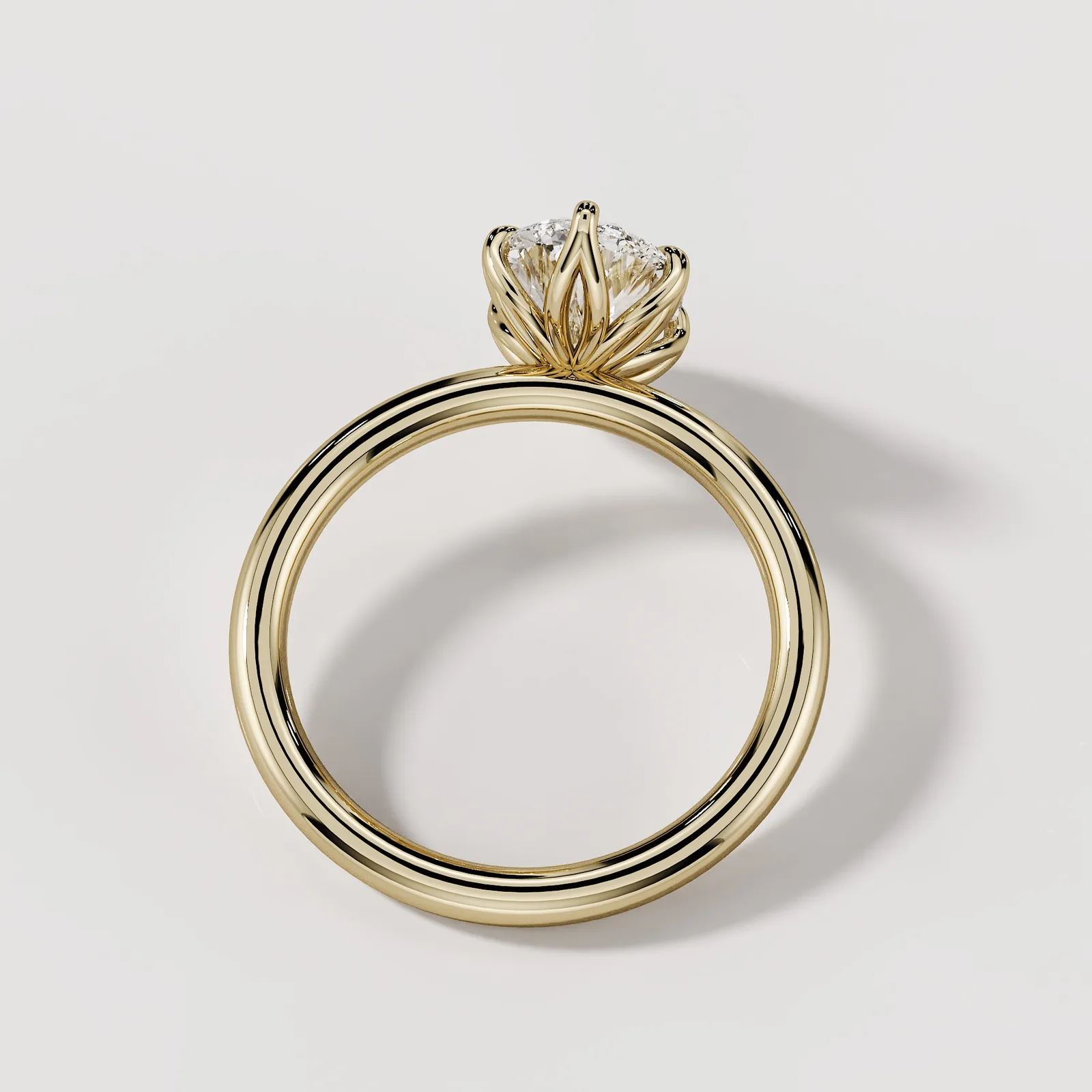
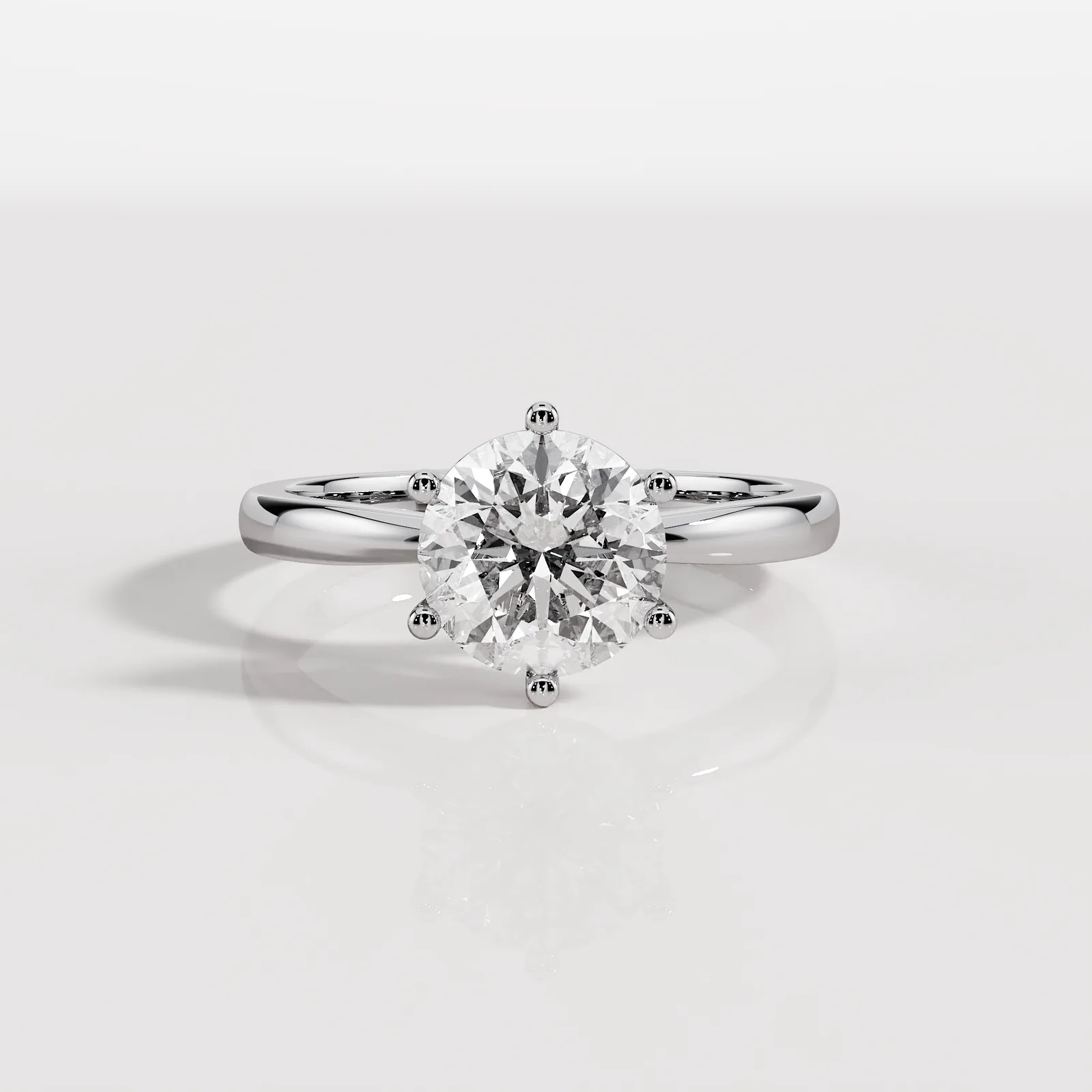
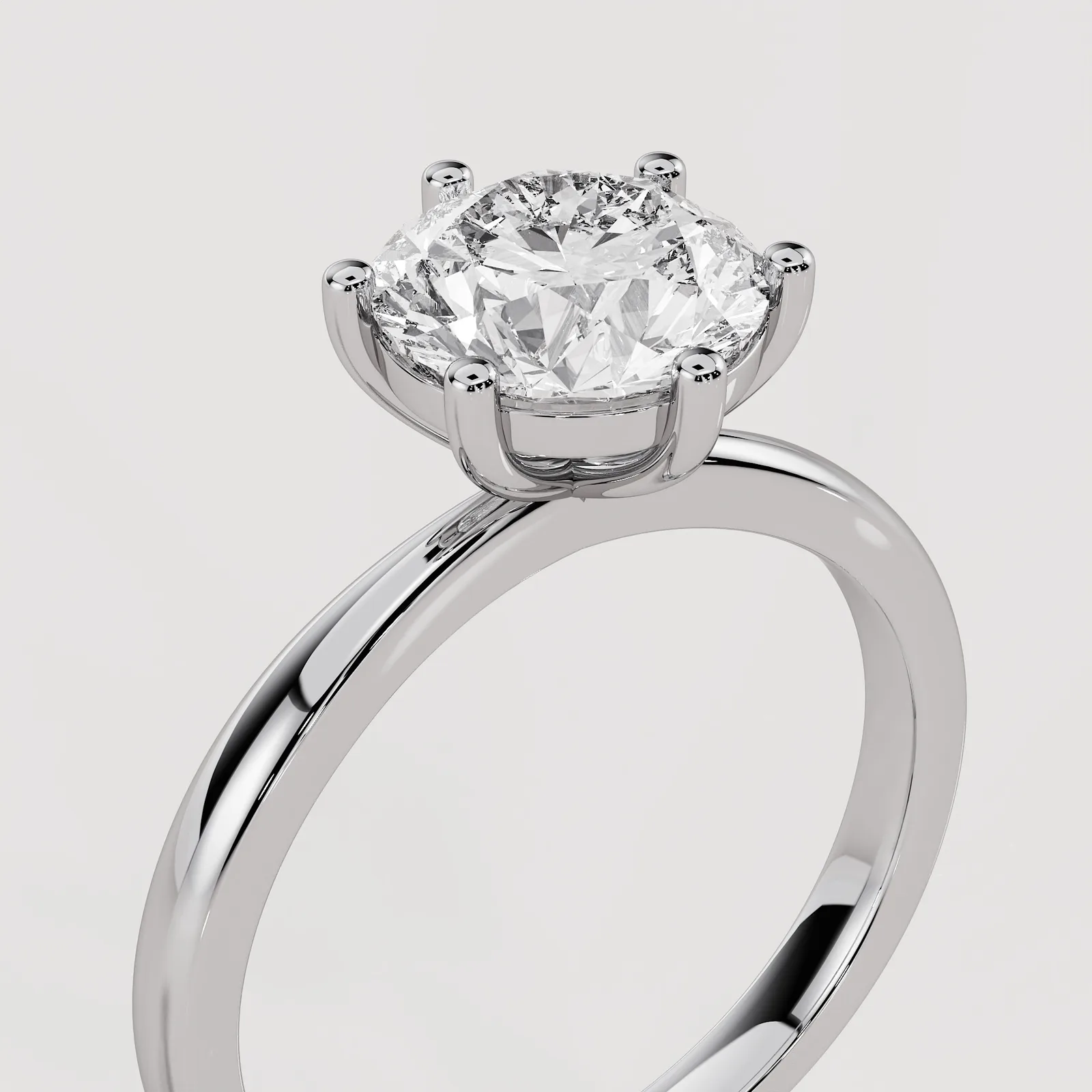
Every model in our collection can be combined with a coloured lab-grown diamond, usually as the centre stone or as an accent in a halo.
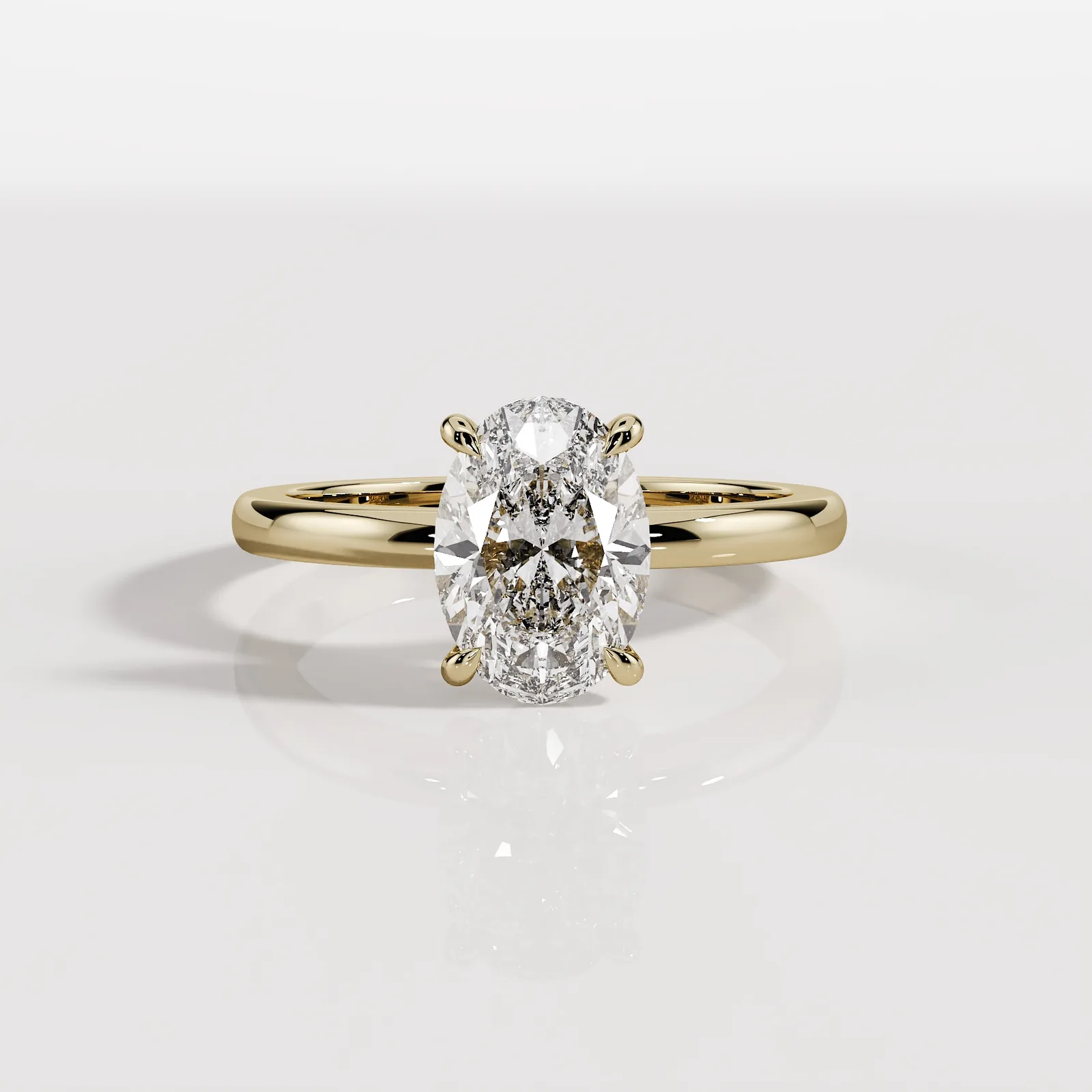
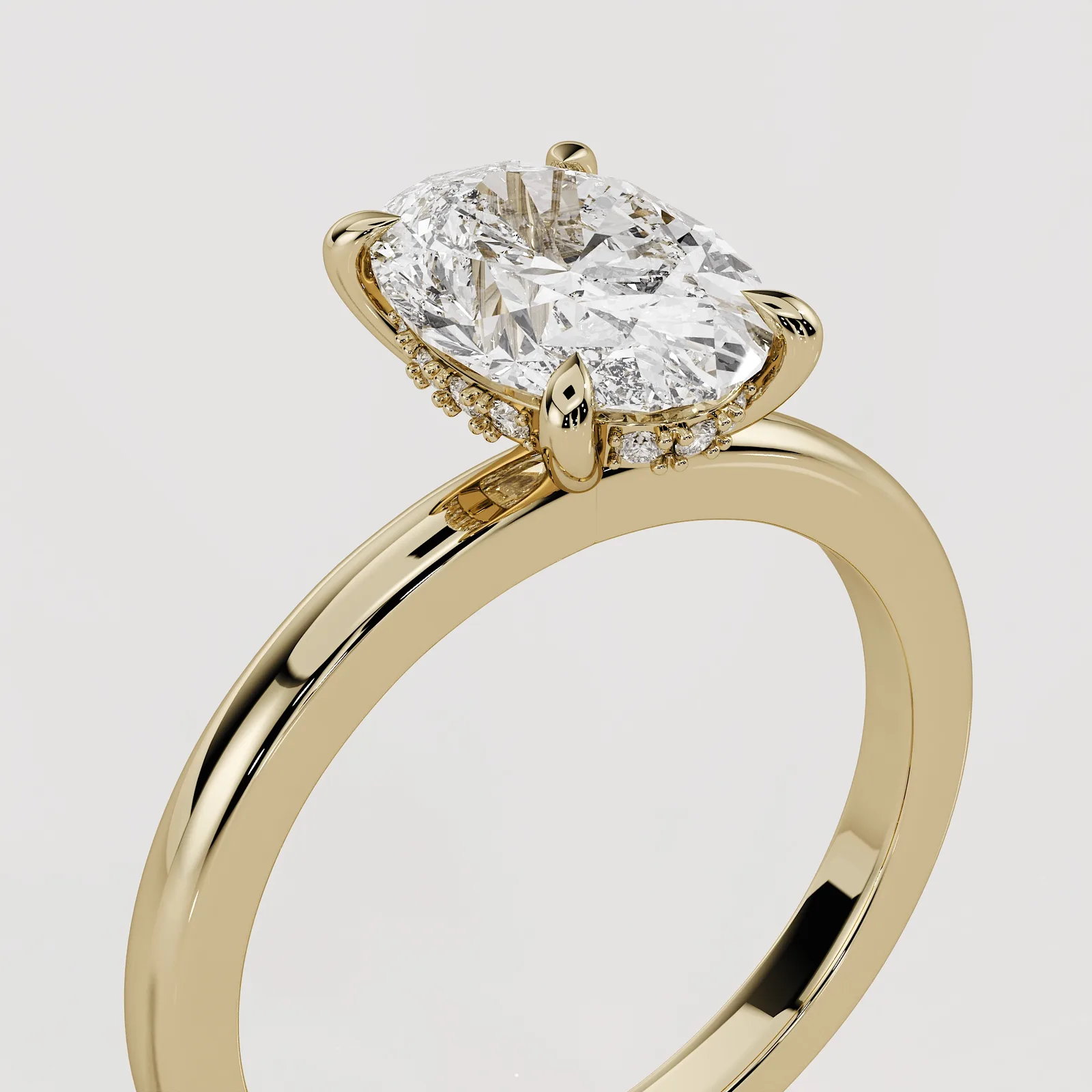
What a coloured lab-grown diamond costs
A guide price for a 1-carat stone in pink, blue or yellow.
Price depends on the work involved. We calculate openly, no surprises.
Guide prices, as of 2026, incl. VAT. The exact price depends on stone, metal and work.
Frequently asked questions
Yes, chemically and optically they are one hundred percent diamond, pure carbon in the same crystal structure as a natural stone. The only difference is how they formed: in a lab instead of over millions of years underground. The certificate states this openly, there's nothing to hide.
During growth, tiny amounts of other elements are introduced, boron for blue or nitrogen for yellow, or the finished stone is treated afterwards with controlled irradiation and heat. A proper certificate always records whether and how a stone was treated, so you know exactly what you're buying.
Natural fancy-coloured diamonds are among the rarest stones in the world and cost a multiple of a comparable lab-grown stone, depending on colour and intensity. At the same size and a similar look, a lab-grown diamond is often only a fraction of the price, we discuss the exact difference in a personal conversation.
Pink is the most popular choice for engagement rings, followed by a warm yellow and a clear blue. In the end it's a matter of taste, at an appointment we're happy to show you several colours and intensities side by side so you can compare calmly.
Yes, every coloured stone above a certain size comes with a certificate, usually from IGI, documenting colour, intensity and any treatment. That way you have it in writing what you bought, and can have it checked by a third party at any time.
No, a diamond is chemically extremely stable and the colour does not change under normal conditions. Everyday wear, sunlight or contact with water have no effect on the colour of your stone.
Almost always, yes. Most of our settings work well with a coloured centre stone, and a quiet setting in white gold or platinum often works best so the colour of the stone stays in focus. We're happy to advise which combination suits your chosen stone.
Quick enquiry
Curious about colour?
Tell us which colour interests you. We'll show you matching stones and settings, in person or by video.