
Diamond certificates explained
IGI certificate: what it says and how to check it yourself
An IGI certificate is your diamond's passport: carat, colour, clarity, cut, and for lab-grown stones a clear note that the diamond grew in a lab. At émin every larger stone comes with such a certificate, so you can see in writing exactly what you're paying for.
IGI, the International Gemological Institute, is one of the largest independent labs in the world and today grades most lab-grown diamonds sold anywhere. Here we show you what the report actually says, how to verify the number yourself online, and where IGI and GIA differ.
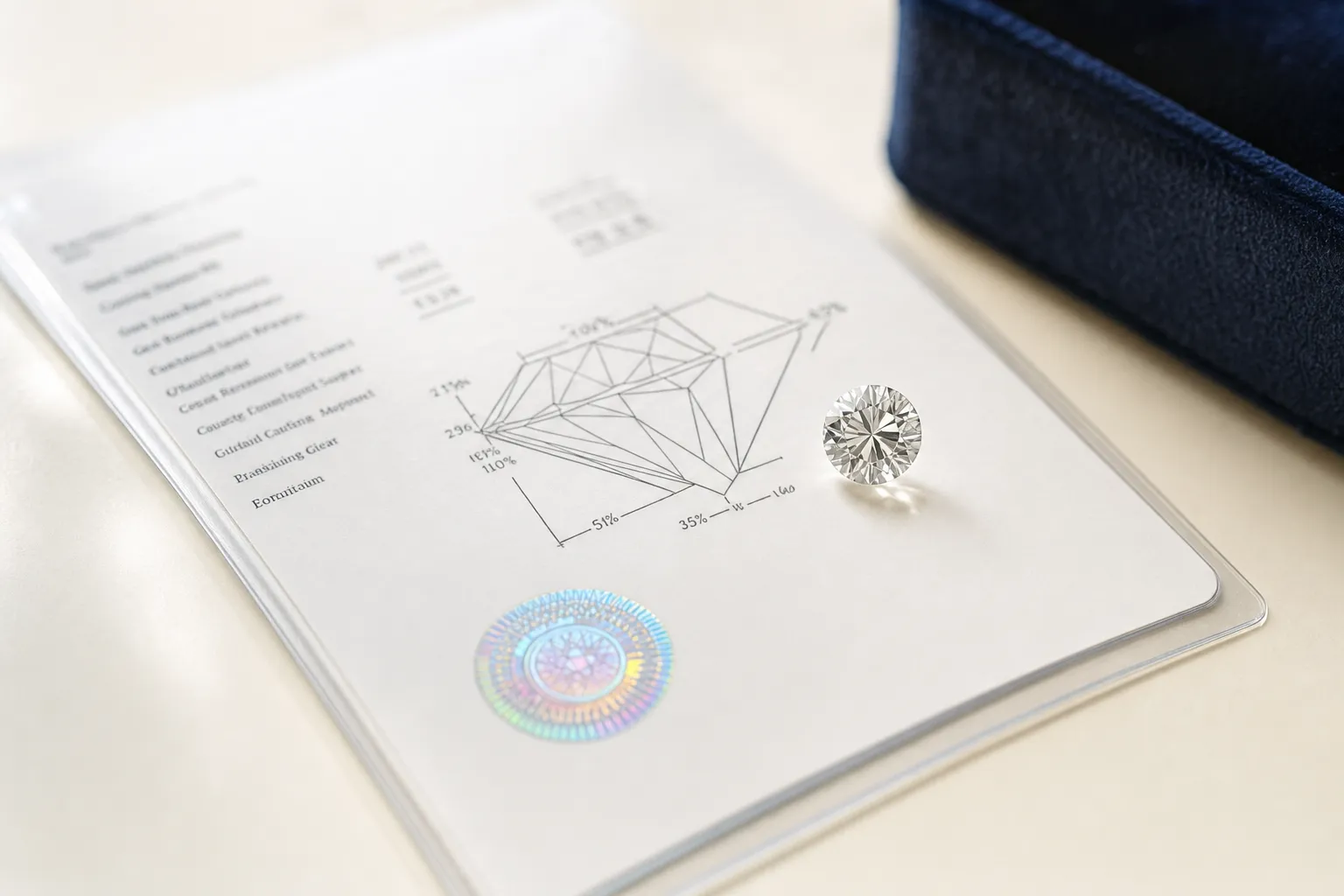
What the report actually says
A report is not a brochure, it's a measurement record. It states carat weight, colour, clarity and cut, along with measurements and proportions, and often a small diagram called a plot, showing where tiny inclusions sit inside the stone. For lab-grown diamonds, IGI also clearly notes that the stone was grown in a lab, usually with the phrase 'Laboratory Grown' printed right on the card.
Every report carries a report number. That number is often additionally laser-inscribed, tiny, on the girdle of the diamond, the narrow edge between the top and bottom of the stone, visible only under a loupe. That way the stone can always be matched to its report, even years after the purchase.
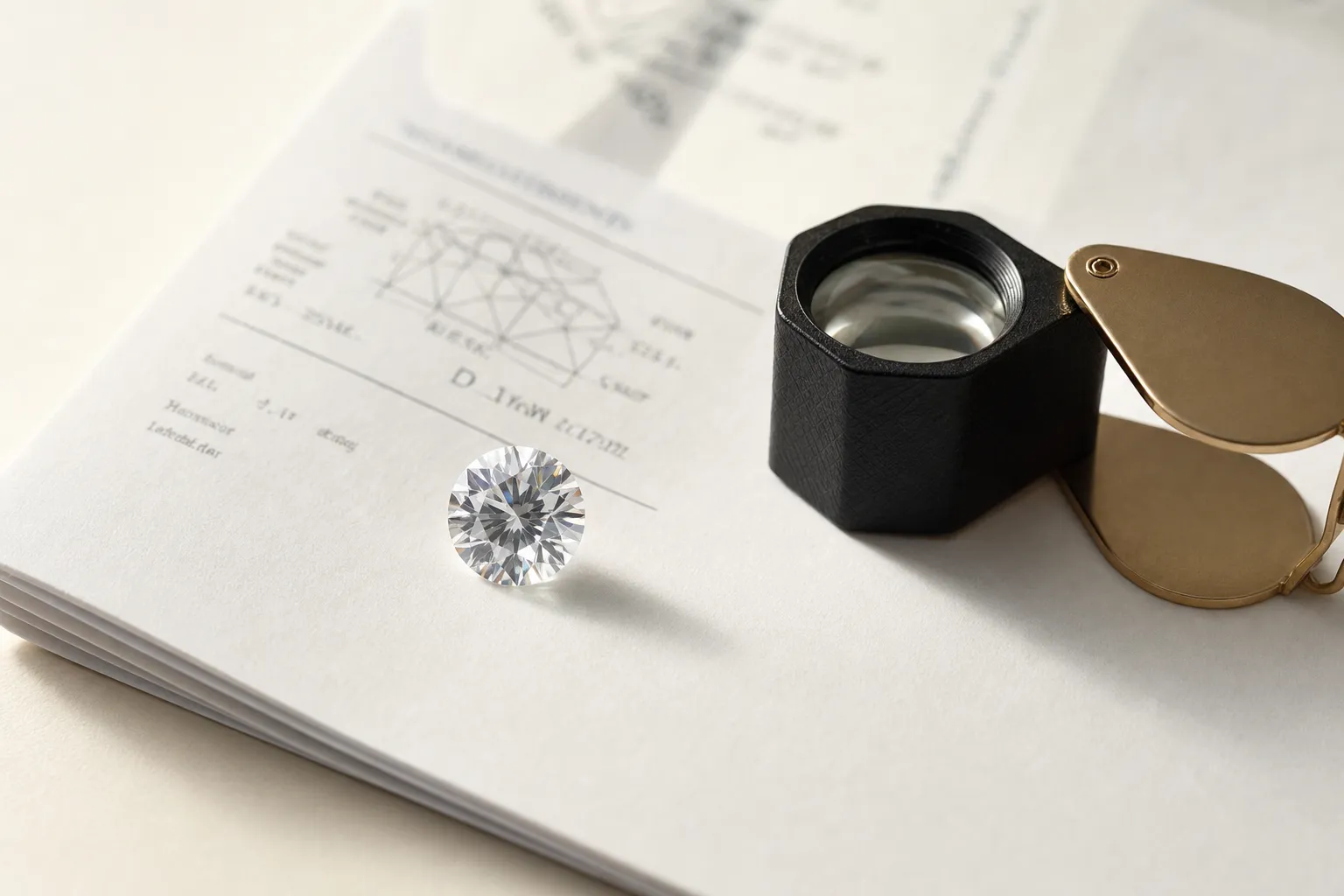
How to check an IGI certificate yourself
Three steps you can do yourself in a few minutes, at the atelier or at home.
Look up the report number
Enter the number from the card at igi.org under 'Verify a Report'. The database shows the values on file for that stone, carat, colour, clarity and cut, so you can compare them against your card.
Find the laser inscription on the girdle
Grab a loupe or your phone's macro mode and look at the narrow edge of the stone, the girdle. On most IGI-graded diamonds you'll find the same number as on the report, inscribed there in tiny letters.
Compare the plot with the stone
The plot on the report shows the position of tiny inclusions as symbols. Under a loupe you can often find these same points on the real stone. If plot and stone match, you have confirmation that the report belongs to that diamond.
IGI or GIA: what's the difference
Both labs are reputable, they simply set different priorities.
| IGI | GIA | |
|---|---|---|
| Focus | Widely used for lab-grown diamonds and in trade | The historic standard for natural diamonds |
| Reach | Worldwide, many locations, also reachable from Switzerland | Worldwide, less often directly on the ground in Switzerland |
| Grading | Solid, broadly accepted in the trade | Considered particularly strict and conservative |
| At émin | Standard for our lab-grown diamonds | Available on request for natural diamonds |
For both: a certificate is only as good as the lab that issues it. IGI and GIA are among the most recognised labs worldwide.
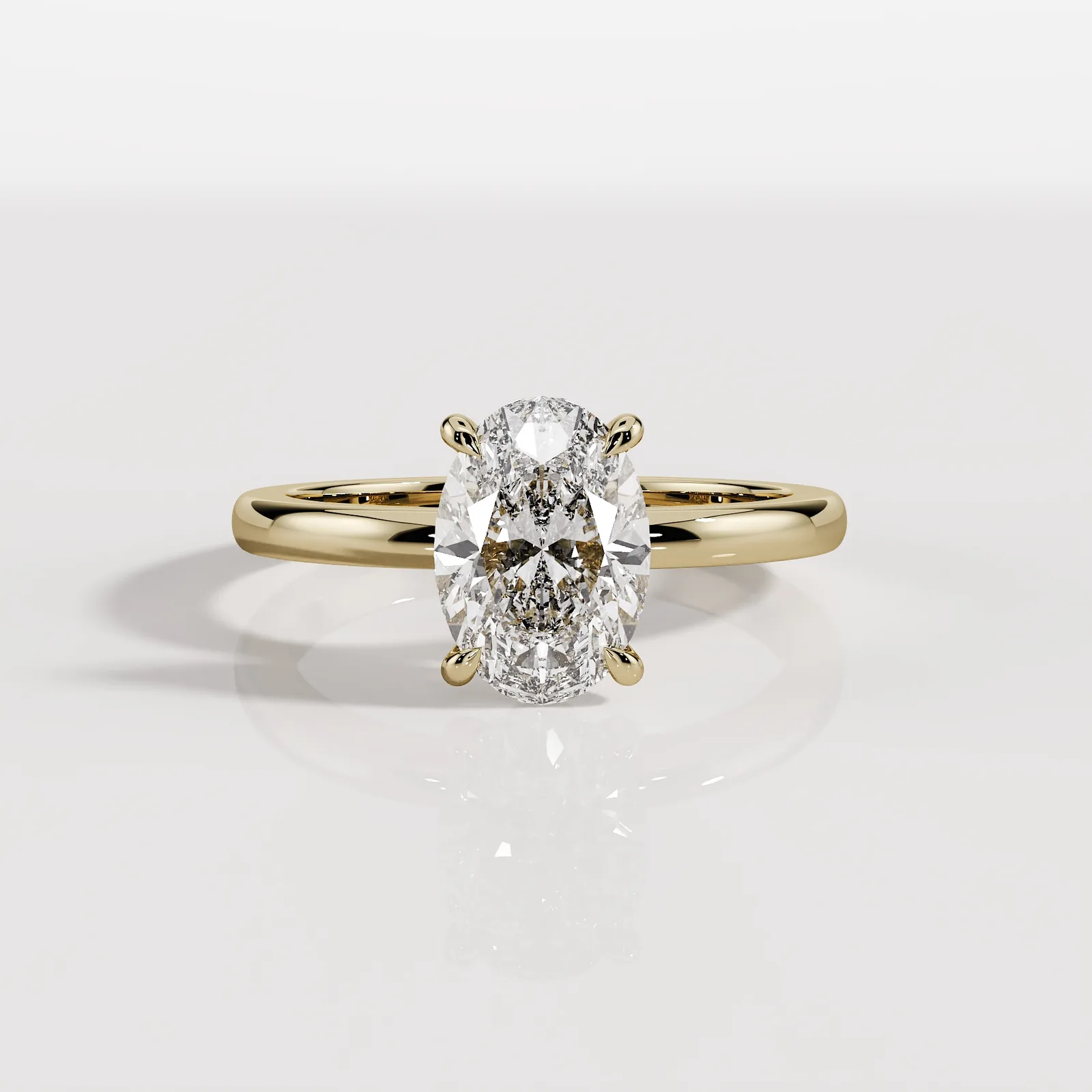
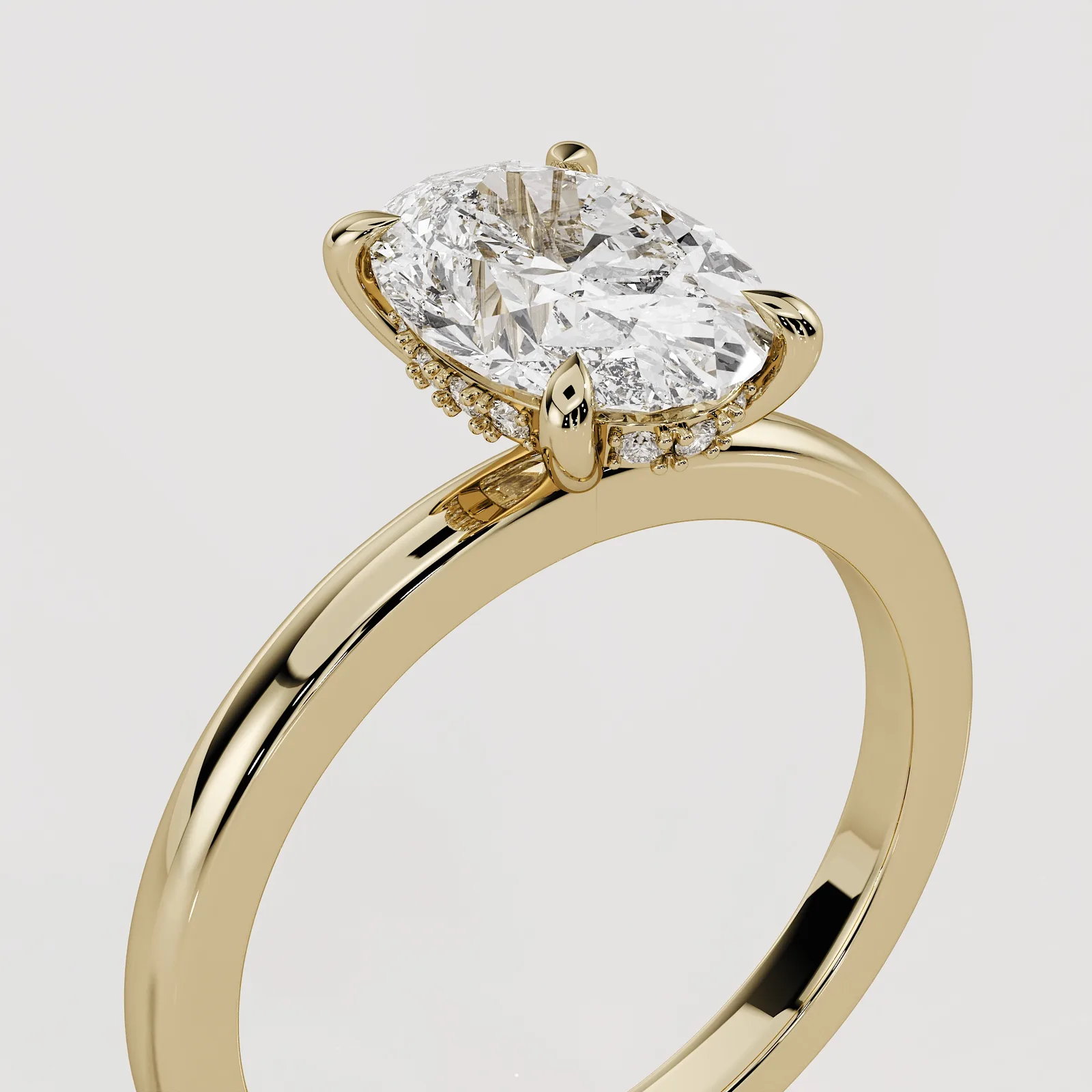
Rings with a certified stone
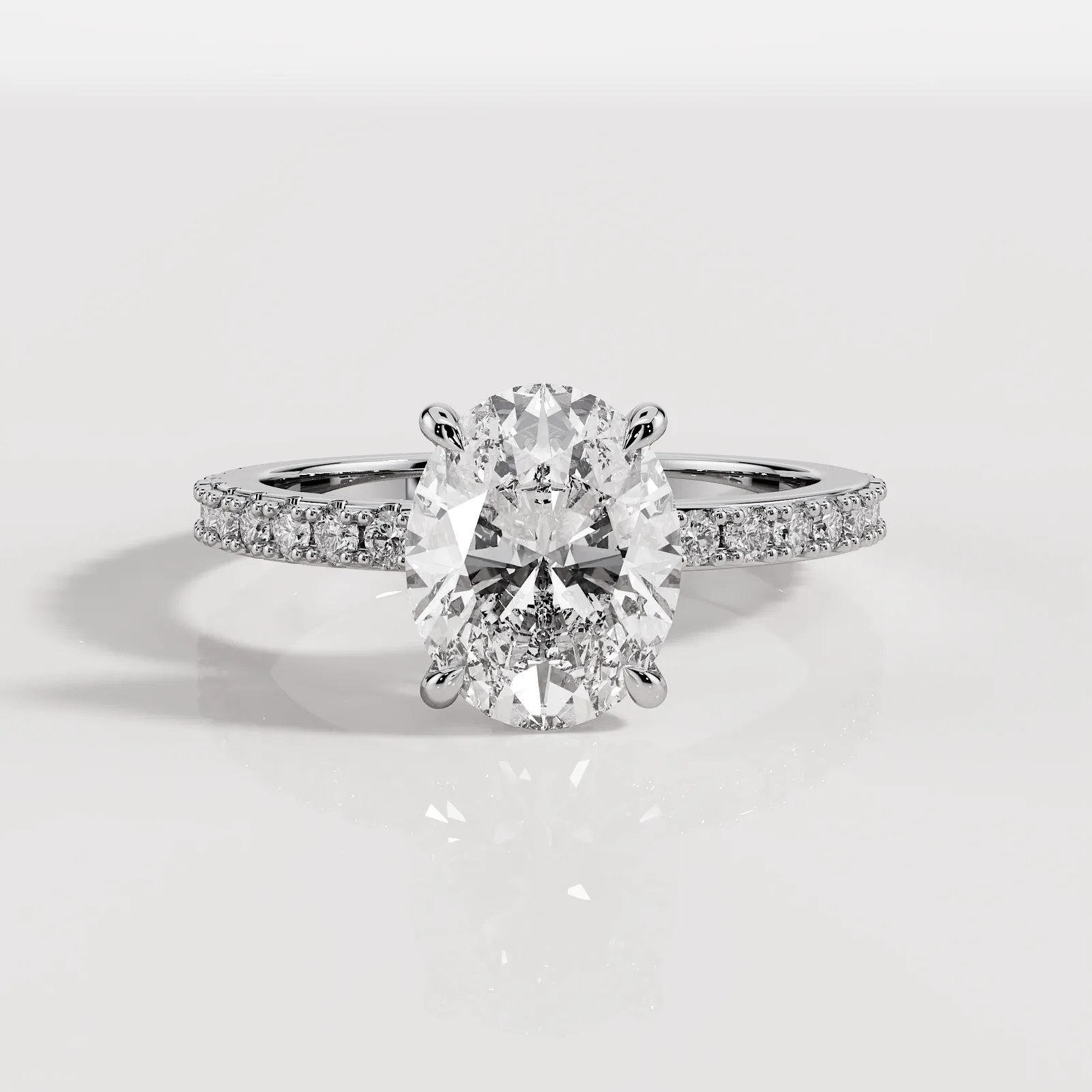
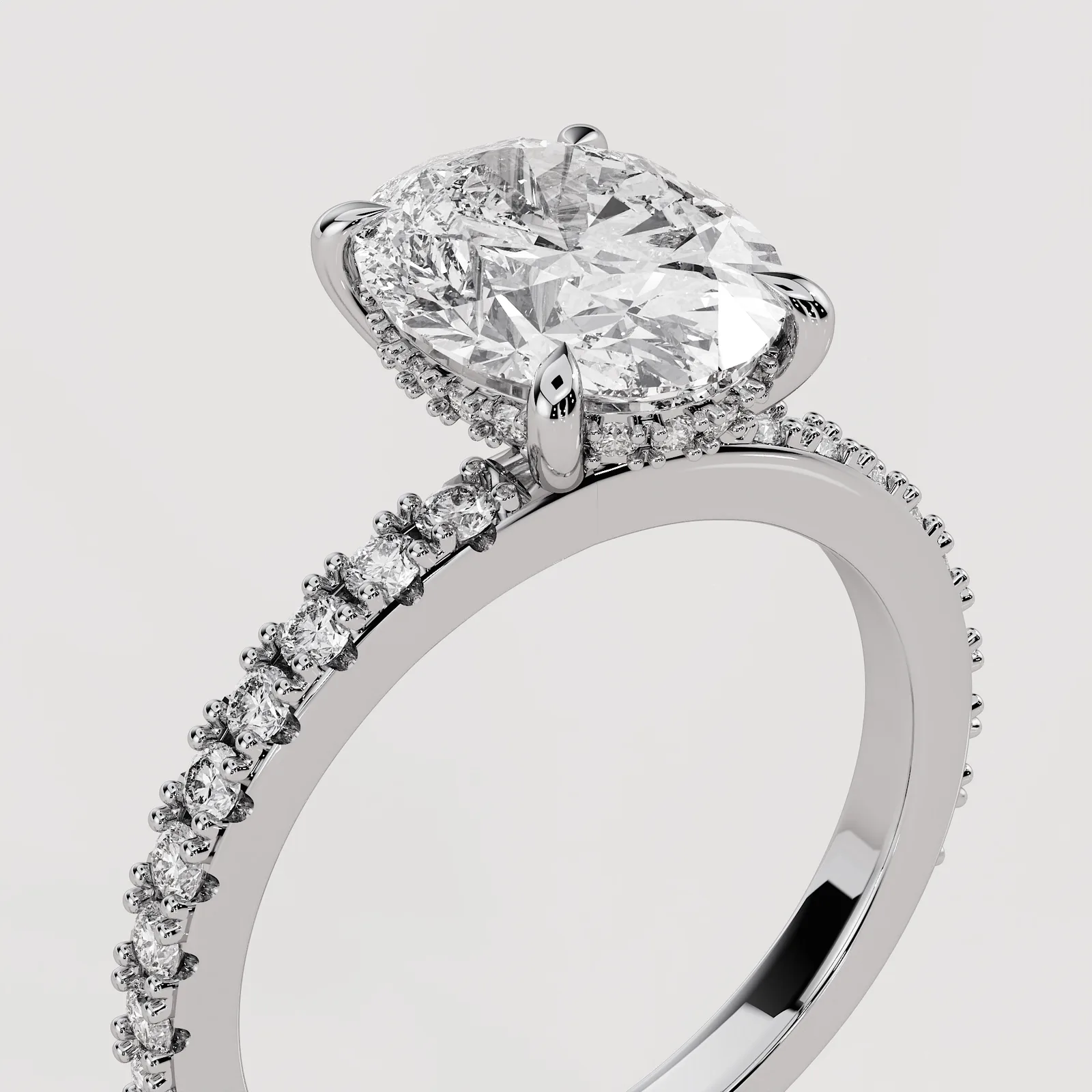
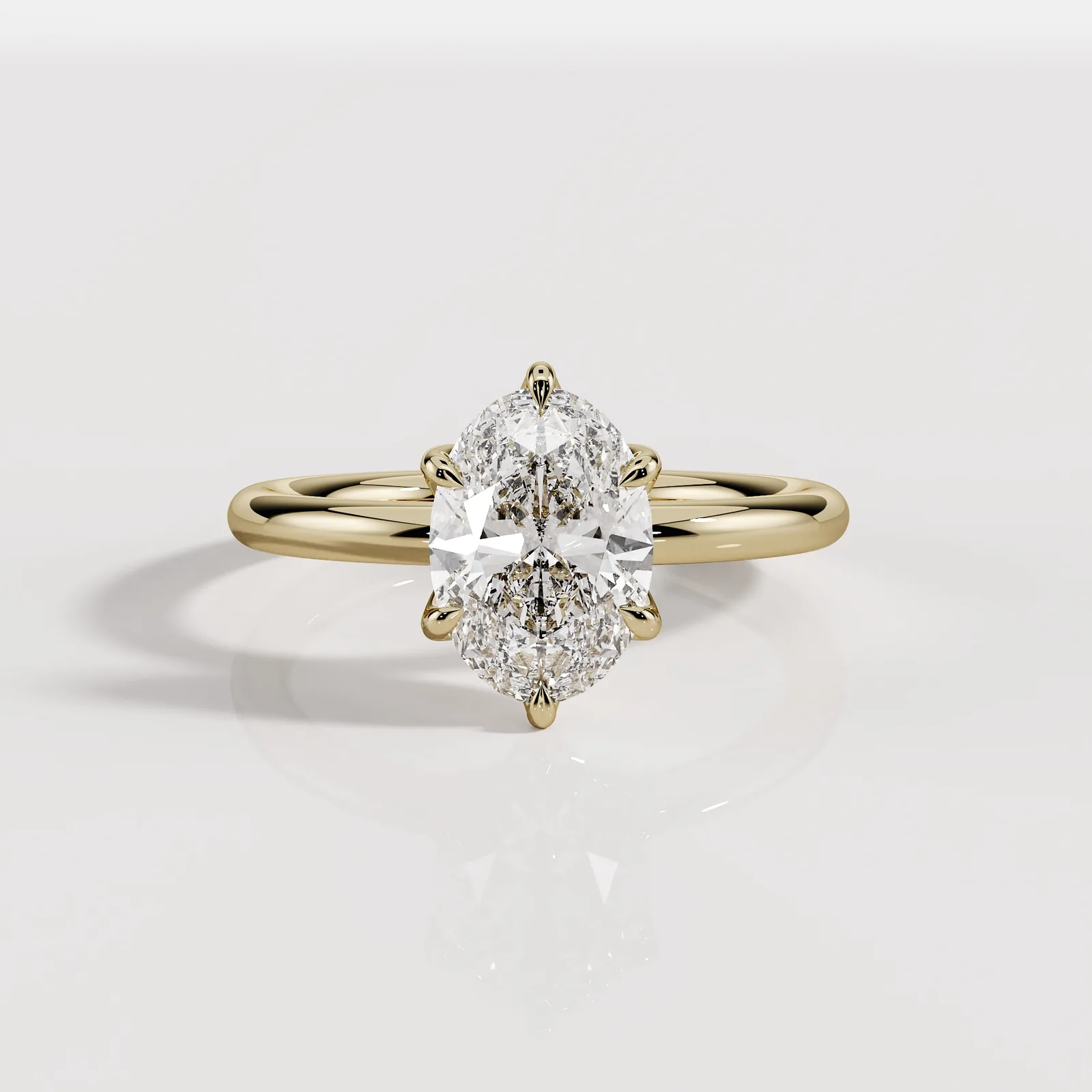
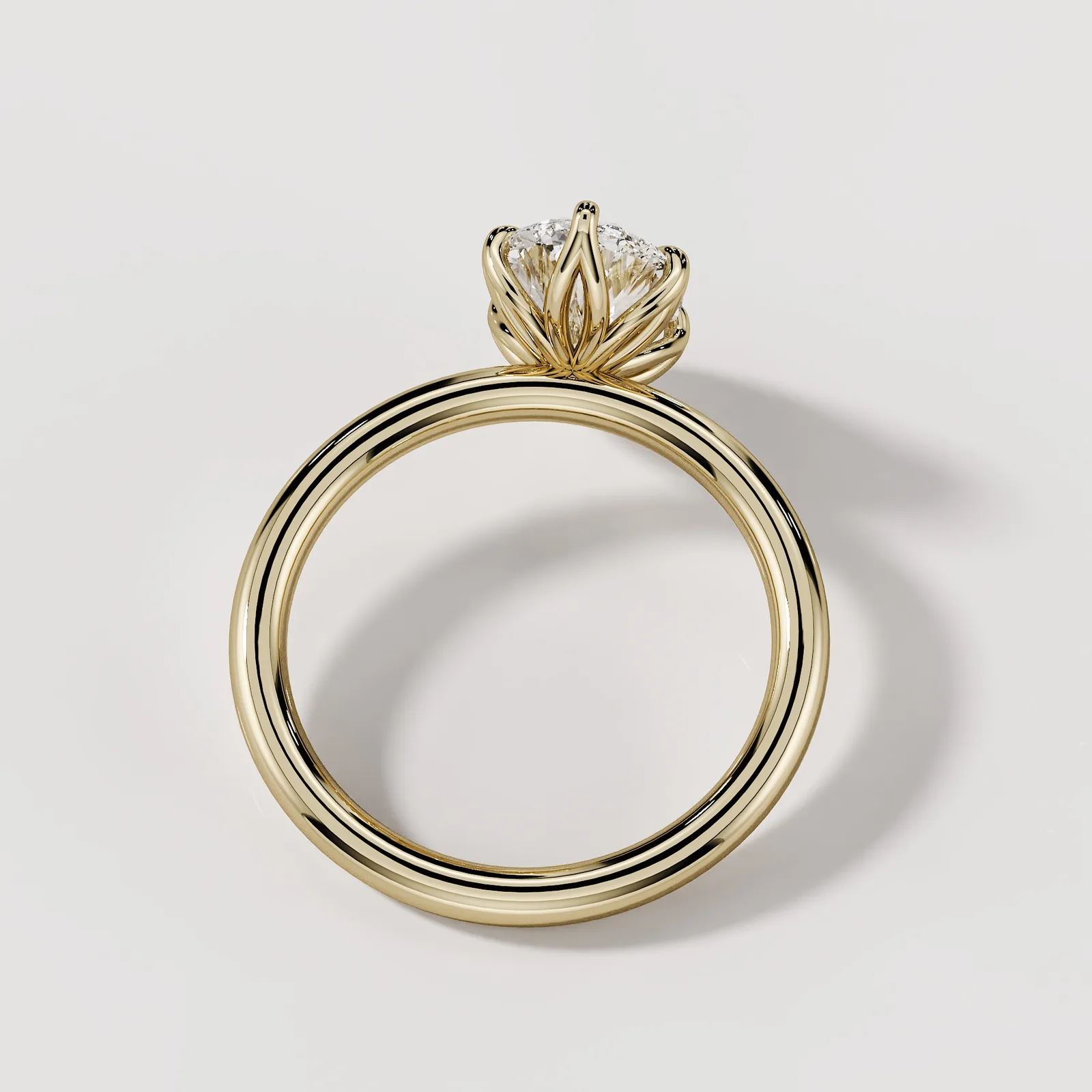
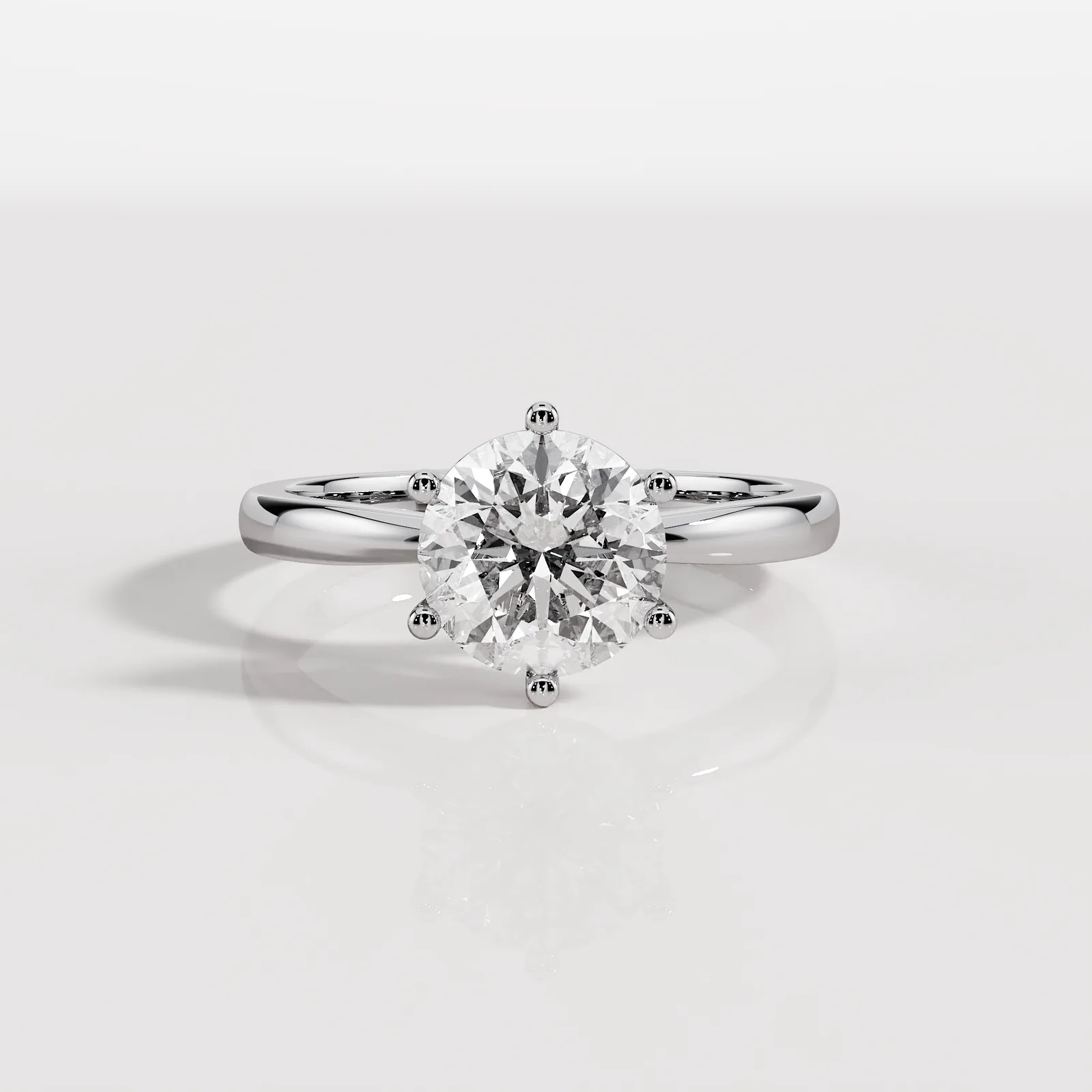
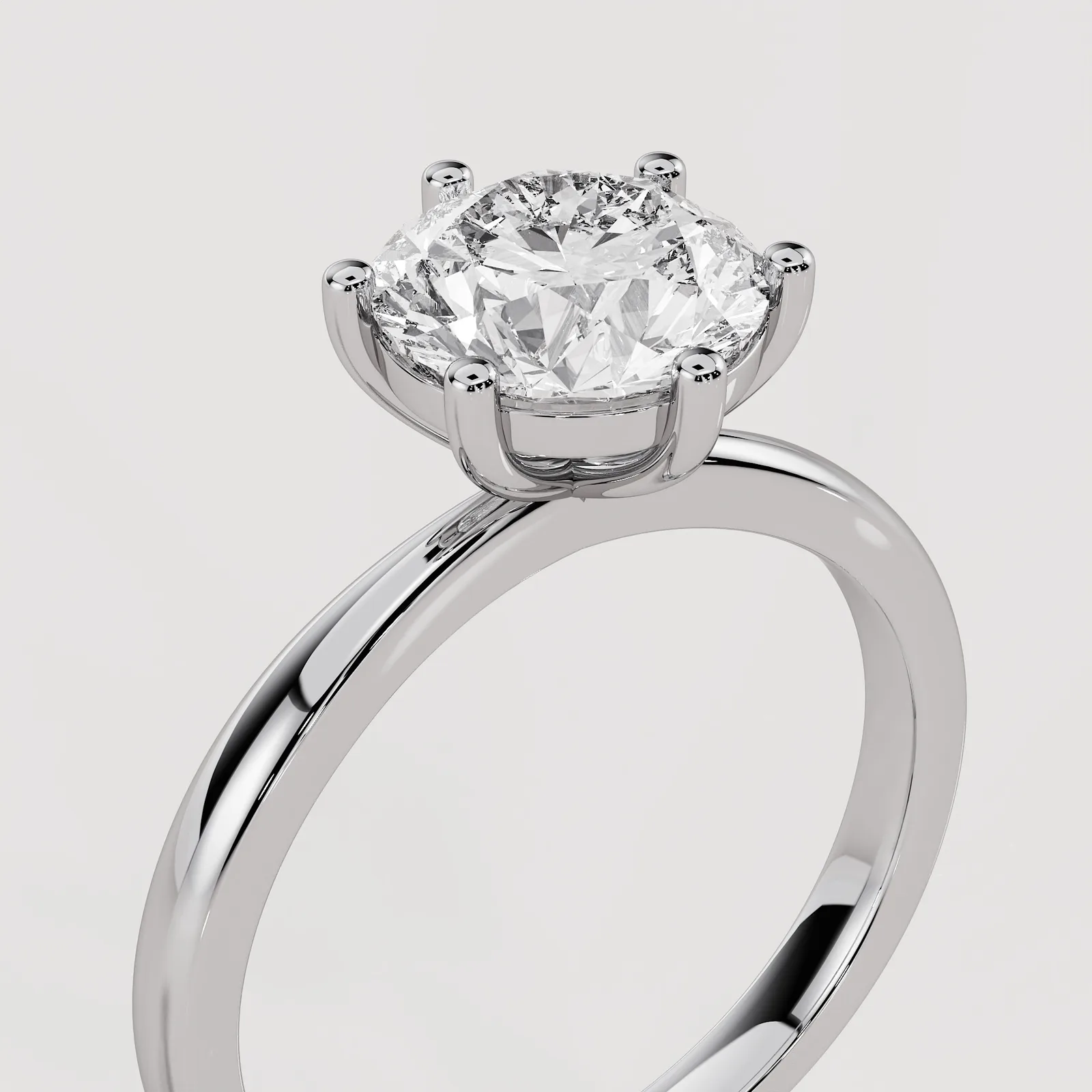
Every model in our collection can be combined with a certified lab-grown or natural diamond.
What a certified diamond costs
Guide prices for a 1-carat stone, the certificate is included at émin.
Price depends on the work involved. We calculate openly, no surprises.
Guide prices, as of 2026, incl. VAT. The exact price depends on stone, metal and work.
Frequently asked questions
Both labs are independent and internationally recognised. GIA has been the standard for natural diamonds for decades and tends to grade slightly more strictly, IGI is today the most widely used lab for lab-grown diamonds. What matters most for your ring is that an independent certificate exists at all, not just the name of the lab.
The number is printed clearly on the report card, and it's often additionally laser-inscribed, tiny, on the diamond's girdle, the narrow edge of the stone. With a loupe or your phone's macro mode you can usually find the inscription within a few minutes, and we're happy to show it to you at the atelier too.
The plot is a small drawing of the diamond from above and from the side, with symbols marking tiny inclusions and their position inside the stone. That way anyone who examines the stone later can check whether it truly matches the report, without having to fully re-grade the diamond.
Every diamond above a certain size automatically comes with an independent certificate, usually IGI, GIA on request. Smaller stones, for example in a pavé band, are usually not individually certified for practical reasons, which is standard in the trade, and we explain that openly in the consultation.
At émin the certificate is already included in the price of your diamond, you don't pay for it separately. When you buy a stone from us, the matching report comes with it automatically, whether lab-grown or natural.
Yes, the igi.org database is publicly accessible. You enter the report number under 'Verify a Report' and see the values on file for that stone. This also works for certificates you didn't buy from us, for example on an inherited ring or a second-hand stone.
Bring it into the atelier and we'll take a look together. Often a stone can be certified afterwards, which takes anywhere from a few days to a few weeks depending on the lab. We tell you honestly whether it's worth it for your stone before you spend any money on it.
Quick enquiry
Questions about your certificate?
Tell us which stone or certificate you have. We'll take a look and get back to you within one working day.