
Platinum
Engagement rings in platinum: heavy, pure, white for life
A platinum engagement ring feels different the moment you hold it: noticeably heavier, denser, more substantial. Platinum is by far the purest of the four metals we offer at émin, and it stays naturally white with no rhodium layer at all.
We design platinum rings in 950 purity, the standard for fine jewellery, and show you at the atelier how the weight feels on your hand compared to gold. We build your ring to measure, fitted exactly to your hand and your ideas.
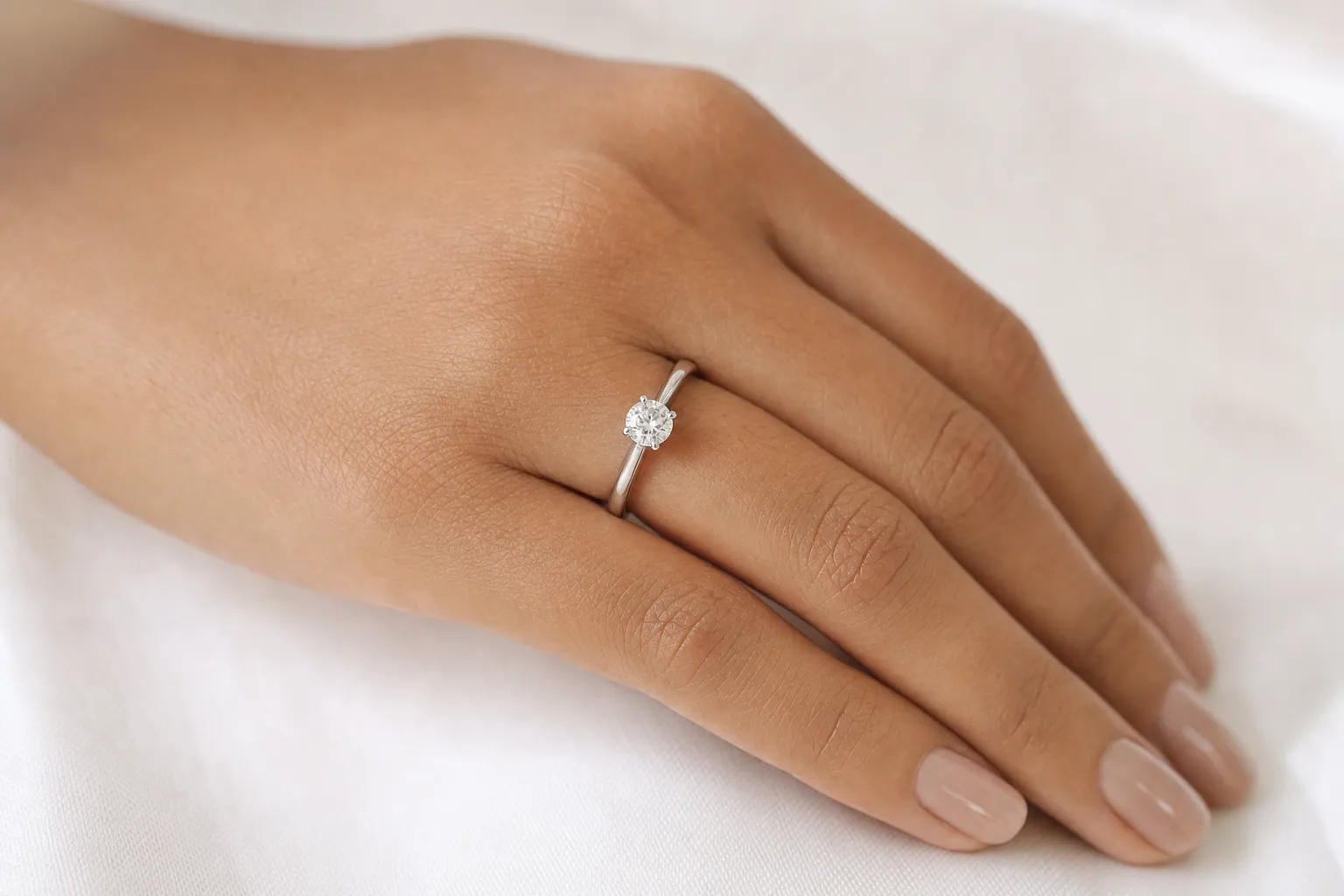
What platinum means for your ring
Colour and skin tone
Platinum has a natural, cool white that suits practically any skin tone and makes diamonds look very clear and pure. Unlike white gold, the tone never changes over the years, because there's no plating to wear away.
Alloy: platinum 950
In jewellery, platinum 950 means 95 percent pure platinum, noticeably more than gold in 18k or 14k alloy. That high purity is what makes platinum heavier, denser and especially gentle on the skin.
Everyday wear
Platinum holds its shape extremely well and barely loses any material to scratches, the metal simply shifts slightly rather than wearing away. For a ring worn every day and expected to take a lot, that's a clear advantage.
Why platinum is the premium choice among metals
Platinum is the heaviest and purest metal in our collection, and you notice it immediately: a ring in platinum feels more substantial than the same ring in gold. Because the metal is so stable, it holds diamond settings especially securely, which makes it a popular choice for larger or more valuable stones.
The price is correspondingly higher than gold, mainly because of the greater weight per ring and the rarity of the metal. If you're unsure whether the extra cost is worth it for you, we show you platinum right next to white gold, which looks visually similar but costs less.
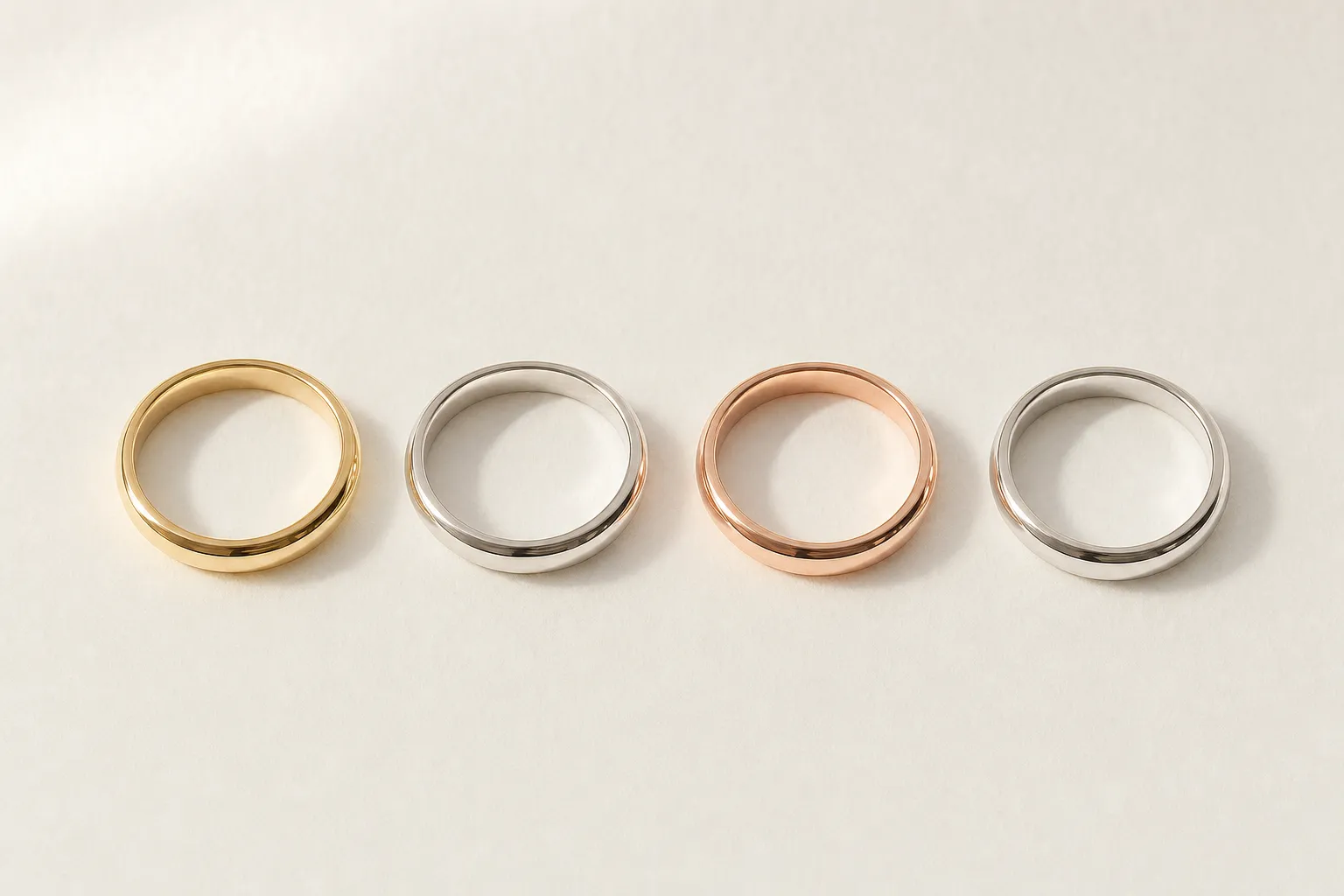
Platinum, yellow gold, white gold or rose gold: the differences
All four metals work well for an engagement ring. This overview shows the key differences at a glance.
| Metal | Colour | Hardness / scratches | Care | Allergies | Price level |
|---|---|---|---|---|---|
| Platinum | Natural cool white | Very stable, no material lost when scratched | Simple, occasional re-polish | Best tolerated | High |
| Yellow gold | Warm yellow | Softer, fine wear marks over time | Occasional professional polish | Very well tolerated | Medium |
| White gold | Cool white from rhodium plating | Hard thanks to palladium alloy | Rhodium re-plating every 1 to 3 years | Well tolerated (palladium, not nickel) | Medium |
| Rose gold | Warm pink | Harder thanks to copper content | Simple, no coating needed | Well tolerated, rare copper sensitivity | Medium |
Price level is a rough guide, the exact price always depends on the setting and stone, not only the metal.
Keeping your platinum ring looking its best for life
Platinum is the lowest-maintenance of the four metals.
Wear it normally
Platinum handles everyday life without worry, showering or washing your hands won't harm the metal. Scratches only shift material, nothing is lost, unlike with softer metals.
Let it patina, or have it re-polished
Over time platinum develops a fine, silky patina from small marks of everyday use, many people love this matured look. If you'd rather keep a permanent high shine, a goldsmith can re-polish the ring easily.
Have the setting checked occasionally
Because platinum is often chosen for larger or more valuable stones, it's worth having the setting checked by a goldsmith now and then, especially after many years of daily wear. It only takes a few minutes.
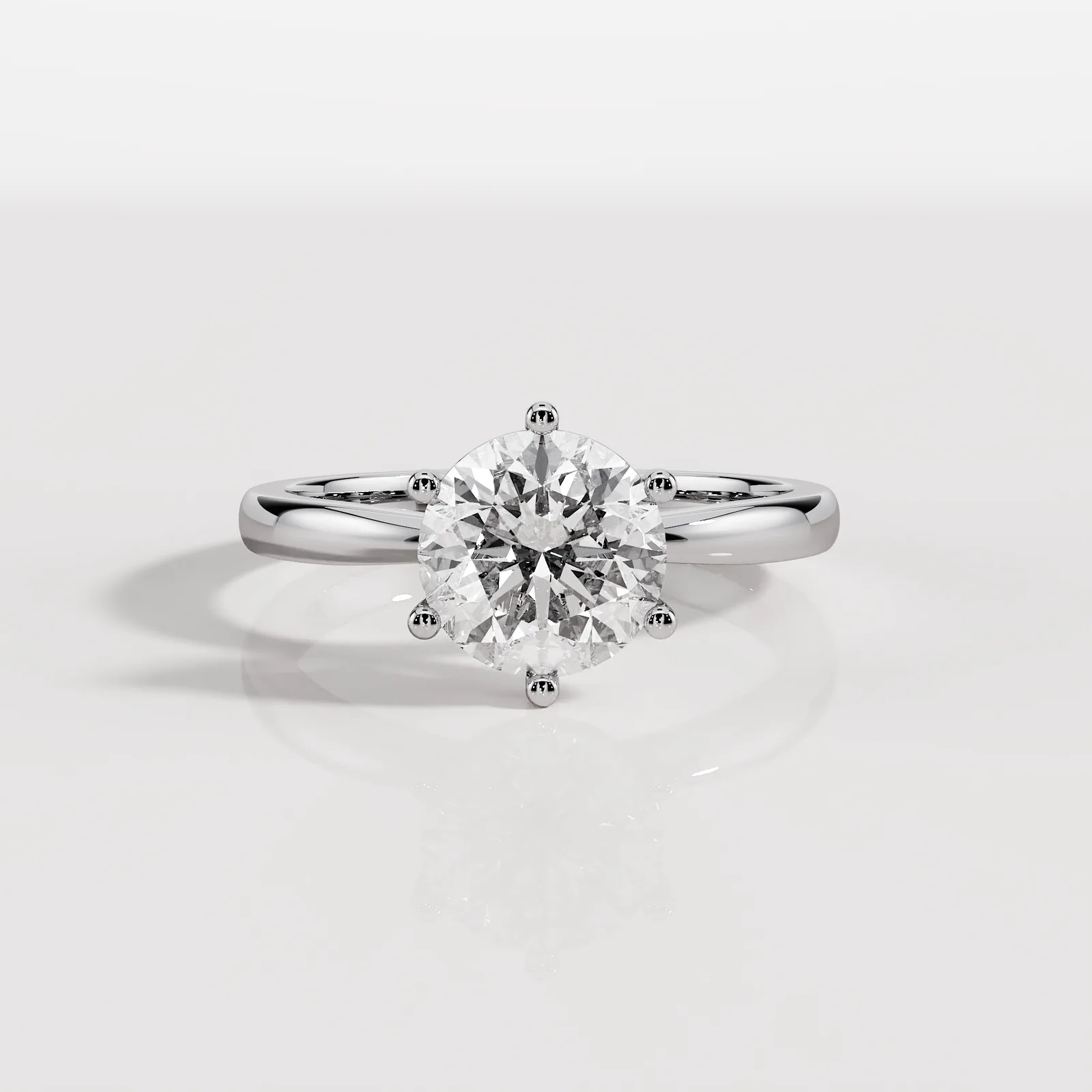
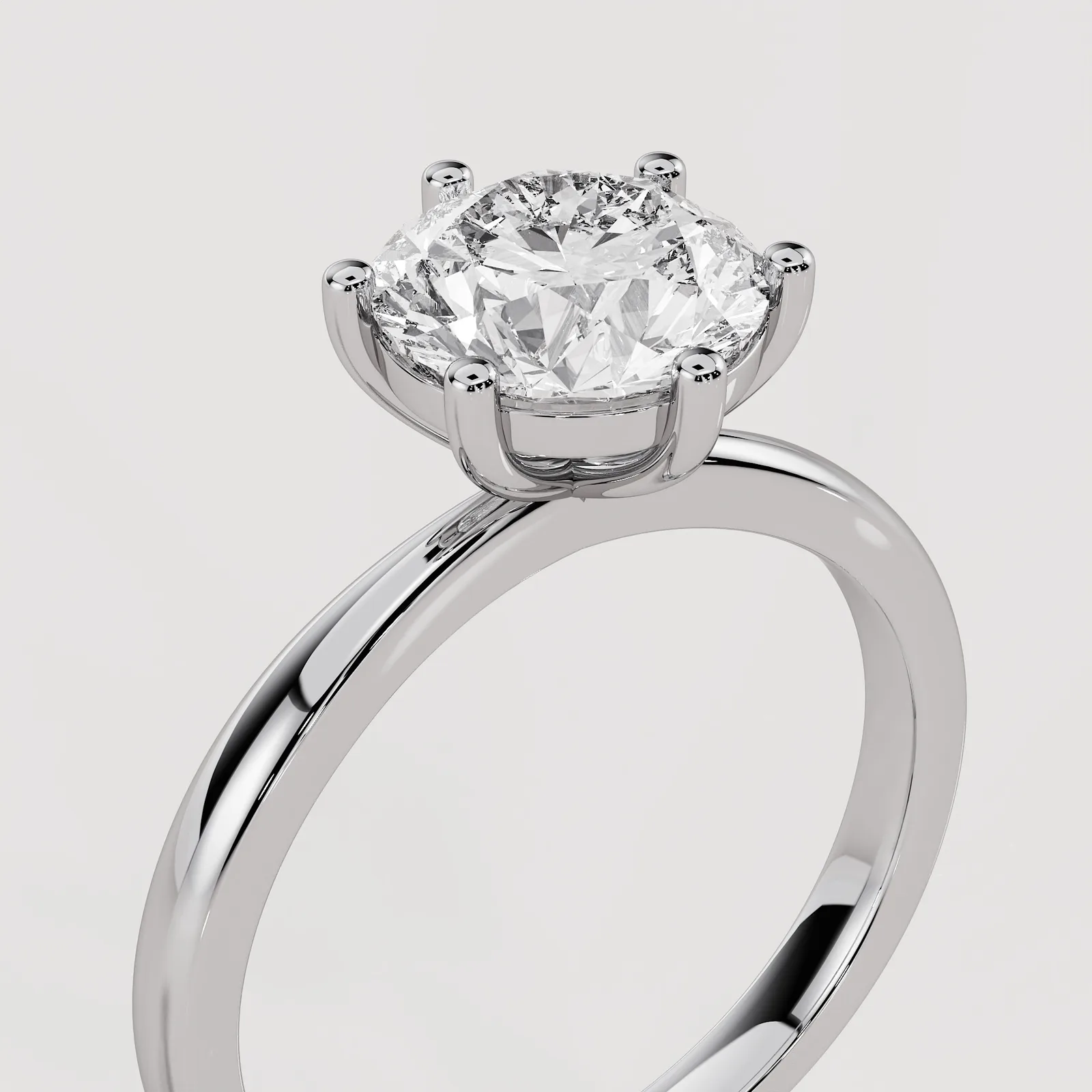
Models in platinum from our collection
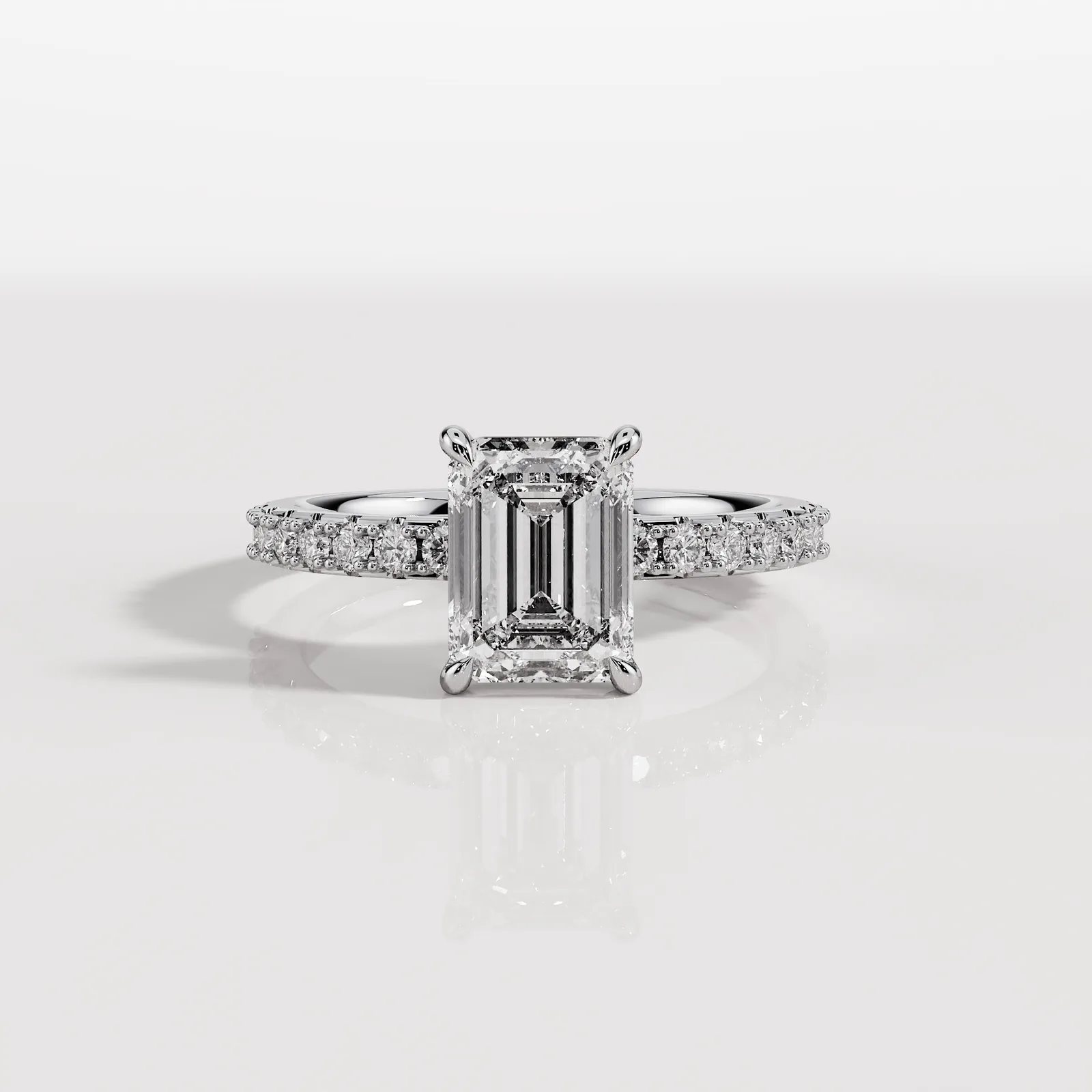
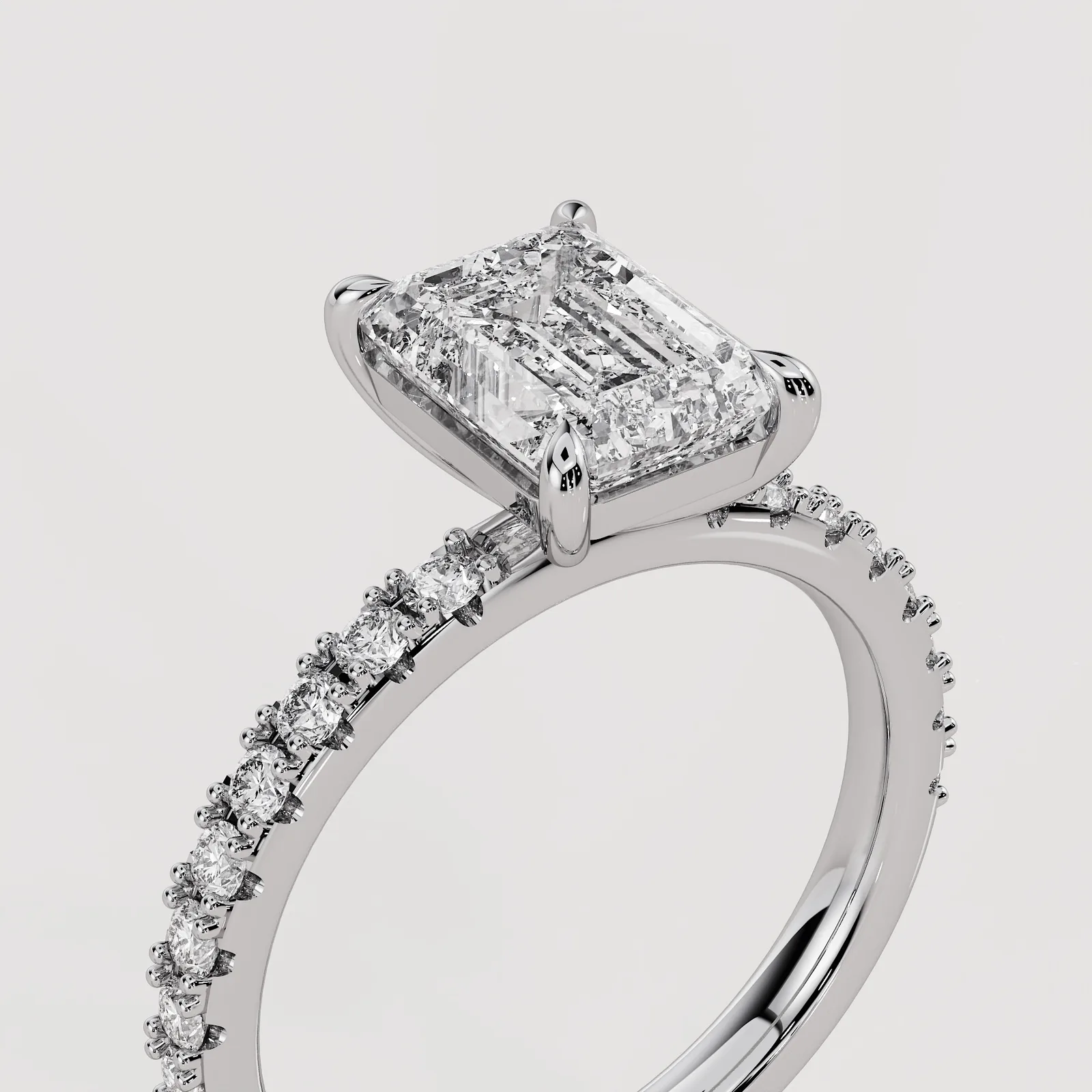
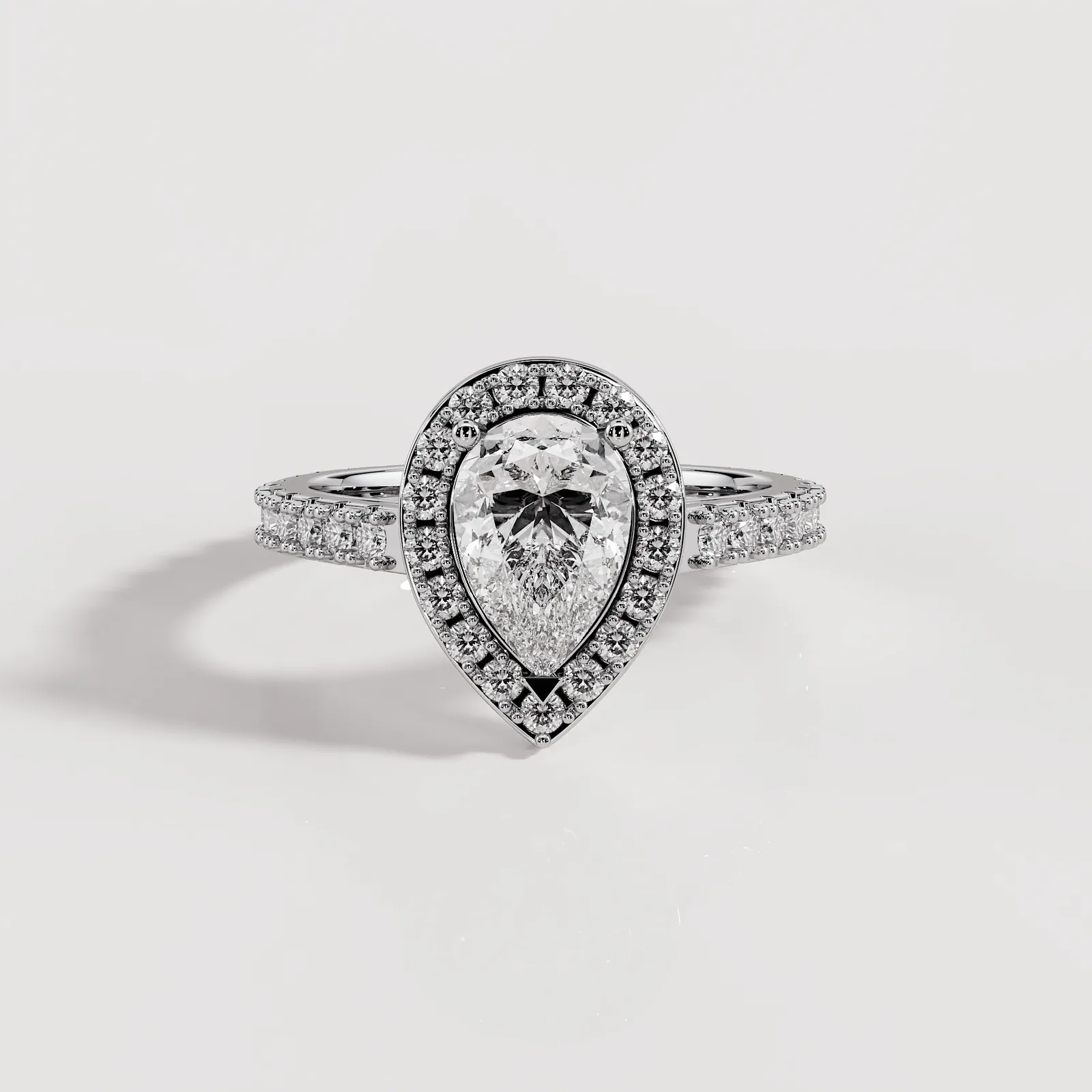
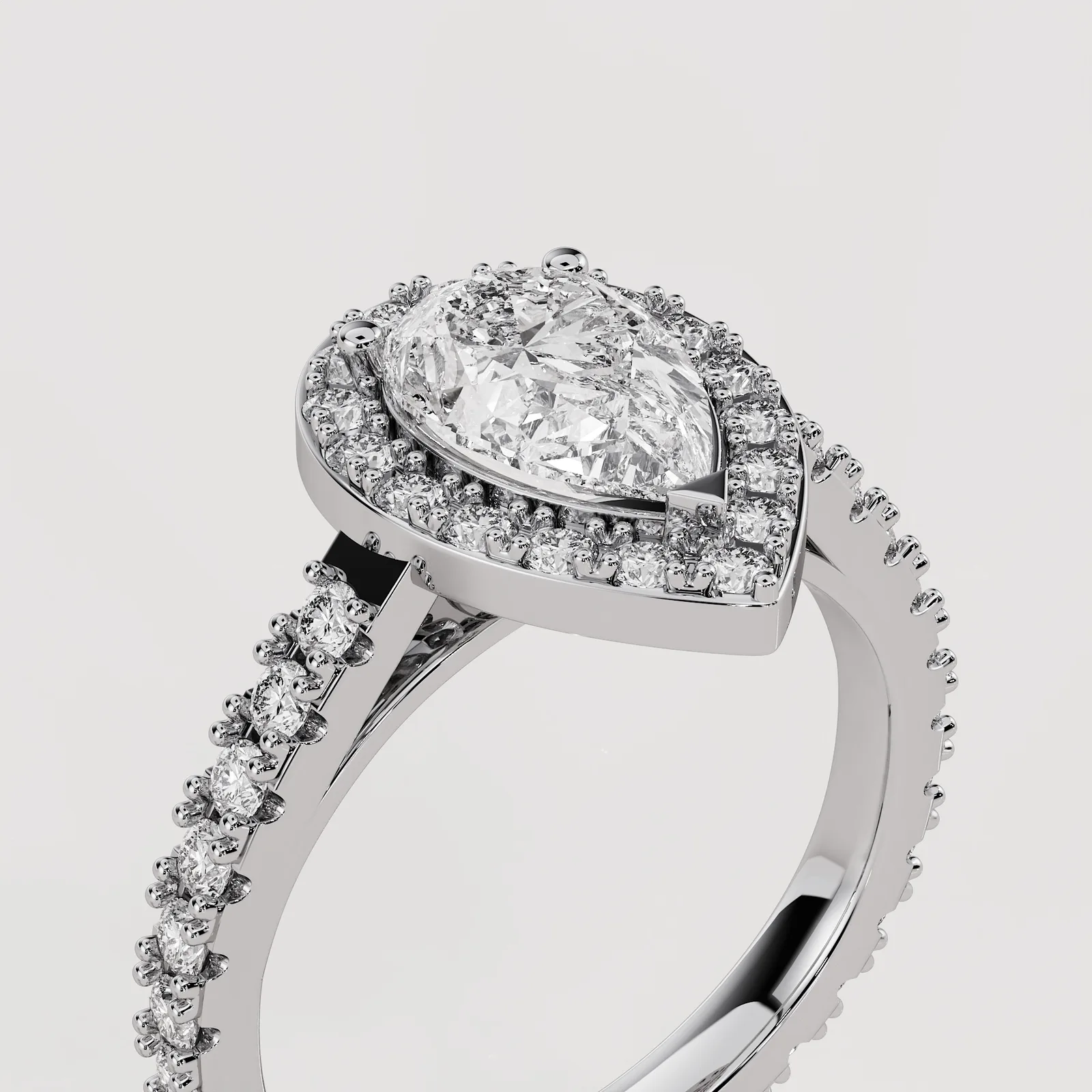
A selection of our rings in platinum. Every other model in our collection can also be made in platinum.
What a platinum engagement ring costs
Guide prices so you can get your bearings. We always discuss the exact price in person.
Price depends on the work involved. We calculate openly, no surprises.
Guide prices, as of 2026, incl. VAT. The exact price depends on stone, metal and work.
Frequently asked questions
Yes, we work by appointment only, in person in Zurich District 4 or by video. That way you can feel the weight of platinum against gold calmly, without other clients waiting. Booking takes a few minutes online, and a first conversation usually takes about an hour.
Platinum is denser than gold, so a platinum ring weighs noticeably more than the same ring in gold at the same size, and more weight means more metal and higher cost. Platinum is also rarer than gold and harder to work with, since it has a higher melting point. Together, that explains the higher price.
No, platinum is naturally white and needs no rhodium layer the way white gold does. That's one of its biggest practical advantages: you never have to worry about re-plating, the tone stays unchanged for decades.
Yes, of the four metals platinum is considered the most tolerated, because at 95 percent purity it contains almost no other metals that could trigger a reaction. For people with allergies, platinum is often the safest choice.
Unlike gold, a scratch doesn't remove any material, the metal simply shifts, and over time a fine, matte patina develops. If you'd rather keep a permanent high shine, you can have the ring re-polished by a goldsmith at any time, quite easily.
A complete solitaire with a 1 carat lab-grown diamond in a classic prong setting, in platinum, starts from CHF 1'900. For larger or heavier rings, platinum is often noticeably more expensive than yellow, white or rose gold, because the metal is heavier and rarer. We calculate the exact price openly during your consultation.
Quick enquiry
Ready for your ring in platinum?
Send us a short message about what you have in mind. We'll give you honest advice on platinum versus gold and suggest an appointment, in Zurich or by video.