
White gold
Engagement rings in white gold: cool, modern, honestly explained
A white gold engagement ring has the cool, silvery-white shine many people associate with platinum, just at a different price. At émin we use palladium white gold rather than a nickel alloy, gentle on the skin and still bright white.
Underneath the surface, white gold actually has a slightly warm tone, its bright white comes from a fine layer of rhodium plating. We explain honestly what that means for upkeep before you decide, not after.
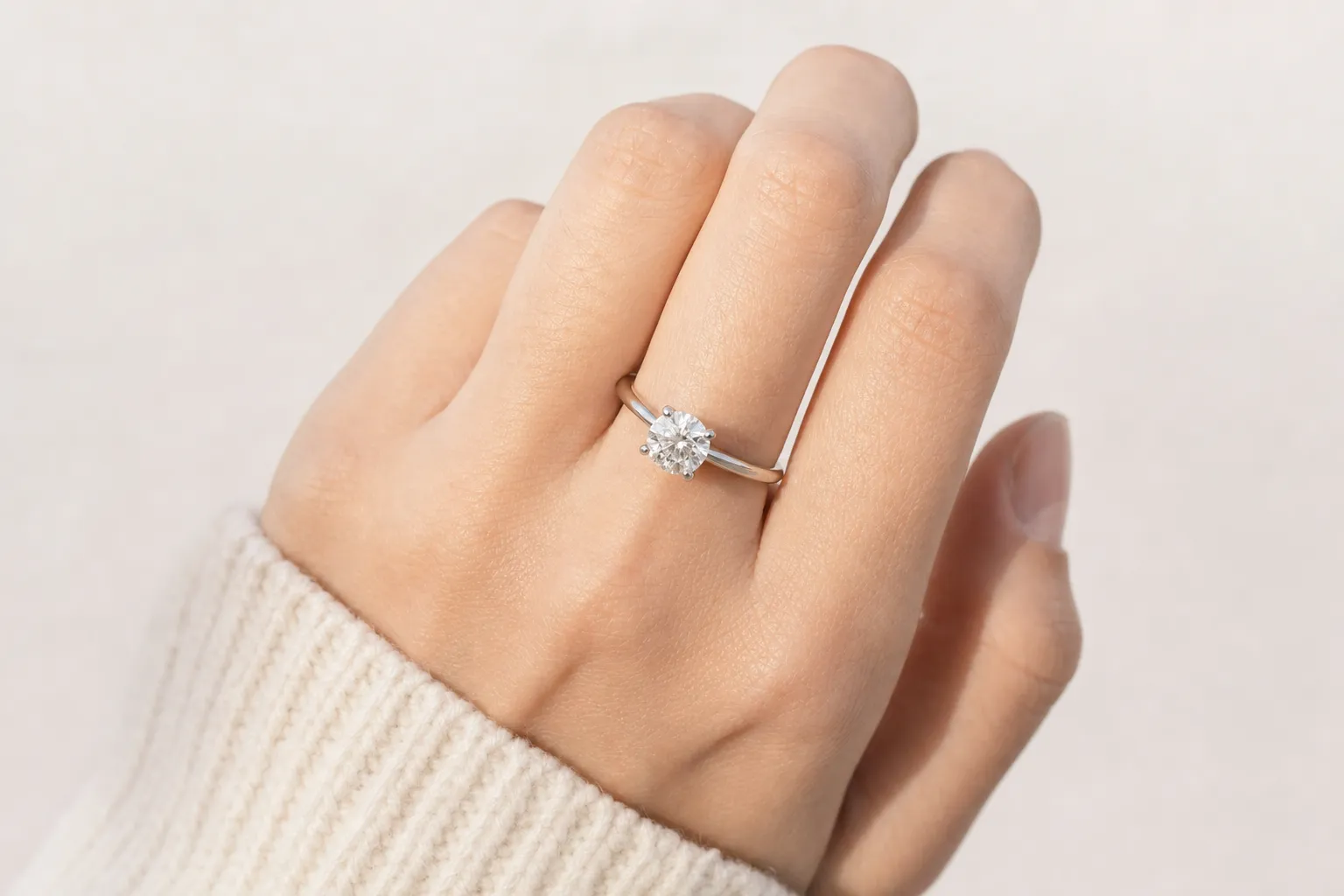
What white gold means for your ring
Colour and skin tone
White gold has a cool, silvery tone that suits fair and cool skin tones especially well and makes diamonds look very clear. It also pairs well with stones that have a slight yellow tint, where cool white often works better than warm gold.
Alloy: palladium white gold
At émin, white gold is alloyed with palladium rather than the nickel once common in the trade. That's noticeably gentler on the skin and still sturdy enough for everyday wear, without the risk of a nickel allergy.
Everyday wear
Thanks to the palladium alloy, white gold is fairly hard and holds its shape well, ideal for a ring worn every day. The white rhodium layer does wear down over time though, more on that below.
White gold, or would another metal suit you better
White gold is popular because it offers the look of platinum at a lower price while still feeling elegant and modern. It suits larger diamonds or very clear stones particularly well, because it doesn't add any colour of its own to the stone.
If you'd rather not refresh the rhodium plating every few years, platinum or yellow gold are lower-maintenance choices in the long run. We show you all four metals side by side on your hand at the atelier, so you can compare calmly before deciding.
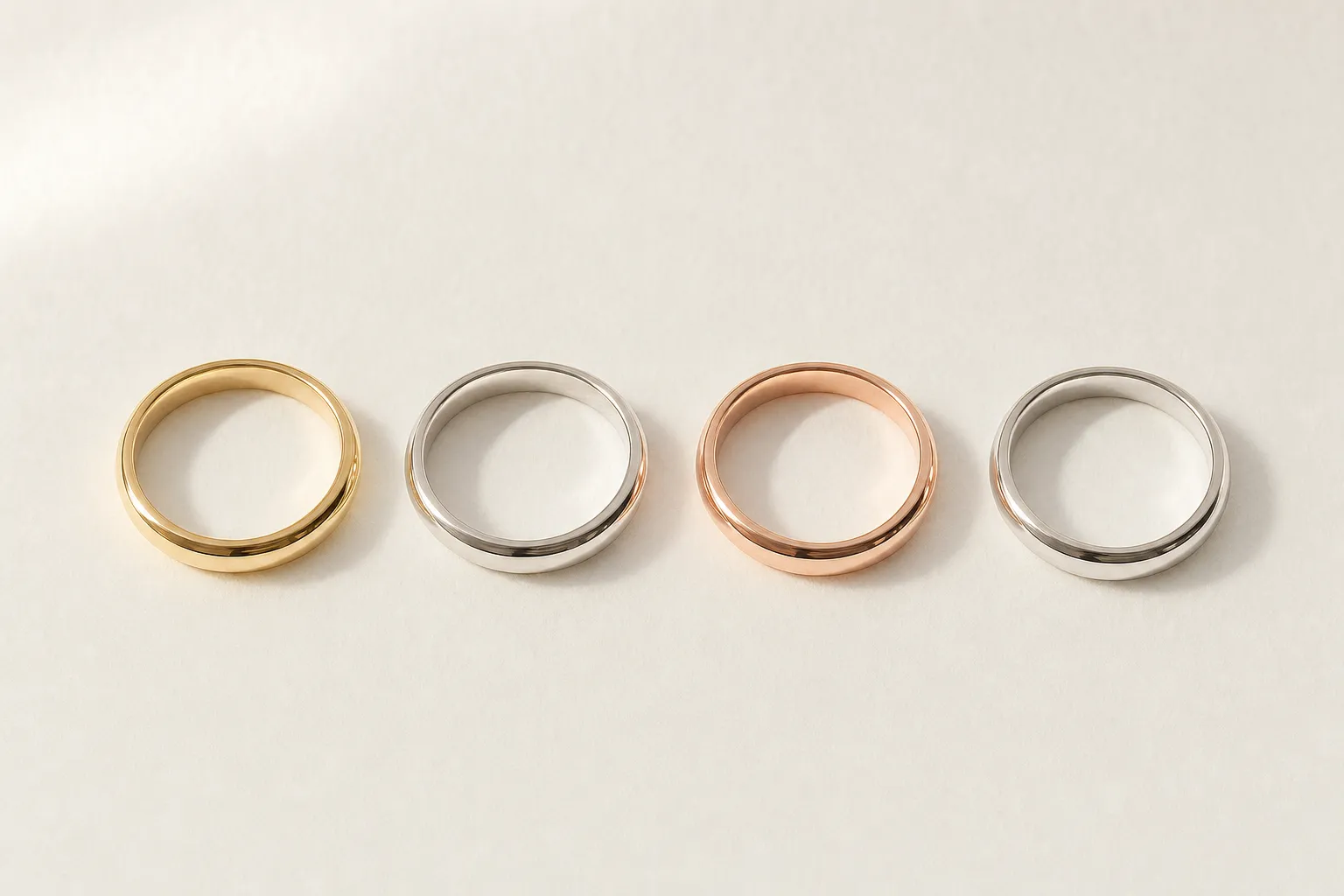
White gold, yellow gold, rose gold or platinum: the differences
All four metals work well for an engagement ring. This overview shows the key differences at a glance.
| Metal | Colour | Hardness / scratches | Care | Allergies | Price level |
|---|---|---|---|---|---|
| White gold | Cool white from rhodium plating | Hard thanks to palladium alloy | Rhodium re-plating every 1 to 3 years | Well tolerated (palladium, not nickel) | Medium |
| Yellow gold | Warm yellow | Softer, fine wear marks over time | Occasional professional polish | Very well tolerated | Medium |
| Rose gold | Warm pink | Harder thanks to copper content | Simple, no coating needed | Well tolerated, rare copper sensitivity | Medium |
| Platinum | Natural cool white | Very stable, no material lost when scratched | Simple, occasional re-polish | Best tolerated | High |
Price level is a rough guide, the exact price always depends on the setting and stone, not only the metal.
Honest about rhodium plating
White gold isn't naturally bright white. The alloy itself has a slightly warm, sometimes faintly grey undertone, the bright white finish comes from a very thin layer of rhodium plating on the surface. That layer wears down with everyday use, hand washing, friction and normal wear, usually within 1 to 3 years depending on how often the ring is worn. The ring then looks a little warmer and less shiny, that's not a fault, it's completely normal for white gold. Re-plating is a simple job for a goldsmith, and we offer it at émin too. If you'd rather avoid that upkeep altogether, platinum or yellow gold suit you better, and we'll tell you that honestly rather than leave it out.
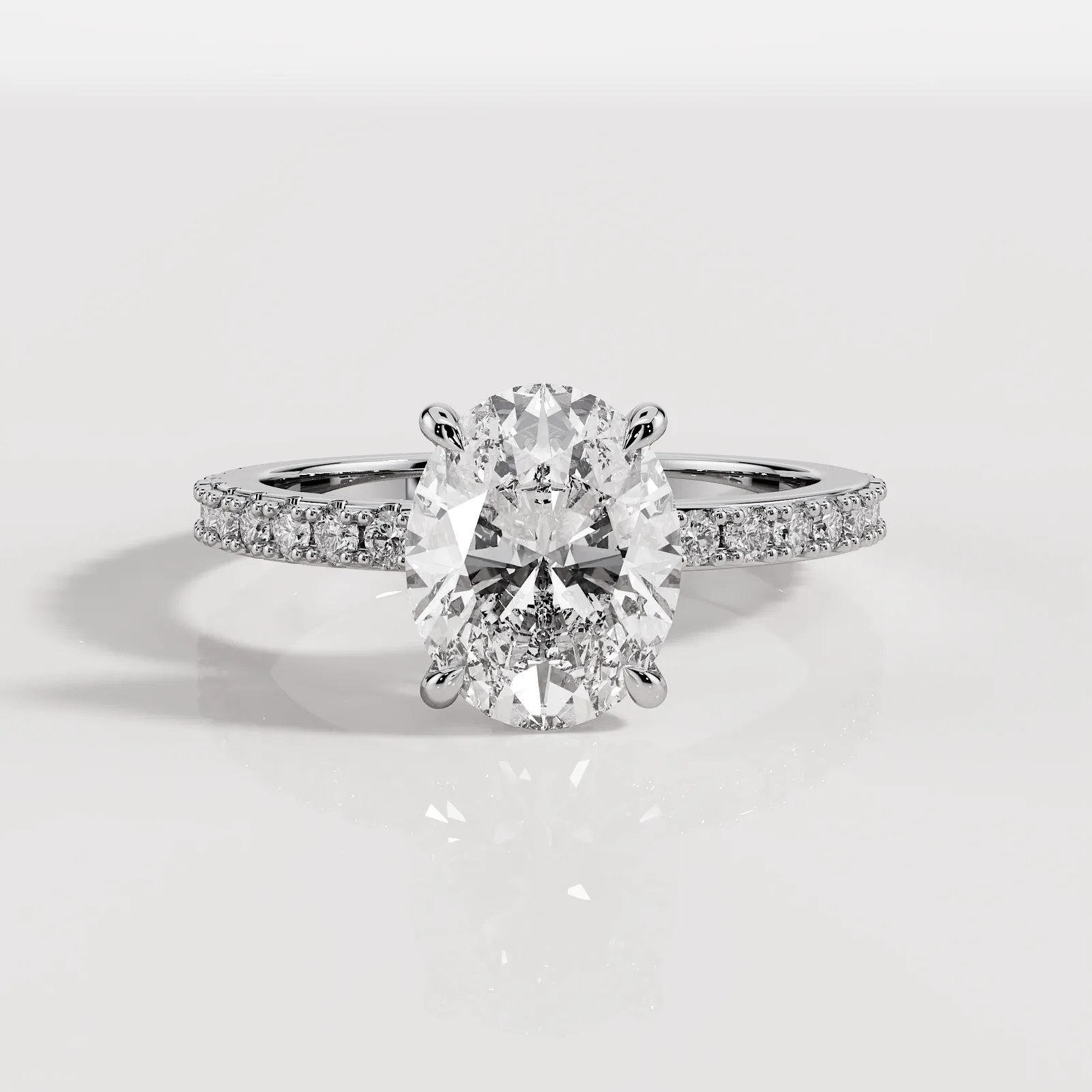
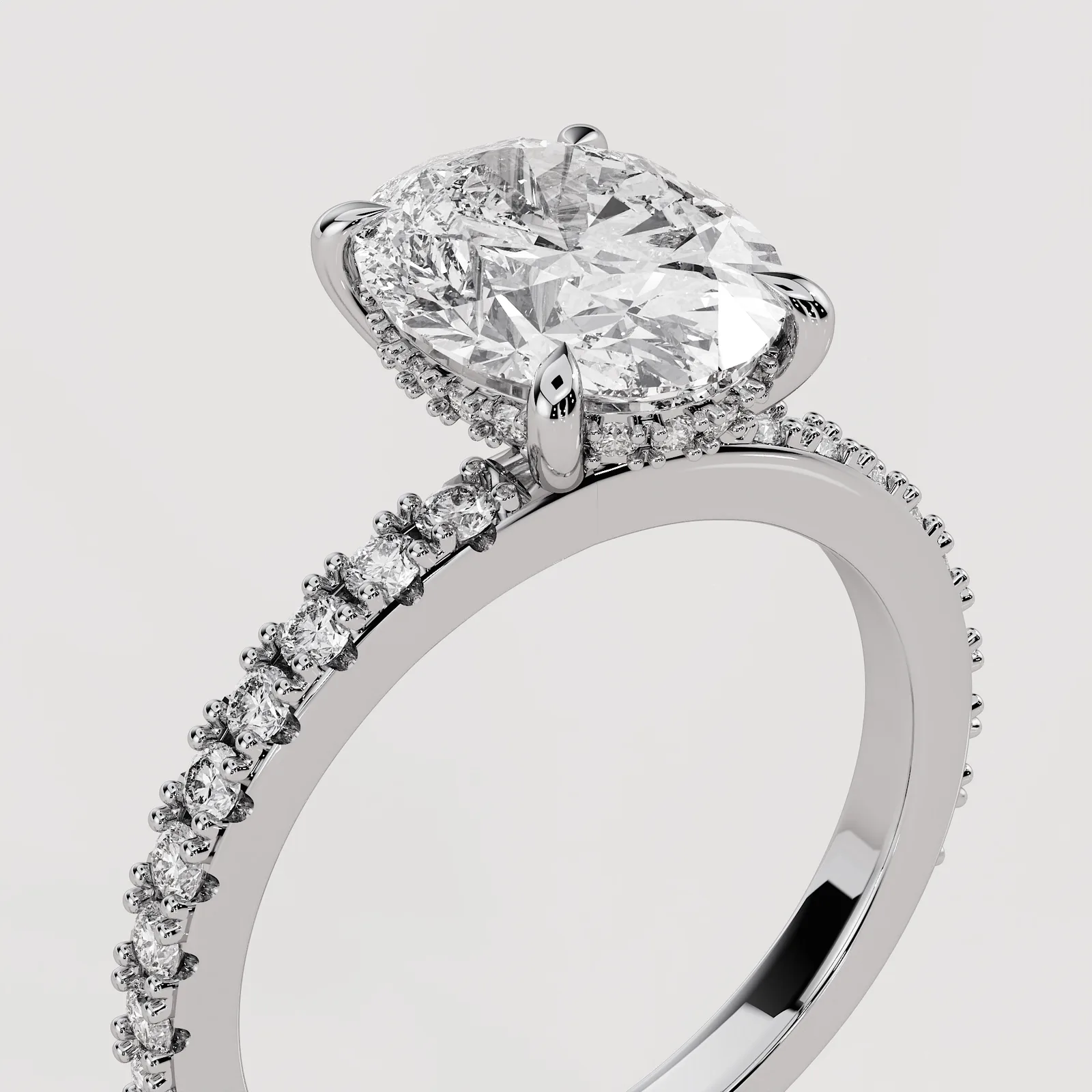
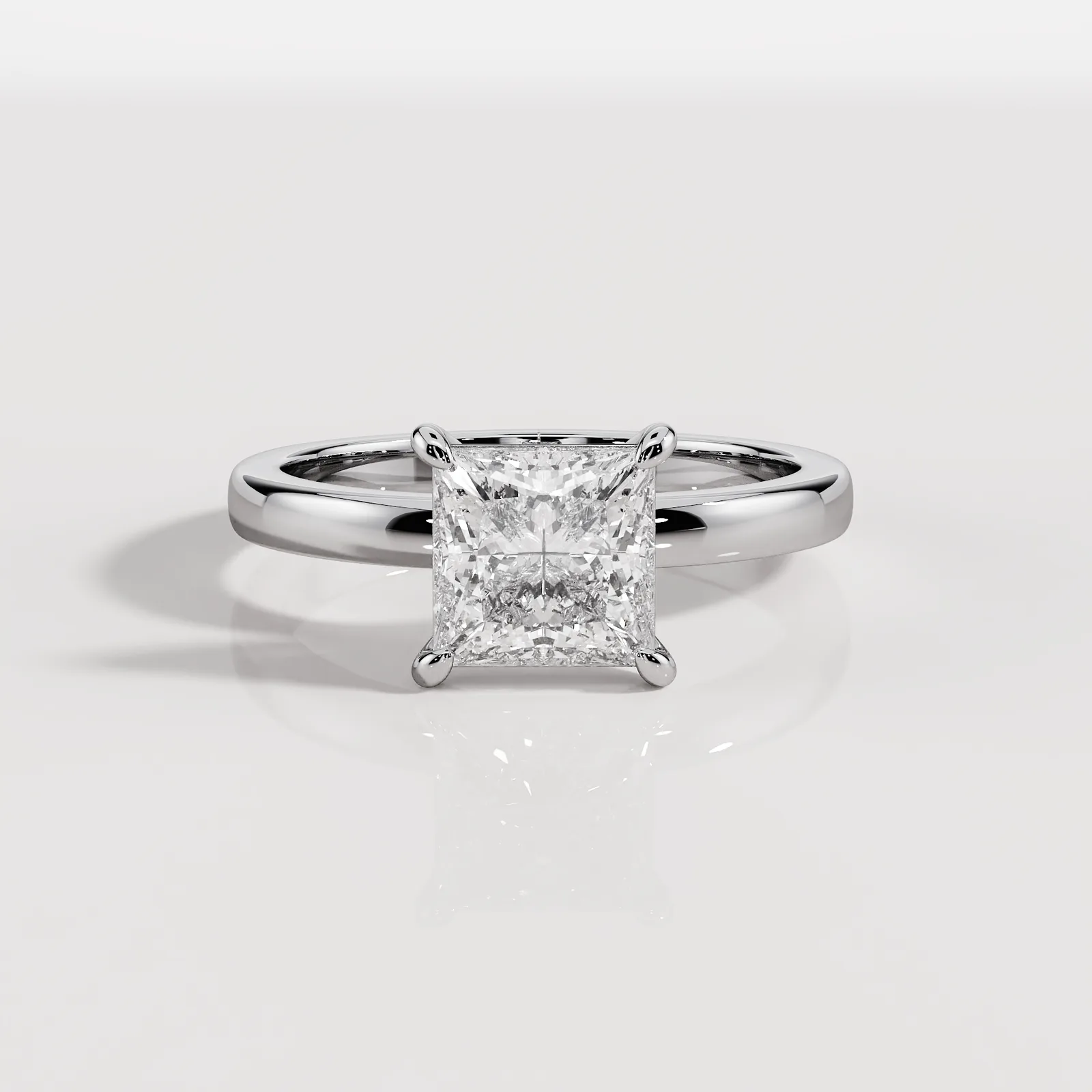
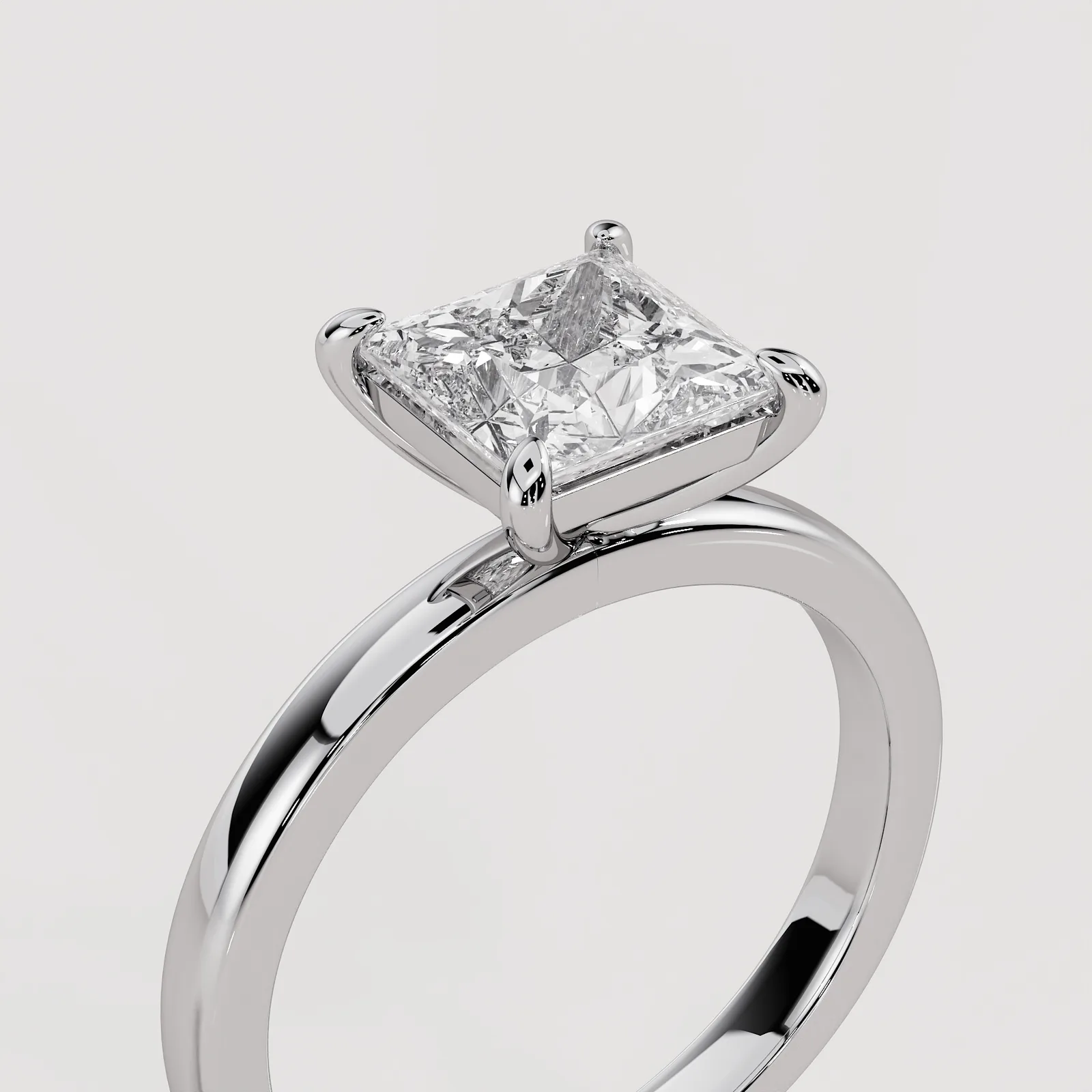
Models in white gold from our collection
A selection of our rings in white gold. Every model can also be made in yellow gold, rose gold or platinum.
What a white gold engagement ring costs
Guide prices so you can get your bearings. We always discuss the exact price in person.
Price depends on the work involved. We calculate openly, no surprises.
Guide prices, as of 2026, incl. VAT. The exact price depends on stone, metal and work.
Frequently asked questions
Yes, we work by appointment only, in person in Zurich District 4 or by video. That way you can compare white gold against the other metals calmly, without other clients waiting. Booking takes a few minutes online, and a first conversation usually takes about an hour.
That depends a lot on how often you wear the ring and how much your hands are used. On average we recommend refreshing it every 1 to 3 years, sometimes sooner with a very active lifestyle. You'll usually notice it yourself when the ring looks a little duller or warmer, that's a good moment for a visit to the goldsmith.
At émin, white gold is alloyed with palladium rather than the classic nickel alloy, which lowers the risk of a reaction considerably. A reaction on very sensitive skin can never be fully ruled out, but palladium is considered much gentler than nickel-based white gold, which is still common in some countries.
The ring doesn't lose any substance, only the bright white finish fades slightly at the points that see the most wear, usually first along the underside of the band. You'll only notice on close inspection. A fresh layer of rhodium restores the original shine within a few days, simple, and without being without your ring for long.
Visually the two are very similar, white and cool. Platinum stays naturally white and needs no rhodium plating, but it costs noticeably more because it's heavier and rarer. White gold is the more affordable option with the same look, but asks for a little more care over the years. We're happy to show you both side by side.
A complete solitaire with a 1 ct lab-grown diamond in a classic prong setting, in 18k white gold or platinum, starts at CHF 1'900, and from there the price depends mainly on the size and quality of the stone you choose. White gold is priced roughly the same as yellow gold and rose gold, only platinum costs noticeably more due to its weight and purity. We calculate the exact price openly during your consultation.
Quick enquiry
Ready for your ring in white gold?
Send us a short message about what you have in mind. We'll give you honest advice on alloy, rhodium plating and setting, and suggest an appointment, in Zurich or by video.