
Settings explained
Prong setting: 4 or 6 prongs for your diamond?
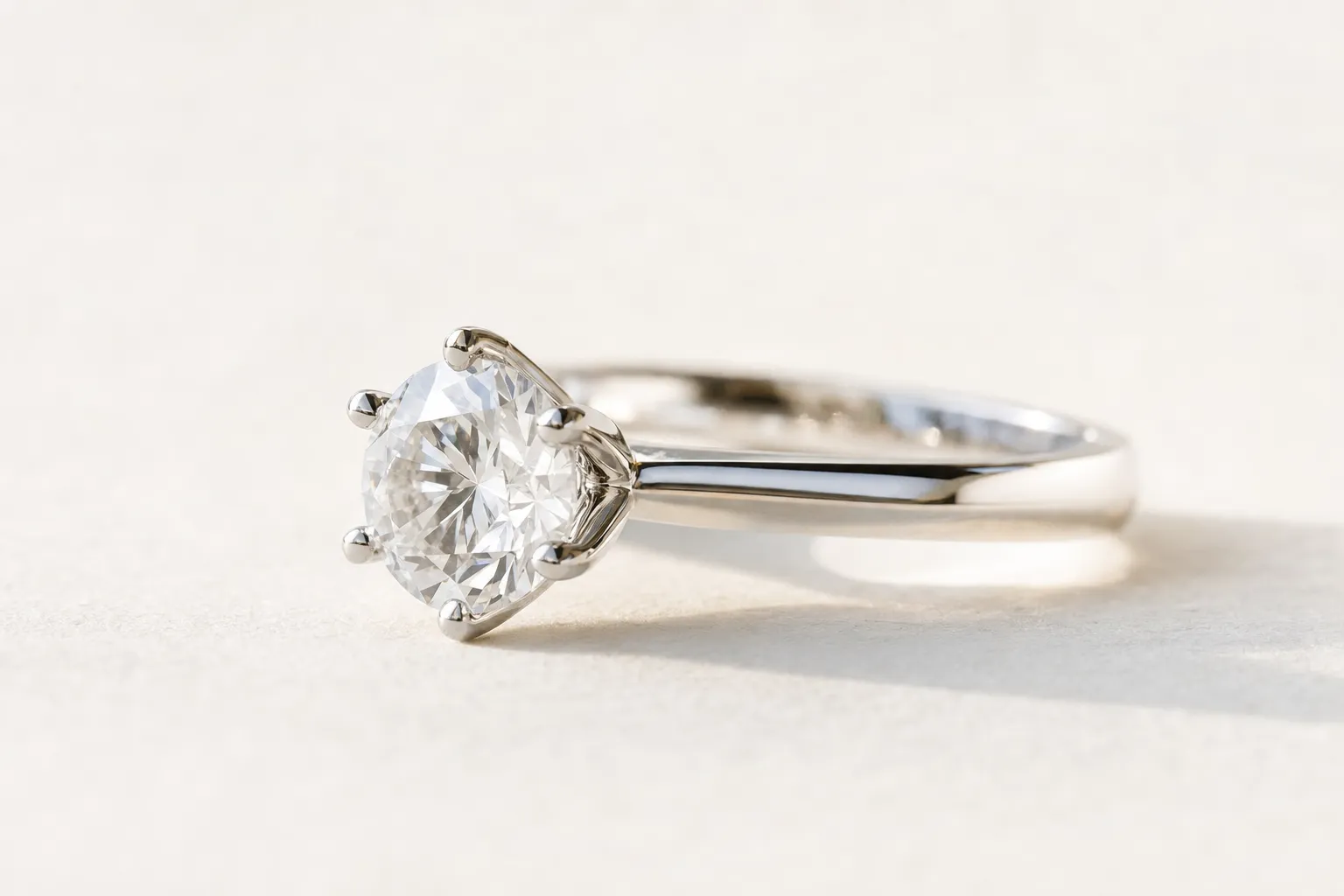
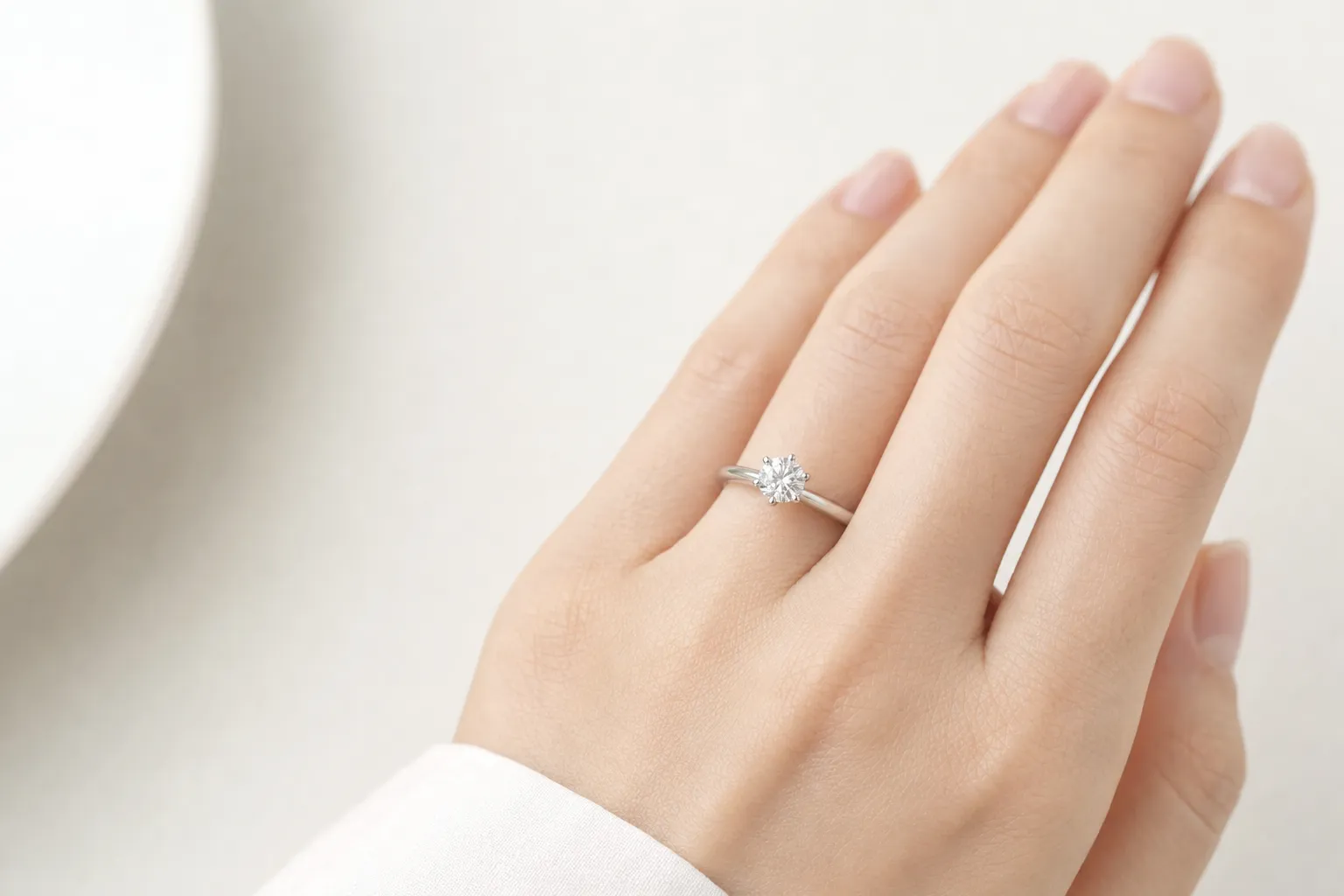
The prong setting is the best-known way to set a diamond, for good reason. Fine metal claws, the prongs, hold the stone at just a few points and leave it almost free in the light otherwise. No other setting lets as much light reach the stone from the side and below, which is why a solitaire in a prong setting usually looks the brightest.
The most common question: 4 or 6 prongs? Four prongs show the stone most openly and look elegantly restrained, six prongs hold larger or more delicate stones more securely, especially with daily wear. We show you both options with the real stone before you decide, and adjust the prong shape to your cut.
Why the prong setting remains a classic
Look
Barely any metal covers the stone, so light reaches it from nearly every side. That's exactly why a diamond in a prong setting often looks larger and brighter than in other settings, even at the same carat weight.
Security
Four prongs offer fewer contact points, six prongs more stability, especially for oval, pear or other cuts with delicate points. We recommend the right number based on stone size, cut and your everyday life.
Everyday wear
Prongs sit slightly above the band and can catch on fine wool, gloves or hair. That's normal and not a sign of poor work, an annual check keeps the prongs tight and the tips smooth.
4 or 6 prongs: what actually makes the difference
Four prongs are the classic choice for a solitaire, showing round and square stones especially openly and looking slim. The downside: with a large or valuable stone, fewer points carry the weight, and a knock in the wrong spot matters more. Six prongs spread the hold across more points and are often recommended for larger stones or an active everyday life, at only a minimal cost in visibility.
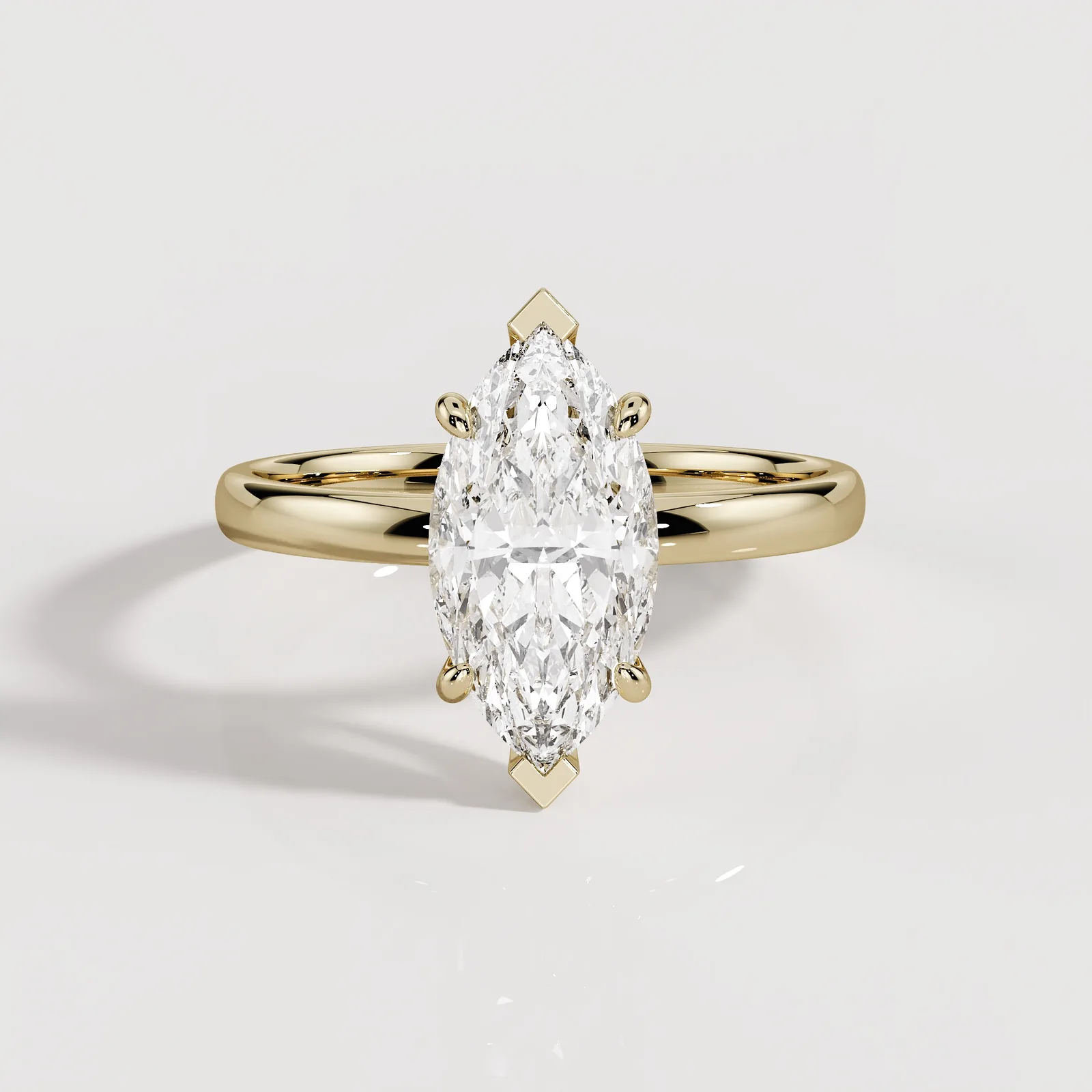
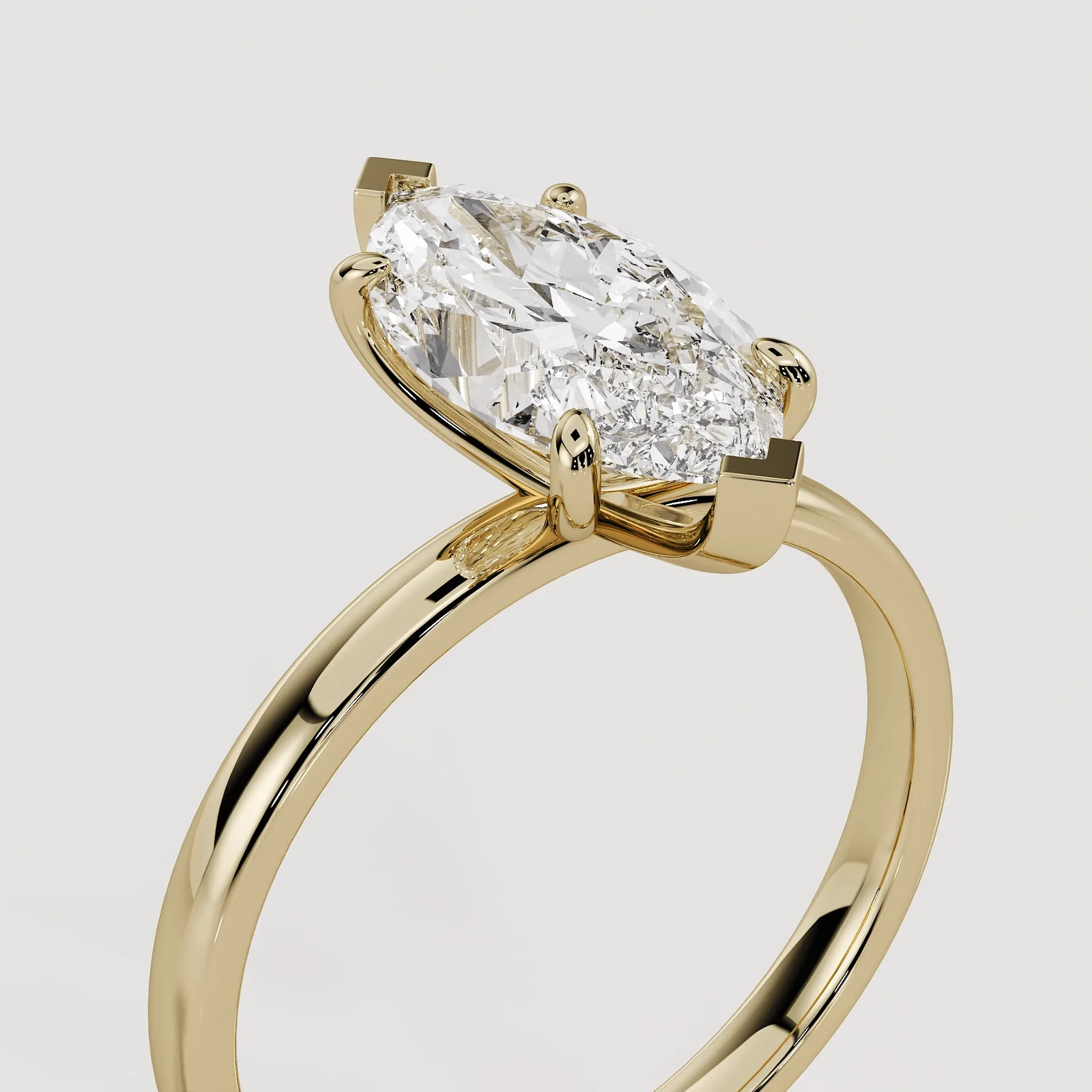
For pointed cuts like pear, marquise or oval we also add so-called V-prongs at the tips, so the most delicate point of the stone is specifically protected. How to keep an eye on the prongs yourself between check-ups, and what to do if you suspect a loose prong, we explain in detail in our guide on ring care.
Prong setting compared to bezel and pavé
A first orientation. What setting suits your stone and your everyday life is best decided at the table, with the stone in hand.
| Setting | Light entry | Security | Upkeep | Price level |
|---|---|---|---|---|
| Prong setting | very high, stone almost free | medium, prongs can loosen | check prongs yearly | affordable to medium |
| Bezel setting | medium, rim covers the edge | very high, stone fully protected | low, smooth surface | medium |
| Pavé / micro-pavé | high, many small reflections | medium, many single points | check and clean regularly | medium to higher |
Solitaire models with a prong setting
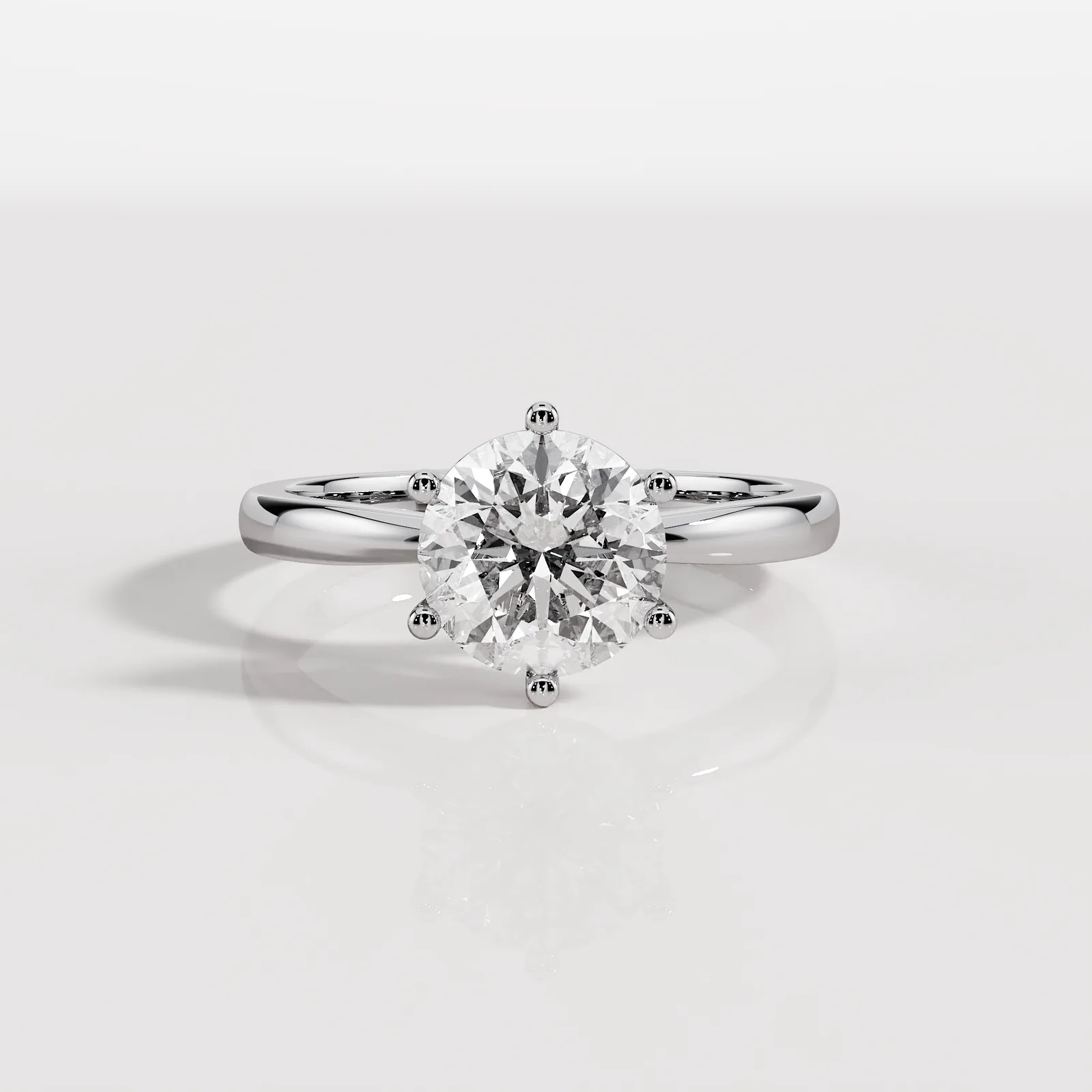
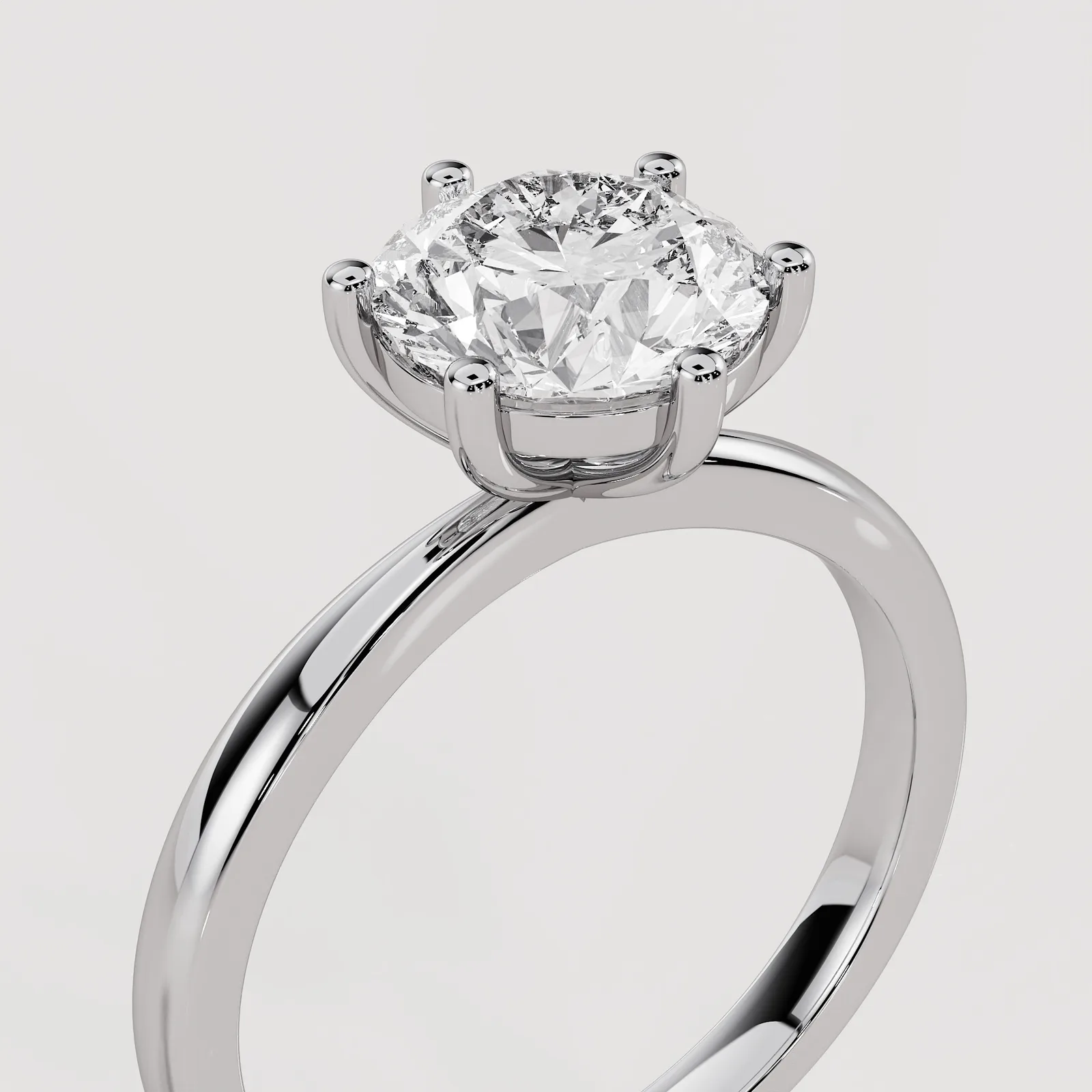
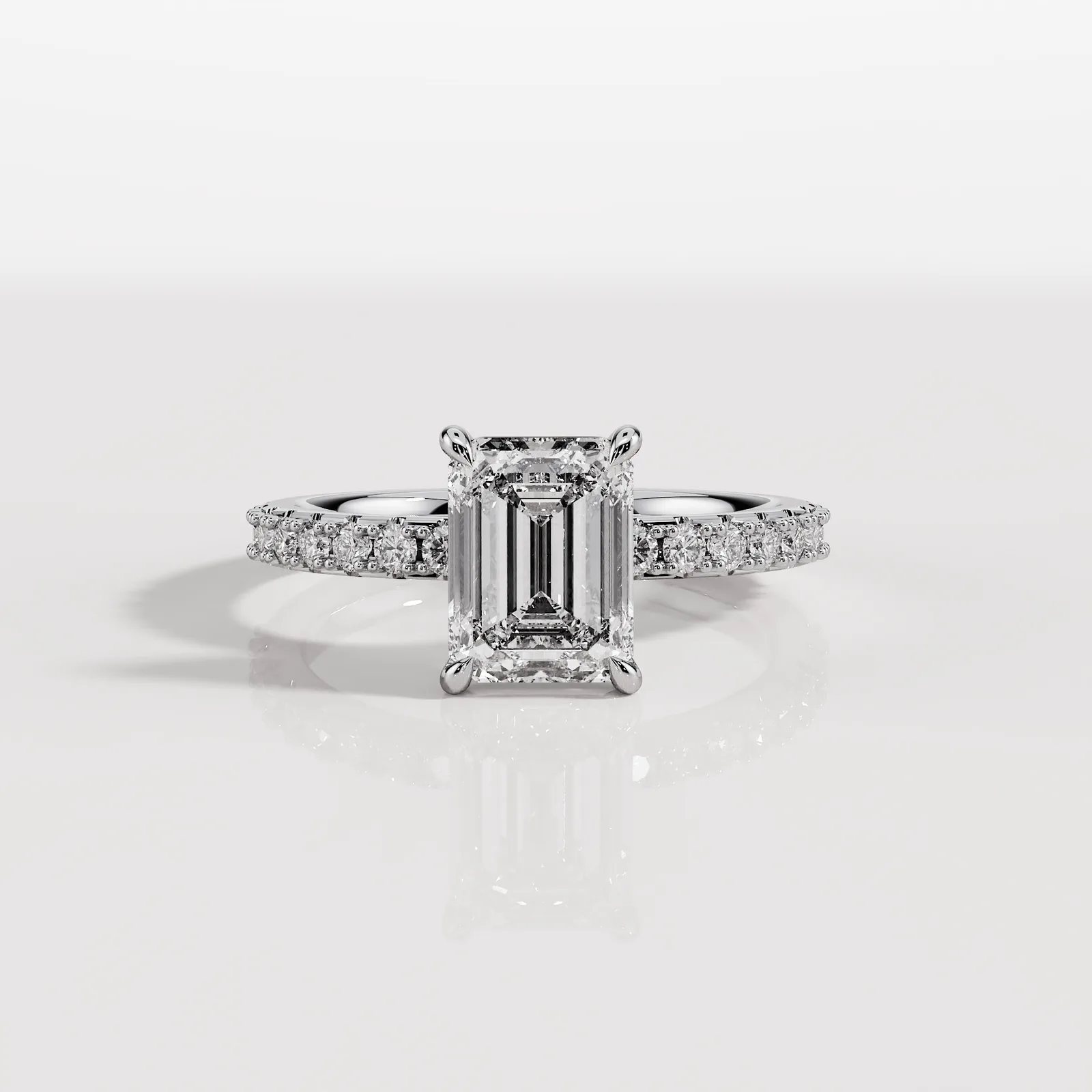
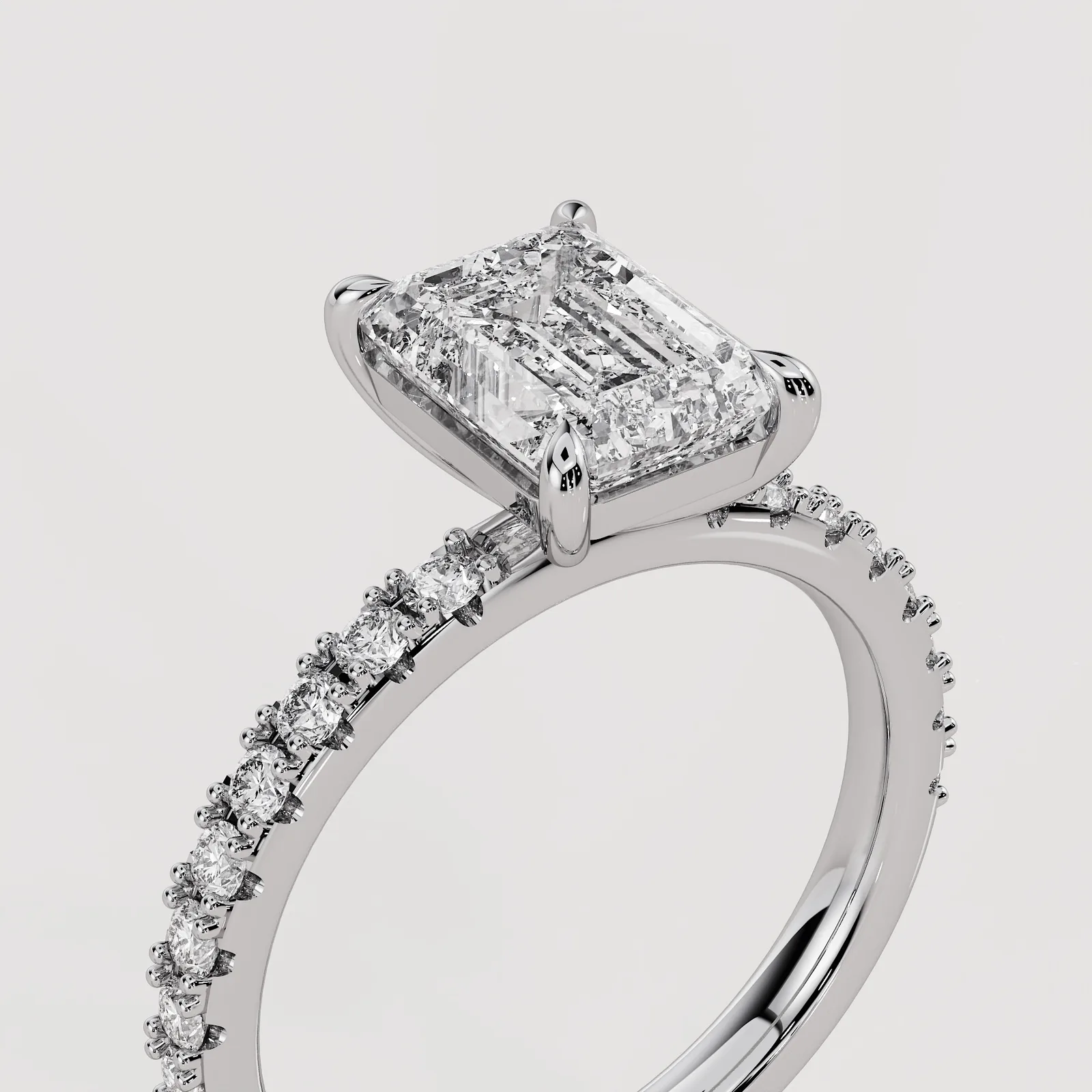
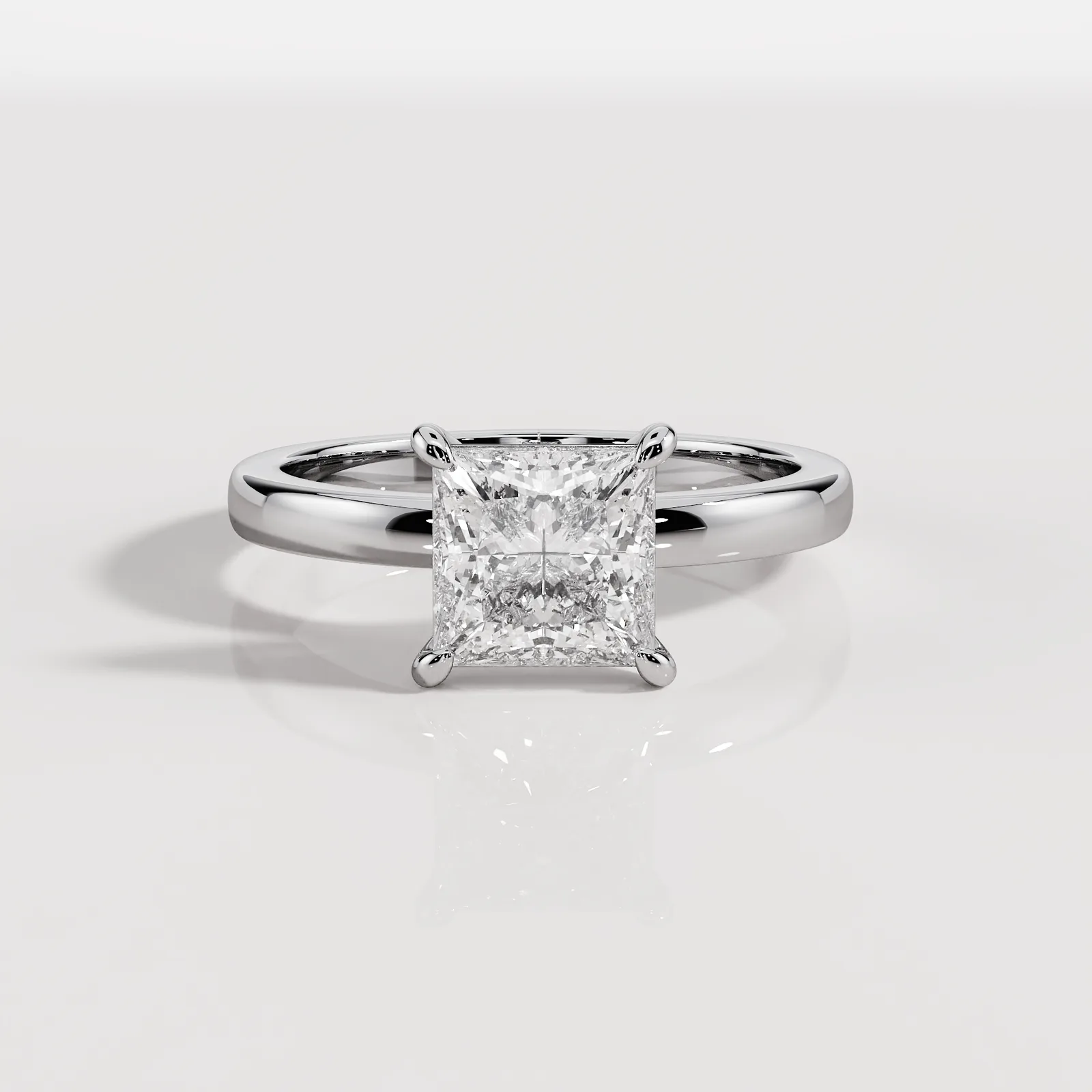
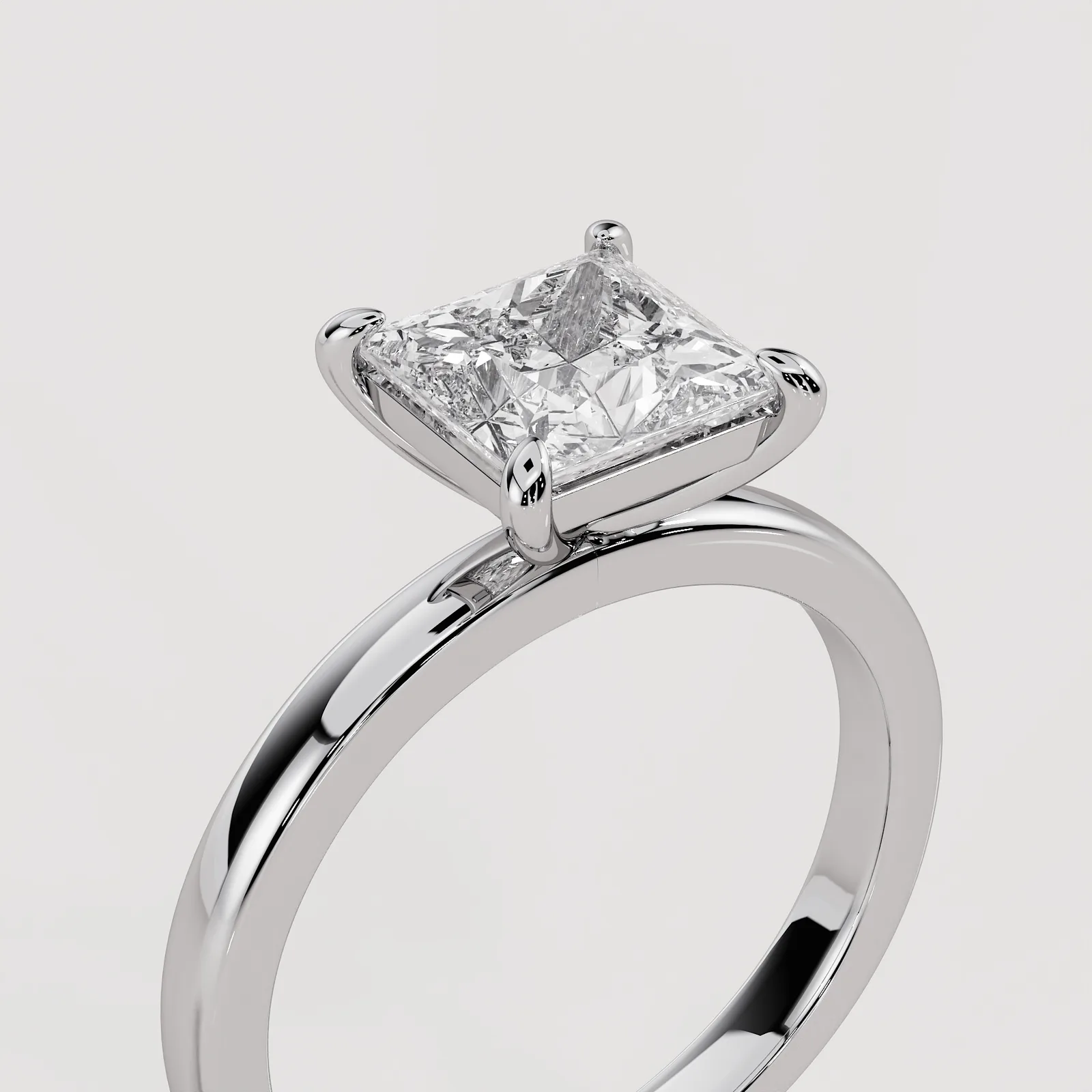
These rings from our collection use a clean prong setting. Whether four or six prongs, we adjust metal and stone size for you.
What a prong setting costs
Guide prices so you can get your bearings in advance. We always discuss the exact price in person.
Prices include VAT, as of 2026.
Frequently asked questions
For smaller to medium stones and a calm everyday life, four prongs are usually enough and show the stone especially openly. For larger stones, delicate cuts like pear or marquise, or if you work a lot with your hands, we recommend six prongs for extra security.
That can happen, because prongs sit slightly above the band to hold the stone. Usually it's just a brief tug, nothing to worry about. If it bothers you, we're happy to file the prong tips a little smoother during a check-up, without weakening the hold.
We recommend a check once a year, especially if you wear the ring daily. We check whether a prong has loosened, polish the setting and clean the stone. This usually takes only a few minutes and reliably prevents the loss of a stone.
Yes, tends to. Because barely any metal covers the stone, more light enters from the side and below, so the diamond looks brighter and more open than in a setting that encloses it more. At the same carat weight, a stone in a prong setting often looks slightly larger than in a bezel.
Almost every one, yes. Round, oval, square and many other cuts can be classically set with four or six prongs. For very pointed shapes like pear or marquise we add V-prongs at the most delicate points, so the stone is specifically protected there.
The prong setting is one of the classic, efficient techniques and usually sits in the lower to medium price range compared to more elaborate settings. The exact price depends on metal, stone size and number of prongs, we calculate it openly with you in conversation.
Quick enquiry
Interested in a prong setting?
Send us a short message about whether you lean towards four or six prongs and which stone you have in mind. We reply within one working day.