
Settings compared
Diamond settings explained: which one suits your stone
The setting shapes the look of your ring at least as much as the stone itself. Prong, bezel, pavé, mosaic or honeycomb: every setting holds the diamond differently, lets in different light, and needs different care. On this page we compare eight settings honestly, without jargon.
We advise you at our atelier in Zurich District 4 or by video on which setting fits your stone, your daily life and your budget. Some settings look spectacular but need more care. Others are quieter but almost maintenance-free. In the end what matters is what suits you, not what sparkles the most.
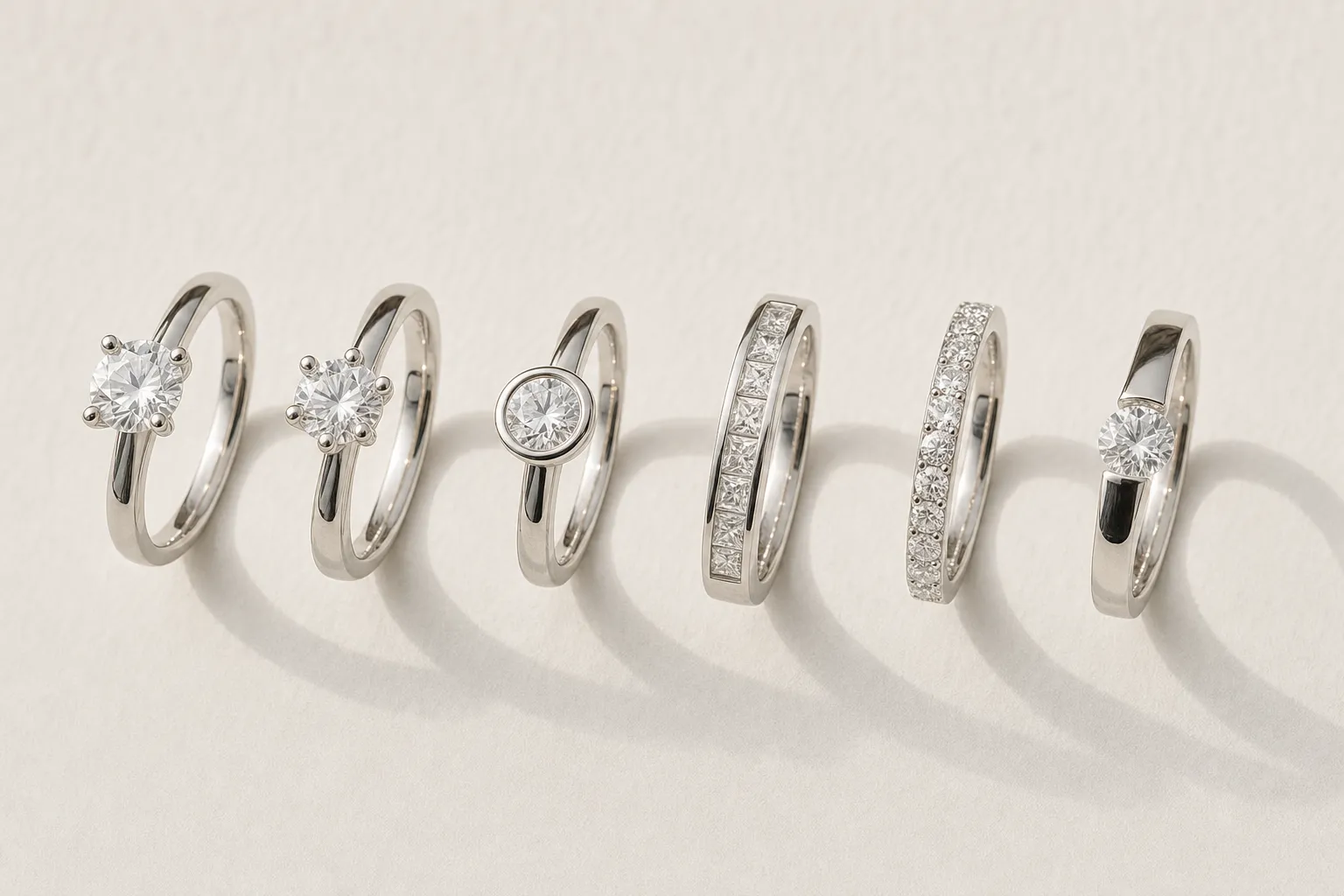
Why the setting matters so much
Safety
Some settings protect the stone all around, others deliberately favour open light and accept a small extra risk. We tell you honestly how sturdy a setting really is in daily life.
How light plays
Whether the diamond catches light from every side or only from above changes how much it sparkles. Some settings deliberately pull more fire out of the stone, others feel calmer.
Price and effort
Elaborate settings like mosaic or honeycomb take more working time than a classic prong setting. We break down the extra cost openly before you decide.
Eight settings at a glance
From classic to unusual, every setting has its own strengths.
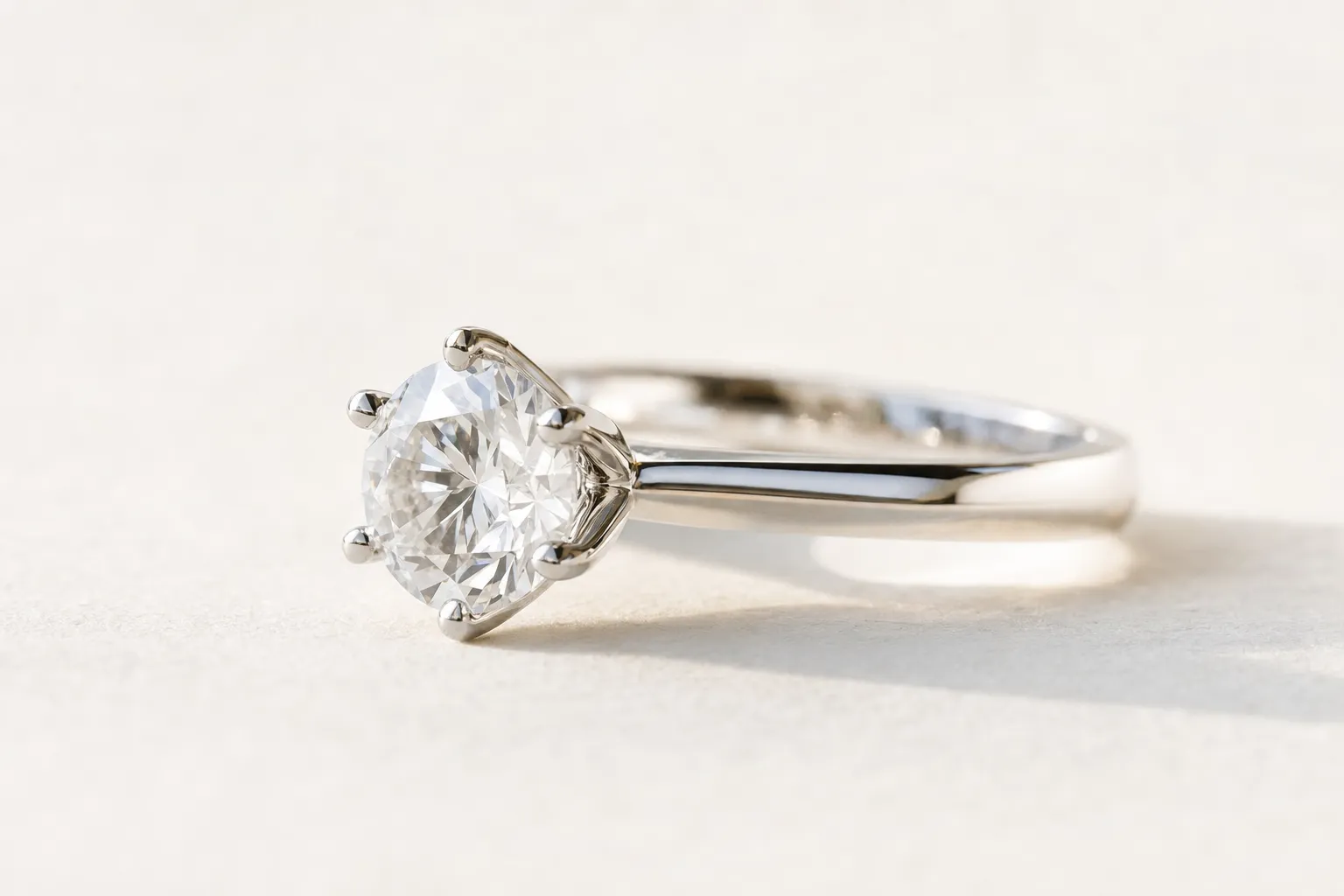
Settings compared
A first orientation, it does not replace the conversation at the atelier.
| Setting | Safety | Light | Upkeep | Price level |
|---|---|---|---|---|
| Inverted setting | medium | high, unusual angle | check regularly | medium |
| Mosaic / invisible | limited, stone loss possible | very high | careful, professional cleaning | high |
| Honeycomb | good | high | low | high |
| Pavé / micro-pavé | medium | high | check regularly | medium |
| Prong setting | good | very high | low | low to medium |
| Bezel setting | very high | muted | very low | low to medium |
| Channel setting | high | medium | low | medium |
| Tension setting | medium | high | have a professional check it | medium to high |
Price level relative to a classic prong setting, we discuss the exact extra cost with you in person.
Care: what every setting needs
Every setting holds the stone differently, and every setting needs different care. A bezel setting is almost maintenance-free, because the metal rim protects the stone all around. A mosaic or pavé setting with many small stones is worth checking regularly, because tiny prongs can loosen over time.
At the atelier we show you exactly what to watch for with your setting, and we happily check it for free at every visit. That way a loose prong shows up before a stone actually gets lost.
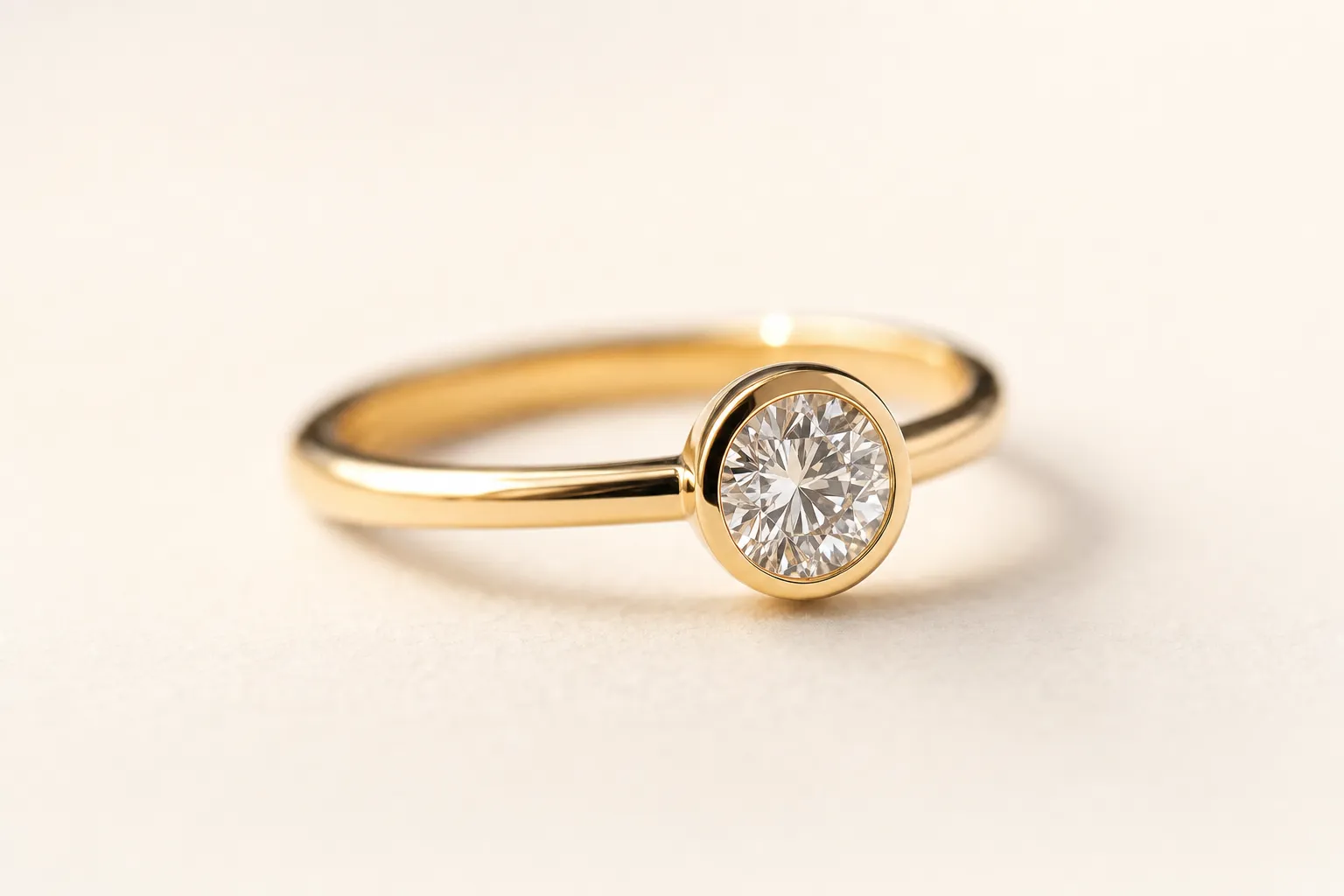
What a setting costs extra
Guide prices so you can get your bearings in advance.
Price depends on the work involved. We calculate openly, no surprises.
We always discuss the exact surcharge for mosaic, honeycomb or an inverted setting with you in person.
Frequently asked questions
Bezel and prong settings are considered particularly sturdy, because they work with few, stable contact points. A bezel even protects the stone from knocks on every side. Delicate settings like mosaic or pavé look striking but need more attention day to day, for example during manual work or sport.
That depends on your stone, your daily life and your taste. An active lifestyle tends to favour prong or bezel, while a special occasion can carry a more elaborate setting. At the atelier we show you samples in real daylight so you can decide calmly.
The surcharge depends on working time, stone count and calibration. A pavé band is a good guide value and listed in the price table above. For mosaic, honeycomb or an inverted setting we work out the exact amount with you in person, with no hidden extra costs.
In many cases yes, we check that directly on the ring at the atelier. Whether a change makes sense depends on the shank, the stone and the new setting you want. We tell you honestly whether the conversion is worthwhile or whether a new ring would be the better solution.
For classic settings like bezel or prong, a check every one to two years is usually enough. Delicate settings like mosaic, pavé or tension are worth checking more often, roughly once a year. We check it for free at every atelier visit.
In pavé, small round stones sit close together with fine prongs between them. In a honeycomb setting the stones sit in hexagonal cells, each held by six tiny beads, giving an even denser, more closed surface. Both draw a lot of light from many small stones, only the structure behind them differs.
Related pages
Quick enquiry
Which setting suits you?
Tell us what look you're after, or send us a photo as a reference. We'll tell you honestly which setting fits your stone and your daily life.