
Settings explained
Tension setting: the diamond that seems to float
A tension setting doesn't hold the diamond with prongs or a bezel, but purely through the tension of the metal band itself. The two ends of the ring press against the stone from two sides with such precision that it appears to float between them with no visible setting. No other setting type looks quite as minimalist and modern.
That effect needs precision down to a hundredth of a millimetre, which is why we usually work with platinum or a particularly robust gold alloy for a tension setting, one that holds the required tension reliably over time. We'll tell you honestly who a tension setting suits well and where another setting is more practical for everyday life.
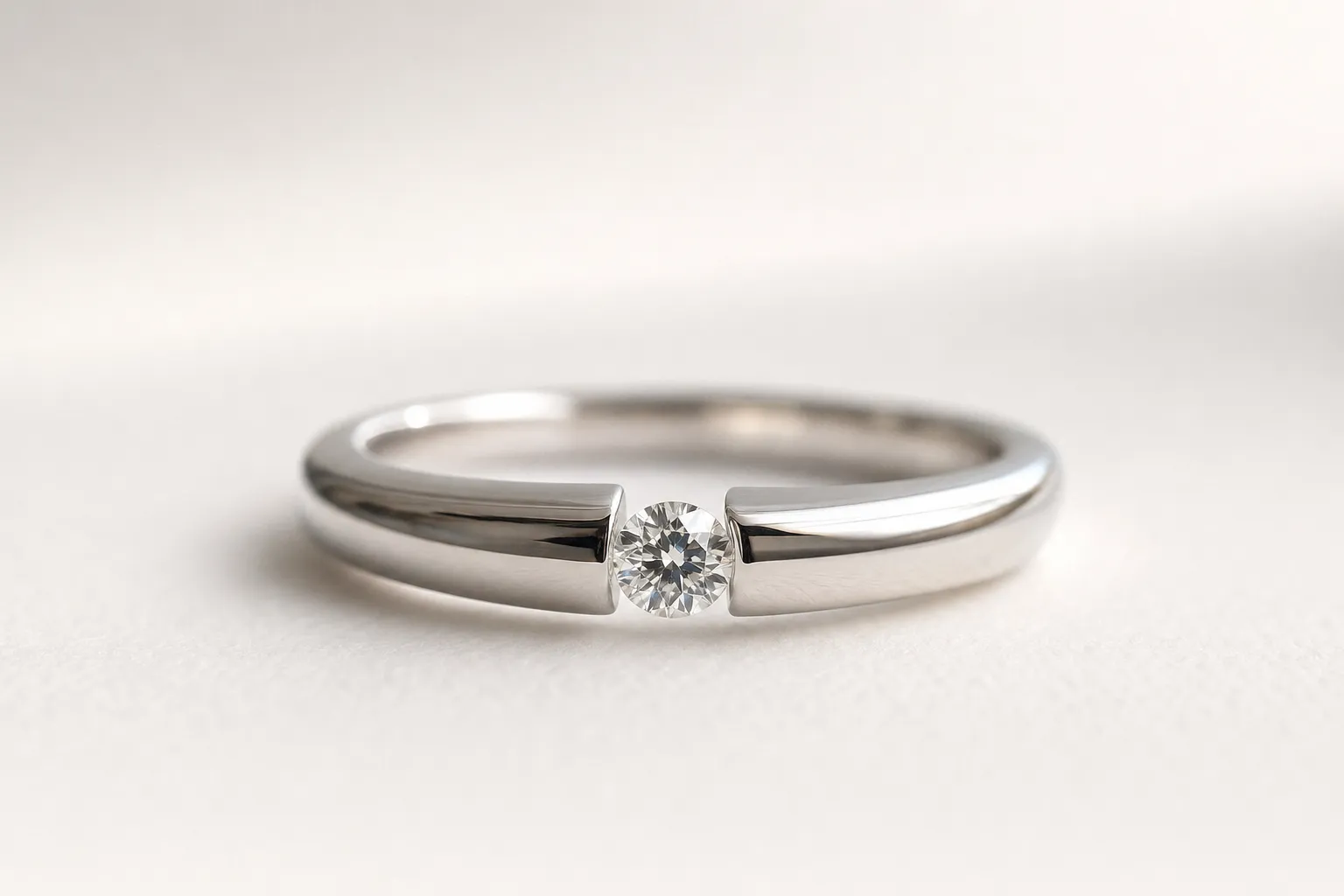
Why a tension setting looks so distinctive
Look
With no prongs or bezel, light reaches the stone from practically every side, even from below. The floating look is unique among settings and looks especially modern and clean, ideal for a minimalist ring.
Security
Properly engineered, a tension setting holds the stone reliably as long as the tension is right. Honestly speaking: resizing the ring later is noticeably more involved than with other settings, because it directly affects the tension.
Everyday wear
The smooth, rounded shape with no protruding parts rarely catches on anything. For very hard manual work or contact sport we still recommend a bezel or prong setting instead, where the stone is additionally held mechanically.
How a tension setting is made and what makes it special
For a tension setting, the ring is calculated so the two ends press against the stone with exactly the right force, usually at two small, barely visible notches on the edge of the diamond. Too little tension and the stone sits loosely, too much and the diamond could be damaged over time. That balance needs experience and usually a particularly tough metal like platinum.
That same precision is exactly why we want to be honest: a tension setting can't simply be widened or narrowed like a normal ring, any change in size alters the tension holding the stone and must therefore be recalculated at the atelier. For how to care for a tension setting day to day and what to watch for, see our guide on ring care.
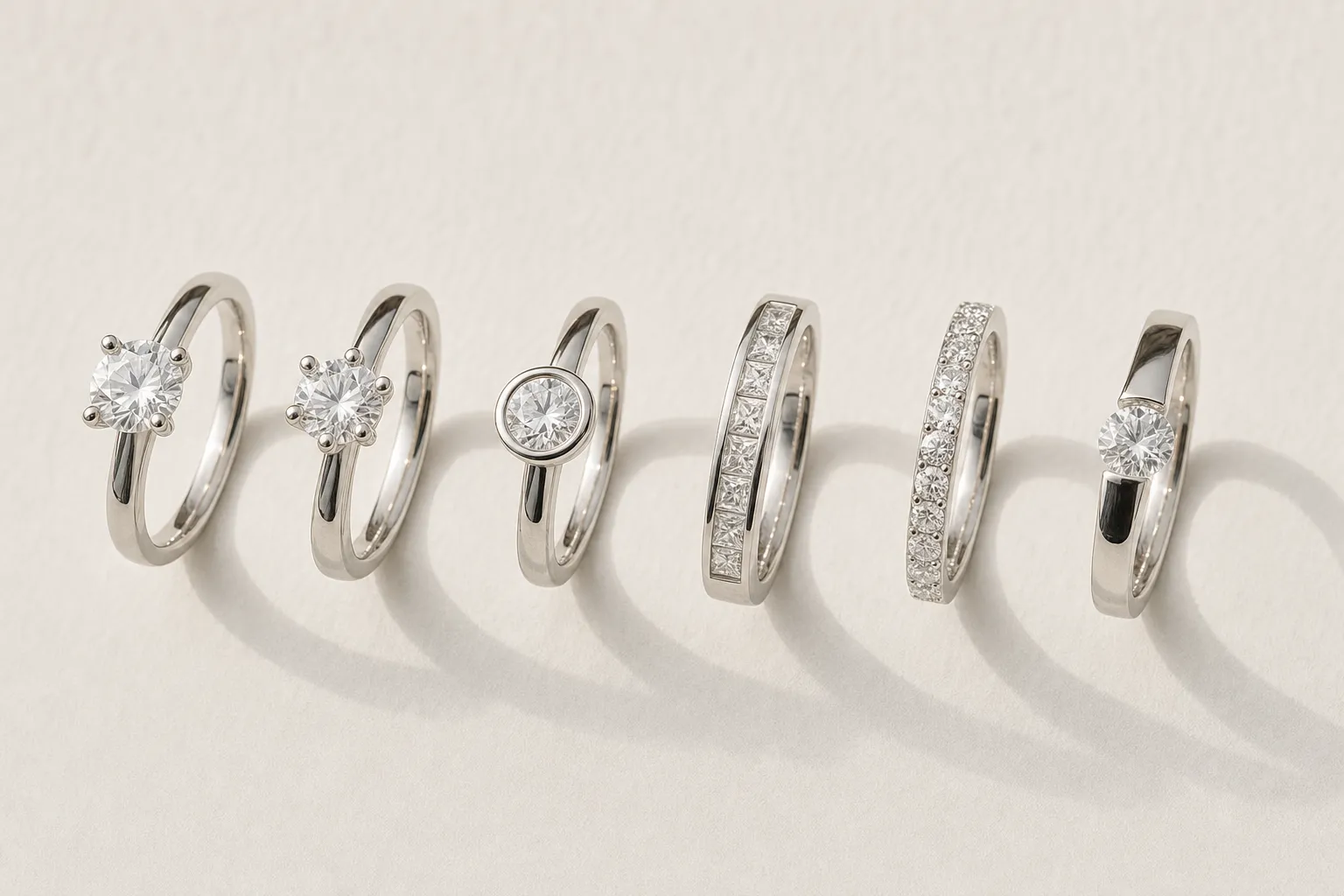
Tension setting compared to prong and bezel settings
A first orientation. What setting suits your everyday life is best decided at the table, with the stone in hand.
| Setting | Light entry | Security | Upkeep | Price level |
|---|---|---|---|---|
| Tension setting | very high, stone appears to float freely | high when properly engineered, resizing is difficult | low day to day, size only adjustable at the atelier | higher |
| Prong setting | very high, stone almost free | medium, prongs can loosen | check prongs yearly | affordable to medium |
| Bezel setting | medium, rim covers the edge | very high, stone fully protected | low, smooth surface | medium |
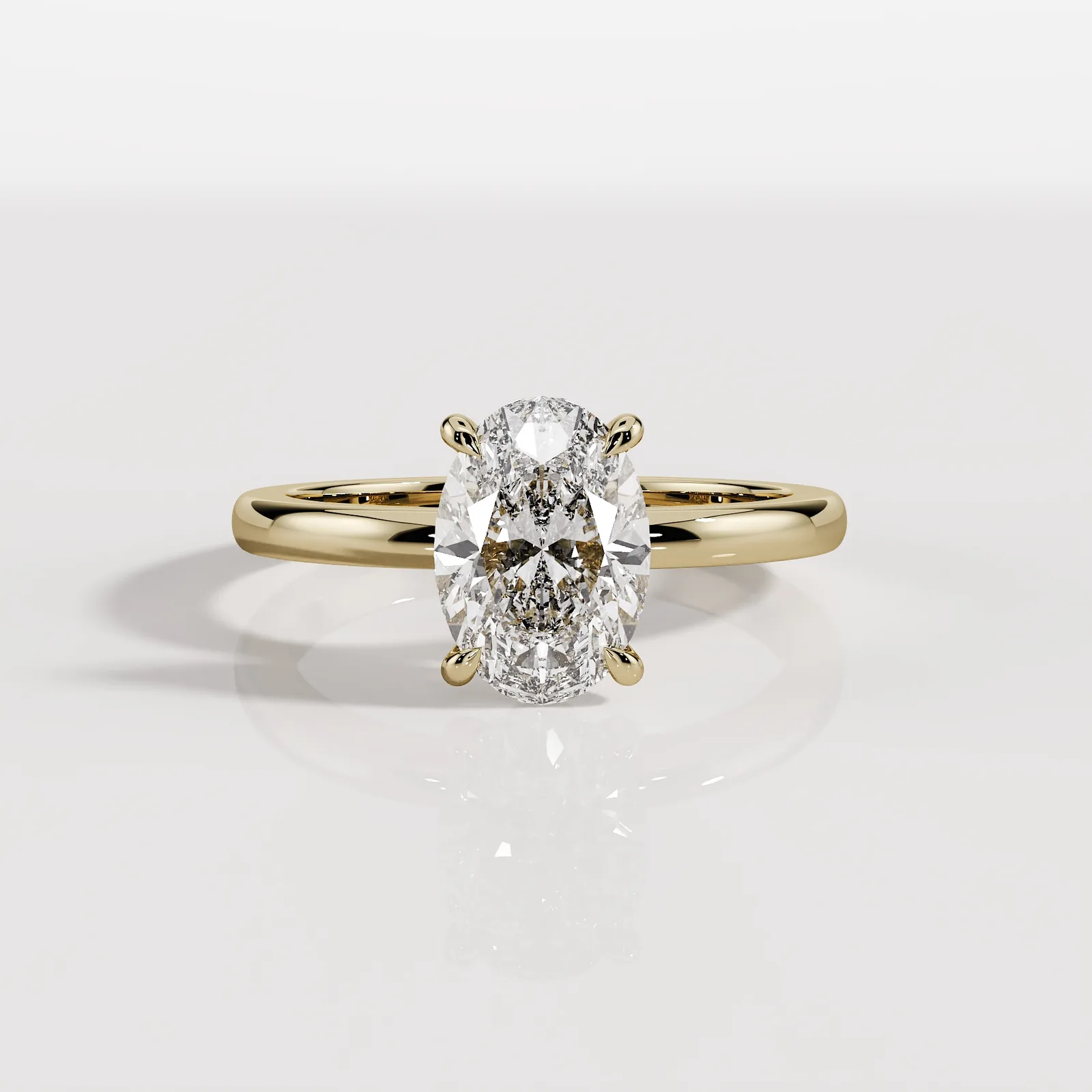
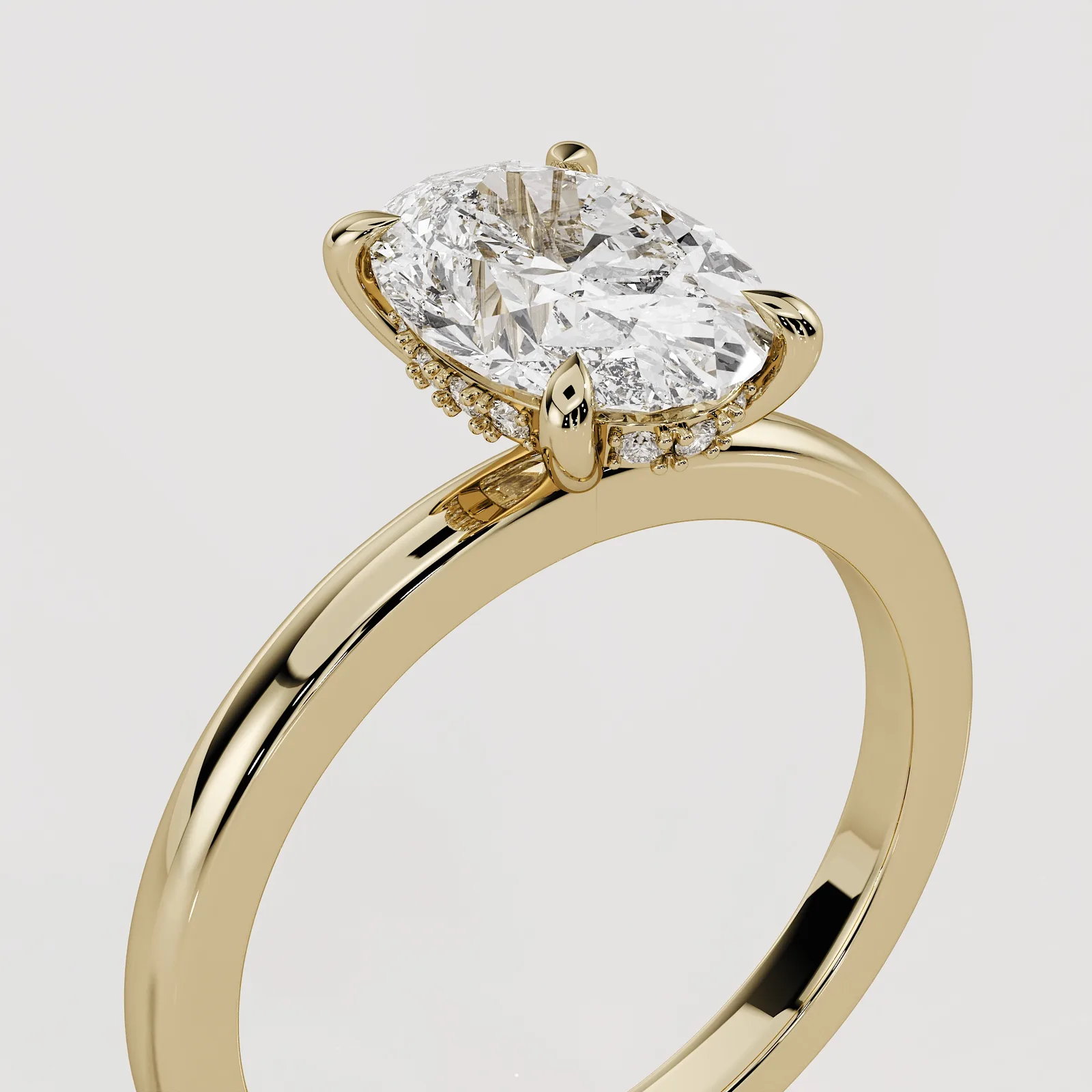
Models as a base for a tension setting
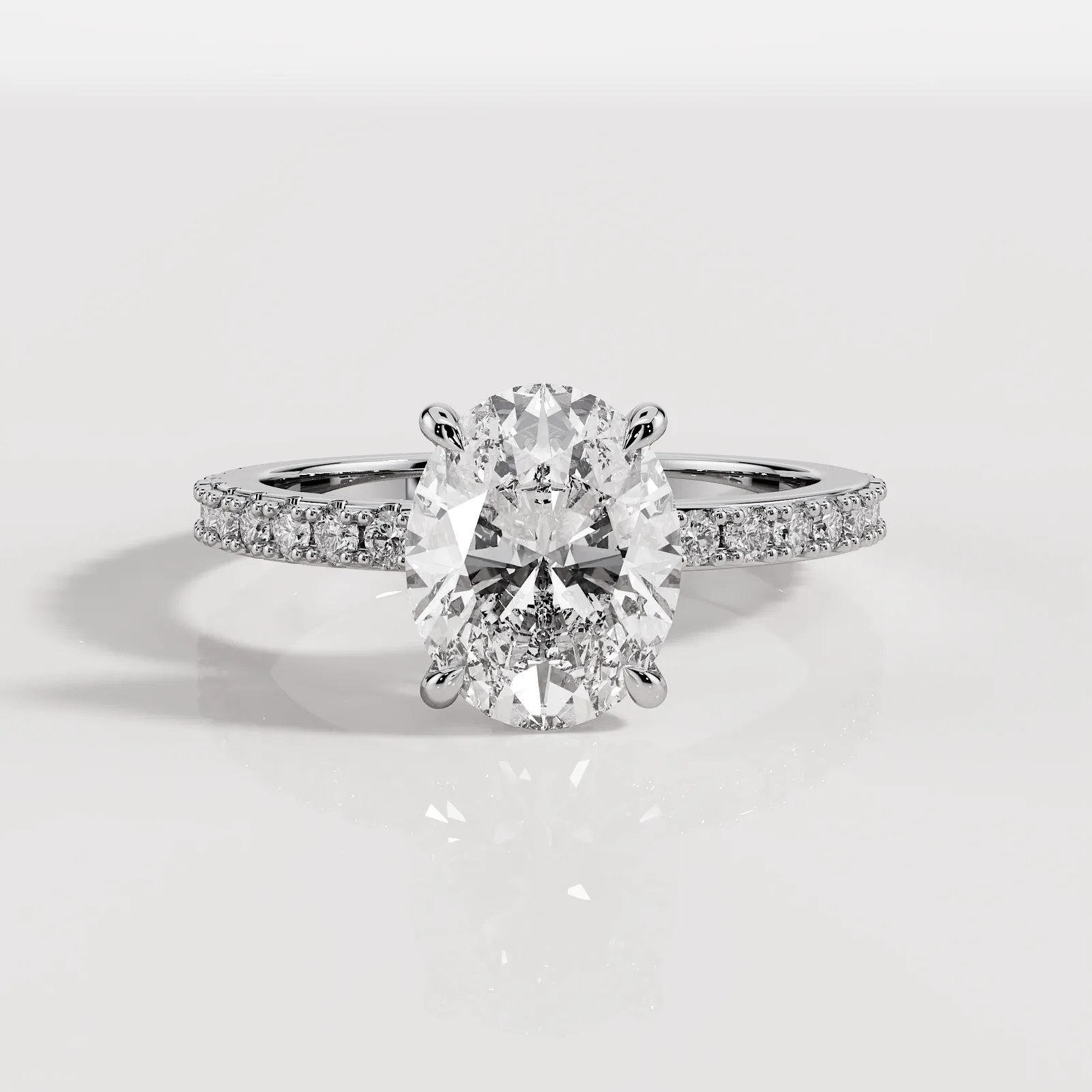
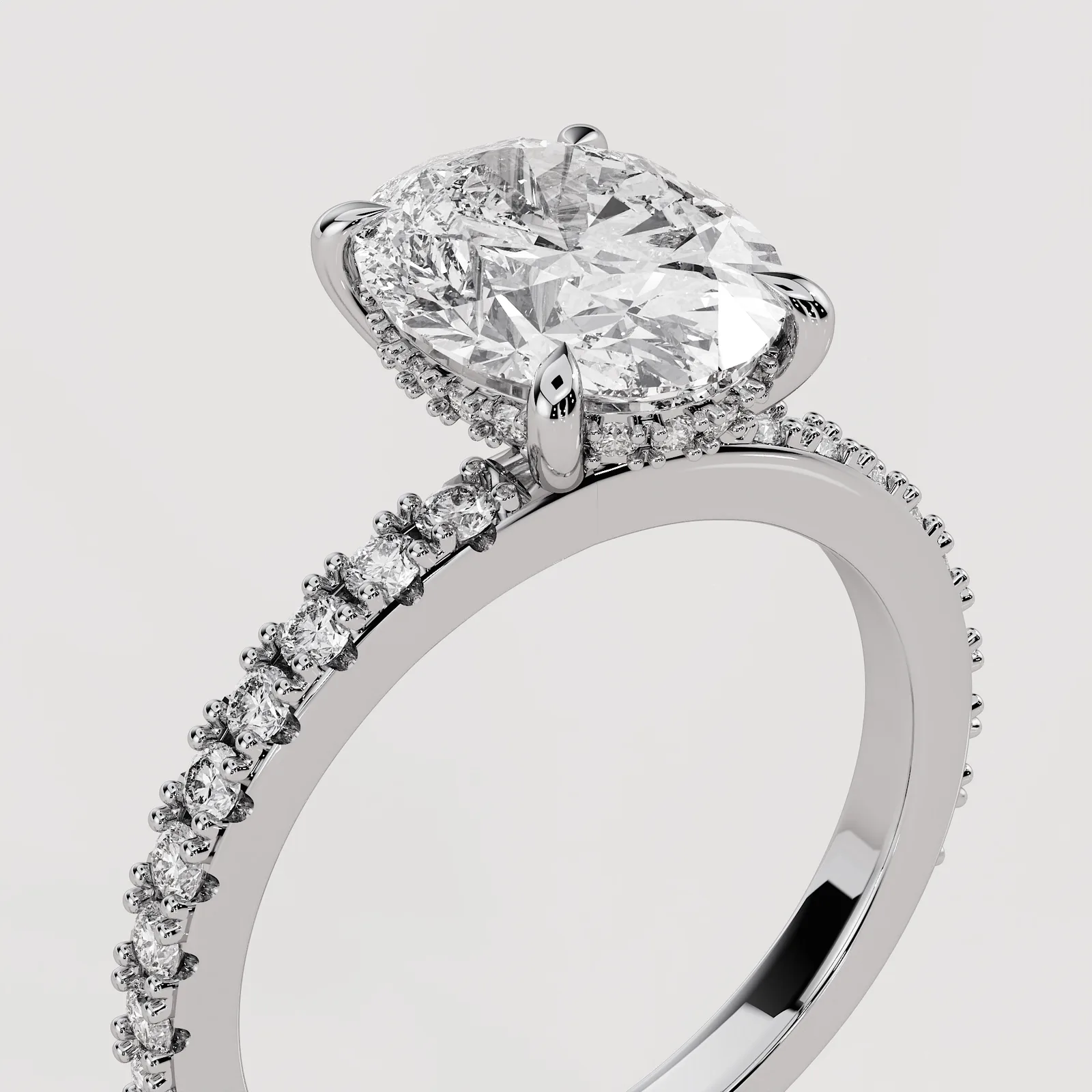
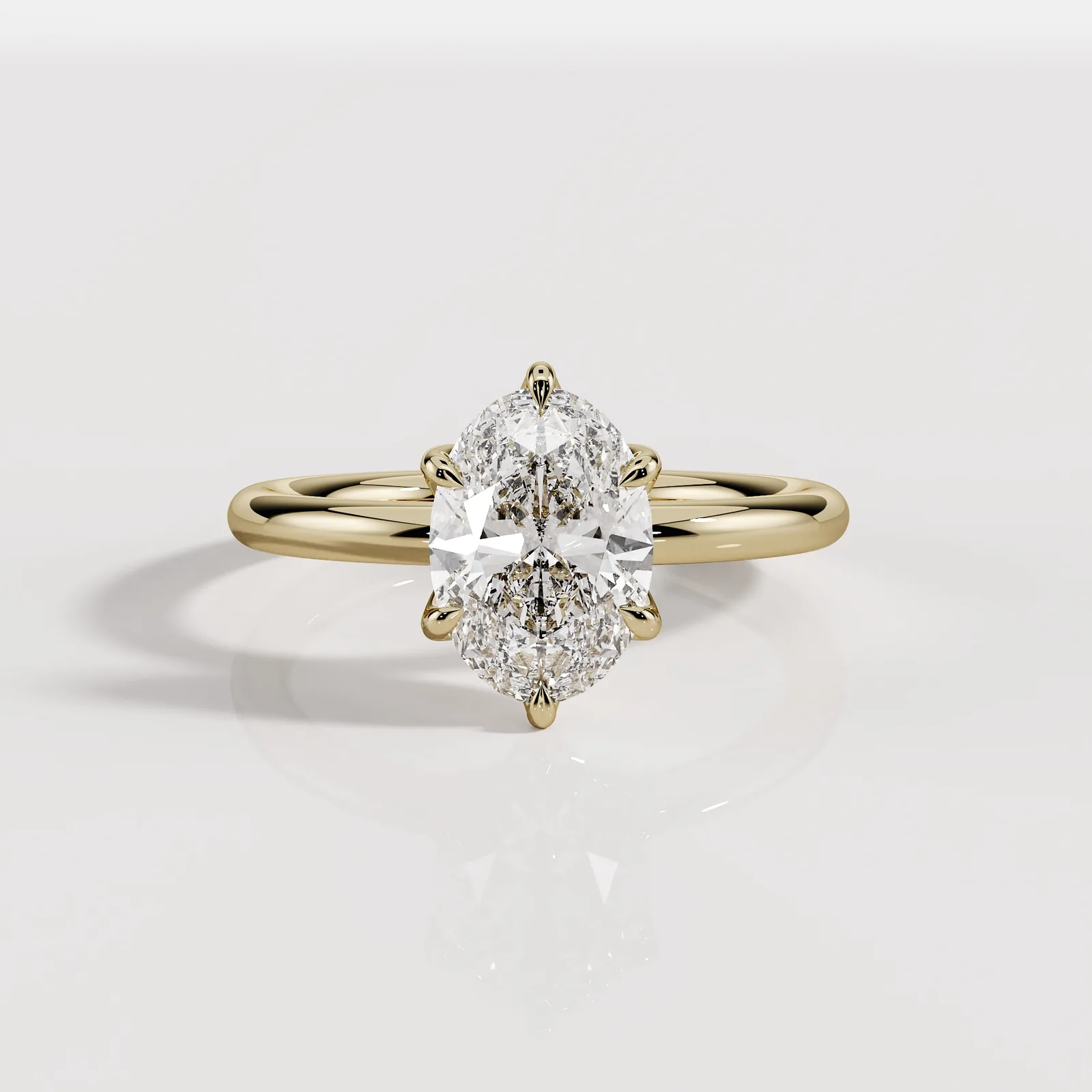
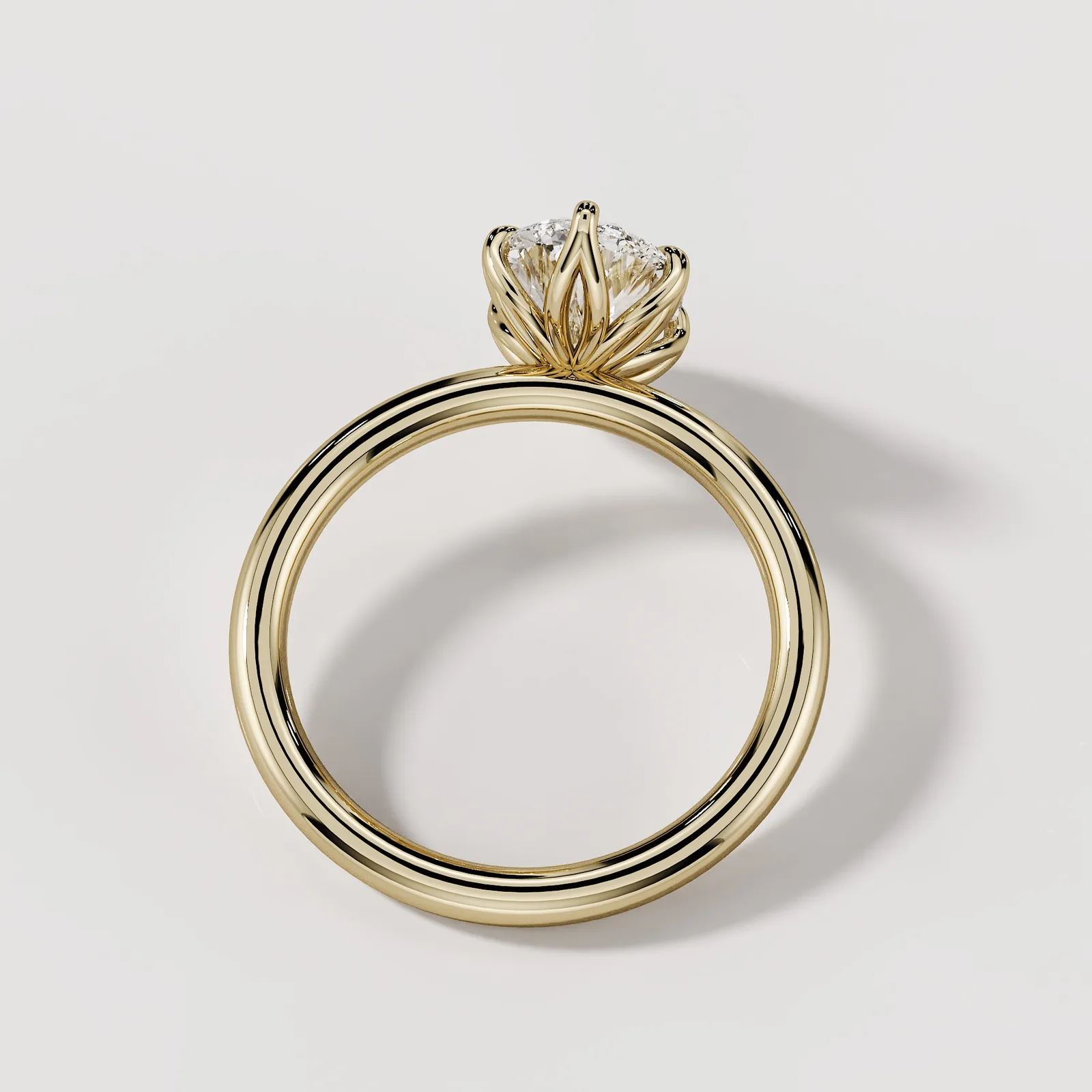
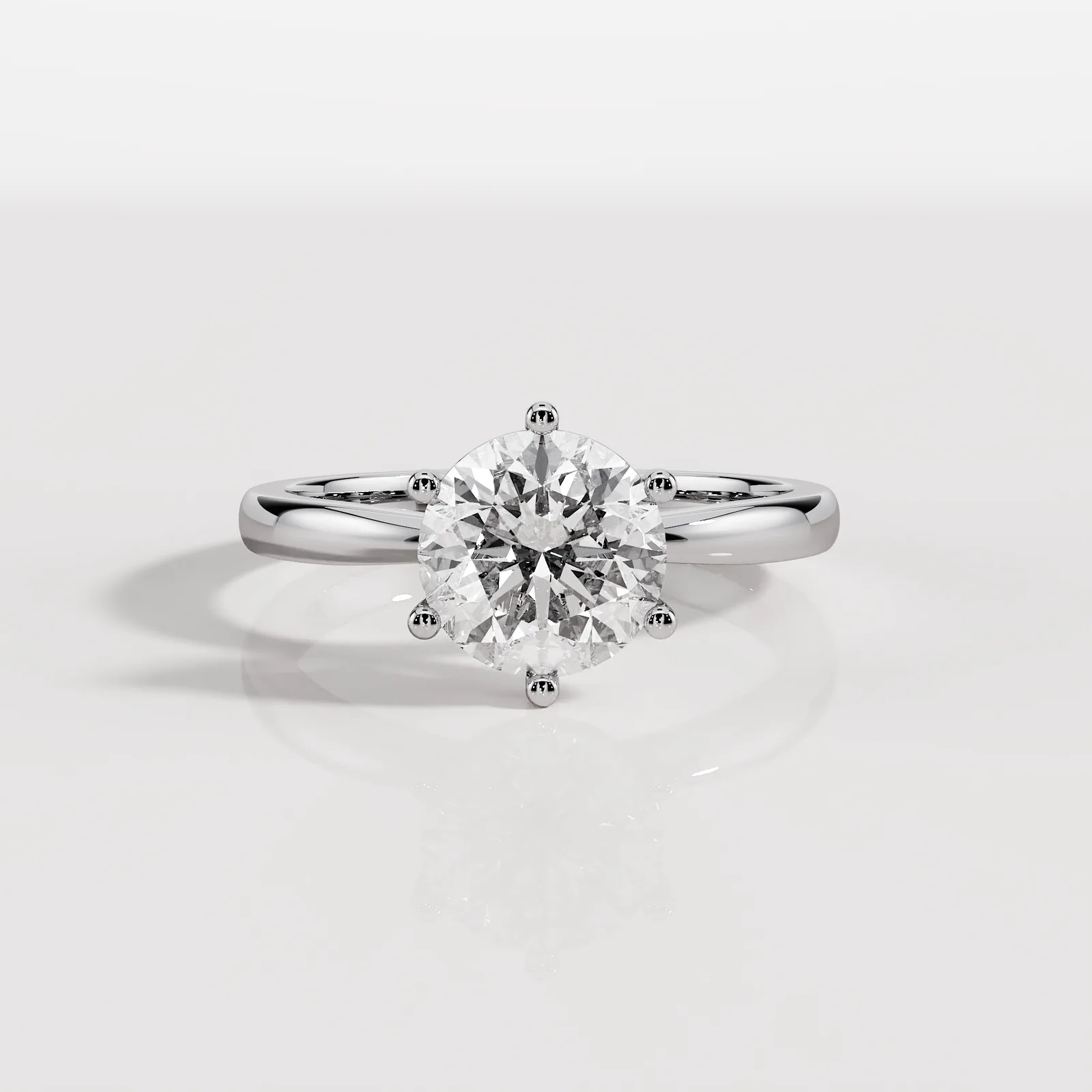
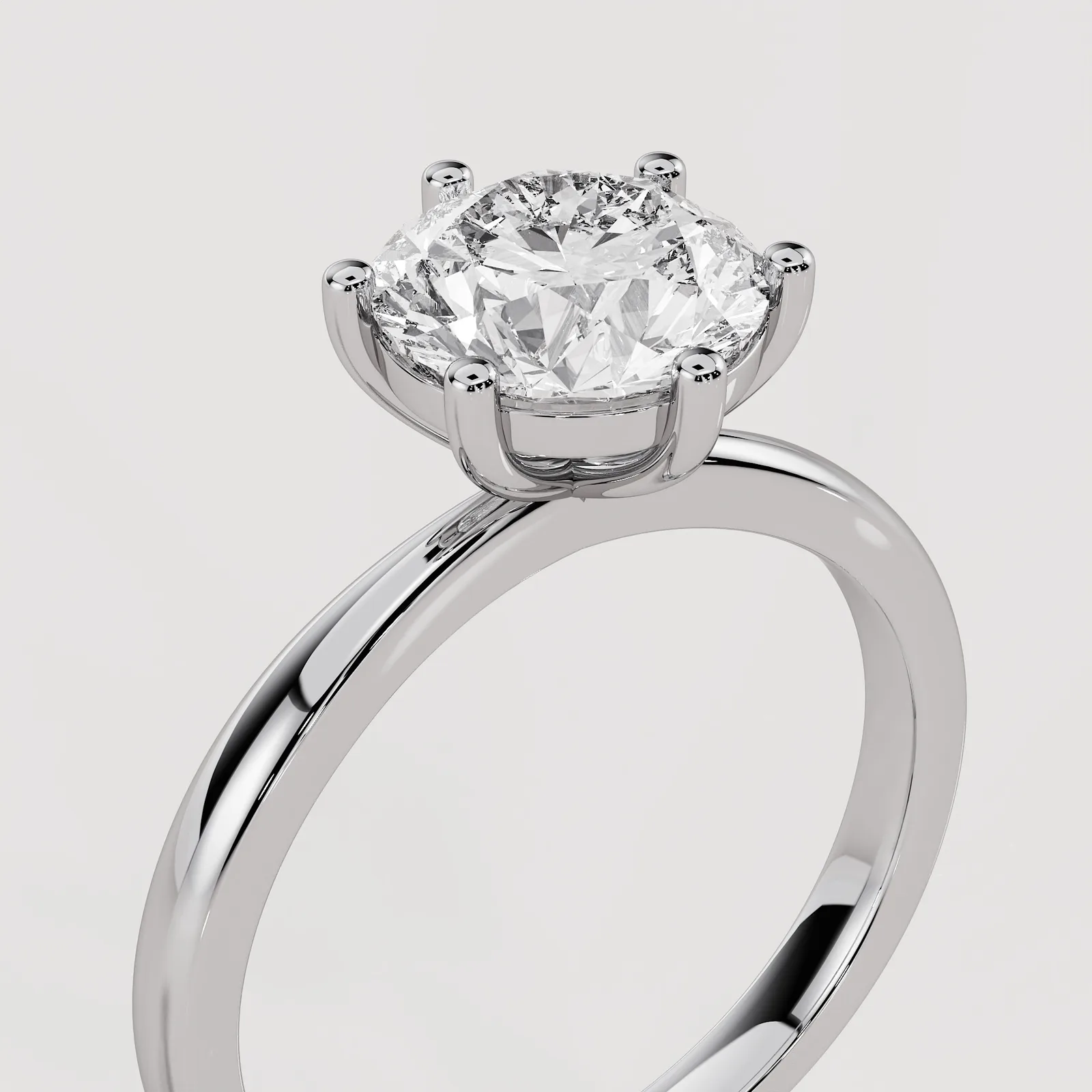
A small selection from our collection. Every setting, the tension setting included, is possible to measure with us, regardless of the starting model.
What a tension setting costs
Guide prices so you can get your bearings in advance. We always discuss the exact price in person.
Prices include VAT, as of 2026. Tension settings are usually made in platinum, which affects the base price.
Frequently asked questions
Honestly: properly calculated and made, a tension setting holds the stone reliably in normal everyday life. Security depends directly on the precision of the tension though, which is why we only build tension settings in suitable, robust metals and recommend a regular check at the atelier.
That's noticeably harder than with other settings, honestly sometimes only possible within limits. Any change in diameter alters the tension holding the stone, so the setting has to be recalculated and often reworked for a resize. We discuss that openly with you before purchase.
Platinum is particularly tough and holds its shape, keeping the required tension reliably over years better than softer alloys. At émin a particularly robust gold alloy is also possible, we advise you honestly on which is the better choice for your everyday life.
Anyone who works a lot and hard with their hands, does contact sport, or wants to change the ring size often is usually better served by a prong or bezel setting. A tension setting suits a fairly calm everyday life and a clear, modern taste best.
Little effort day to day: a soft cloth is usually enough, because the setting is smooth and offers barely any corners to collect dirt. What matters more is the check-up: have the tension checked with us every one to two years, especially if the ring has taken a hard knock.
A tension setting usually sits in the higher price range, because the calculation and manufacturing demand particular precision and platinum is often used. We calculate the exact price openly with you in person, depending on metal and stone size.
Quick enquiry
Interested in a tension setting?
Send us a short message about which stone you're picturing and what your everyday life looks like. We'll advise you honestly on whether a tension setting suits you.