
2026-09-03 · 4 min.
Platinum or white gold: what is the real difference?
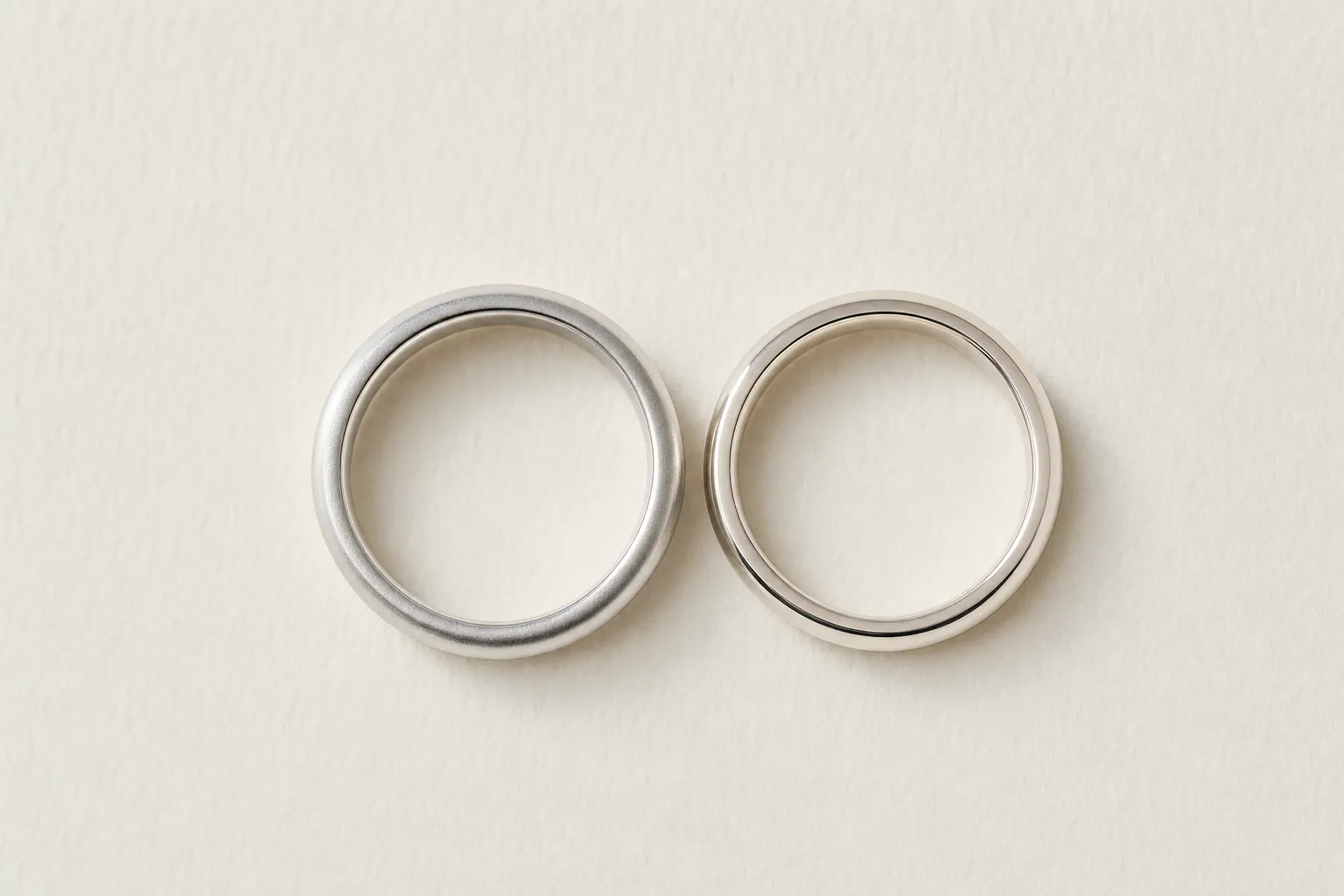
Platinum or white gold is one of the questions that comes up in almost every second conversation in our atelier, because at first glance the two metals look almost identical: bright, cool, elegant. The difference is not in how they look in the shop, but in how the two metals behave over the years. Here we explain what is really behind it, so you decide based on how the ring will still look in five or ten years, not just how it looks under the shop lights.
The main difference: the colour straight from the start
Platinum is a precious metal that is naturally white to slightly grey. It is not coated, the colour you see in the shop is the colour that stays, even after twenty years. White gold, on the other hand, is actually yellow gold alloyed with white metals like palladium to look brighter. After that it is almost always coated with a wafer-thin layer of rhodium, a metal from the platinum group that gives the bright white shine you know from the display case. It is this rhodium layer that wears off over time and lets the warm gold tone underneath shine through again. That is exactly the point where the two metals differ in everyday life.
Density and weight: platinum feels different
Platinum is noticeably denser than gold, a platinum ring of the same volume weighs noticeably more than the same ring in white gold. Many of our clients like exactly that weight, it feels more substantial and present on the finger. The higher density also has a practical effect: platinum wears differently than gold. Where gold actually loses tiny amounts of material when it knocks or rubs against things, platinum tends to shift rather than lose substance. Over decades this means a platinum ring keeps more of its original material at its core, while a white gold ring can become noticeably lighter over the years through polishing and abrasion.
Patina instead of scratches: how both metals age
One point that surprises many people: platinum develops a so-called patina with daily wear, a gently matte surface of tiny micro-scratches that many people find noble and alive. If you want the high shine back, the ring is polished, and hardly any material is lost, because polishing platinum moves it rather than removing it. White gold, by contrast, shows almost no patina at first, because the rhodium layer stays smooth until it simply wears through. After that the ring does not look nobly matte, it just looks more yellowish, and most people do not experience that as a beautiful ageing process but as a reason to get it recoated. We explain in detail how to care for white gold between recoatings in our article on rhodium plating for white gold.
- Platinum: naturally white, no coating needed, develops a warm patina, noticeably heavier.
- White gold: actually yellow gold with a rhodium layer, bright white from the start, needs recoating every one to three years, noticeably lighter.
- Both: skin-friendly in a good alloy, equally suitable for engagement and wedding rings, mainly differ in long-term behaviour.
What this means for allergies and sensitive skin
Pure platinum is usually 950 fine, so 95 percent platinum, and counts among the most skin-friendly precious metals of all, because hardly any other metals are in the alloy. Good-quality white gold, usually 18ct gold alloyed with palladium instead of nickel, is also well tolerated, but old or cheap nickel alloys can trigger reactions on sensitive skin. If you tend to react to jewellery, that is a conversation we always have in the atelier before choosing the alloy, not after.
And the price?
Platinum is rarer than gold and more demanding to work, so a ring in platinum costs noticeably more than the same ring in white gold, with the same design and the same stone. For many couples, white gold is therefore the deliberate choice for the budget, knowing that rhodium plating every few years comes with it. For others, platinum is the choice for life, because no recoating is needed and the weight on the finger simply feels different. Both are good decisions, it depends on your priorities. For a broader overview of all the metals we work with at émin, see our basics article on which metal suits you.
At an appointment in our atelier in Zurich district 4 or by video, we put platinum and white gold rings side by side so you can compare weight and tone on your own finger, instead of relying on a description. That way you decide what really fits your everyday life, not just your taste in the moment of trying it on.
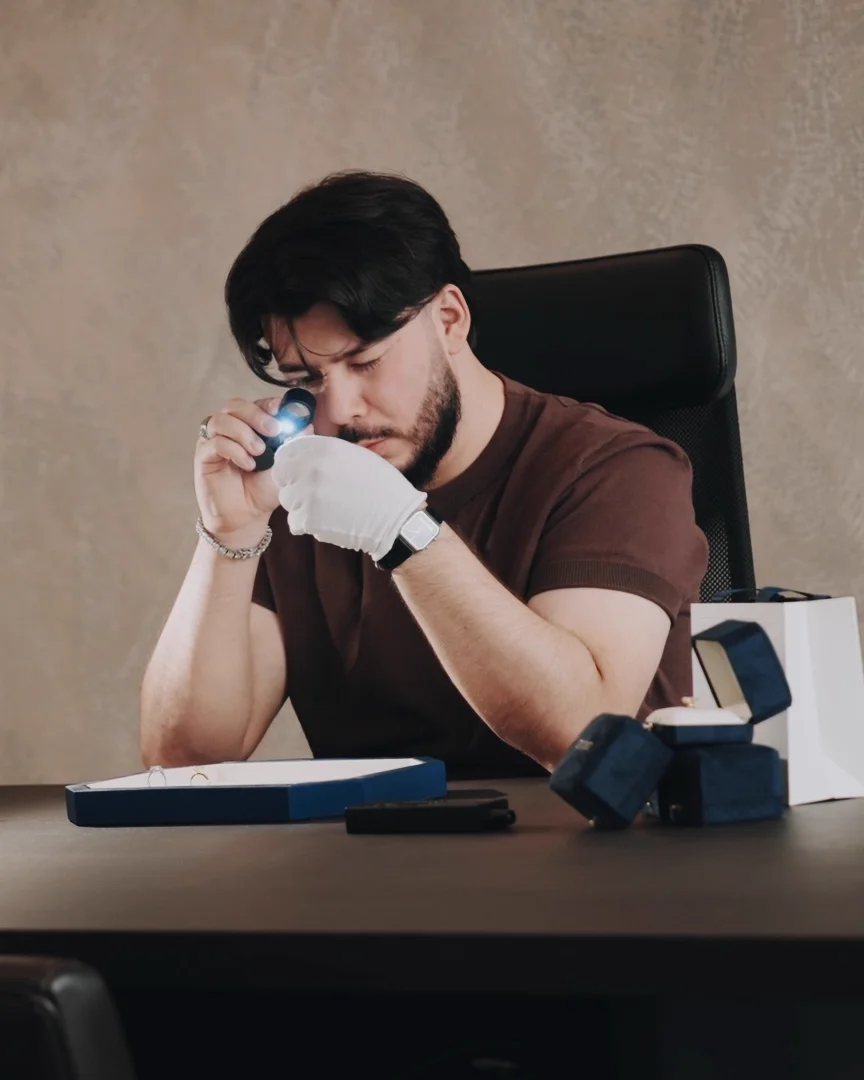
Founder of émin, jeweller in Zurich
Have questions about your ring? Talk to us directly.
Book an AppointmentQuick enquiry
Let's talk about your ring.
A free, no-obligation consultation at the atelier in Zurich or by video. Honest answers, no sales show.